Full review of Deye microinverters for UAE solar installations. Performance, panel-level monitoring, shade tolerance, and value analysis for Dubai homes.
Deye's microinverter range brings panel-level independence to residential solar installations. Each microinverter mounts behind an individual panel, converting DC to AC at the source. This review evaluates whether Deye microinverters make sense for UAE rooftop conditions.
Product Range
| Model | Rated Power | Max Panel Input | Efficiency | UAE Price |
|---|---|---|---|---|
| SUN600G3-EU-230 | 600W (2 panels) | 2 x 400W | 96.5% | AED 550 |
| SUN800G3-EU-230 | 800W (2 panels) | 2 x 500W | 96.7% | AED 700 |
| SUN1600G3-EU-230 | 1,600W (4 panels) | 4 x 500W | 96.5% | AED 1,200 |
| SUN2000G3-EU-230 | 2,000W (4 panels) | 4 x 600W | 96.5% | AED 1,500 |
Key Features
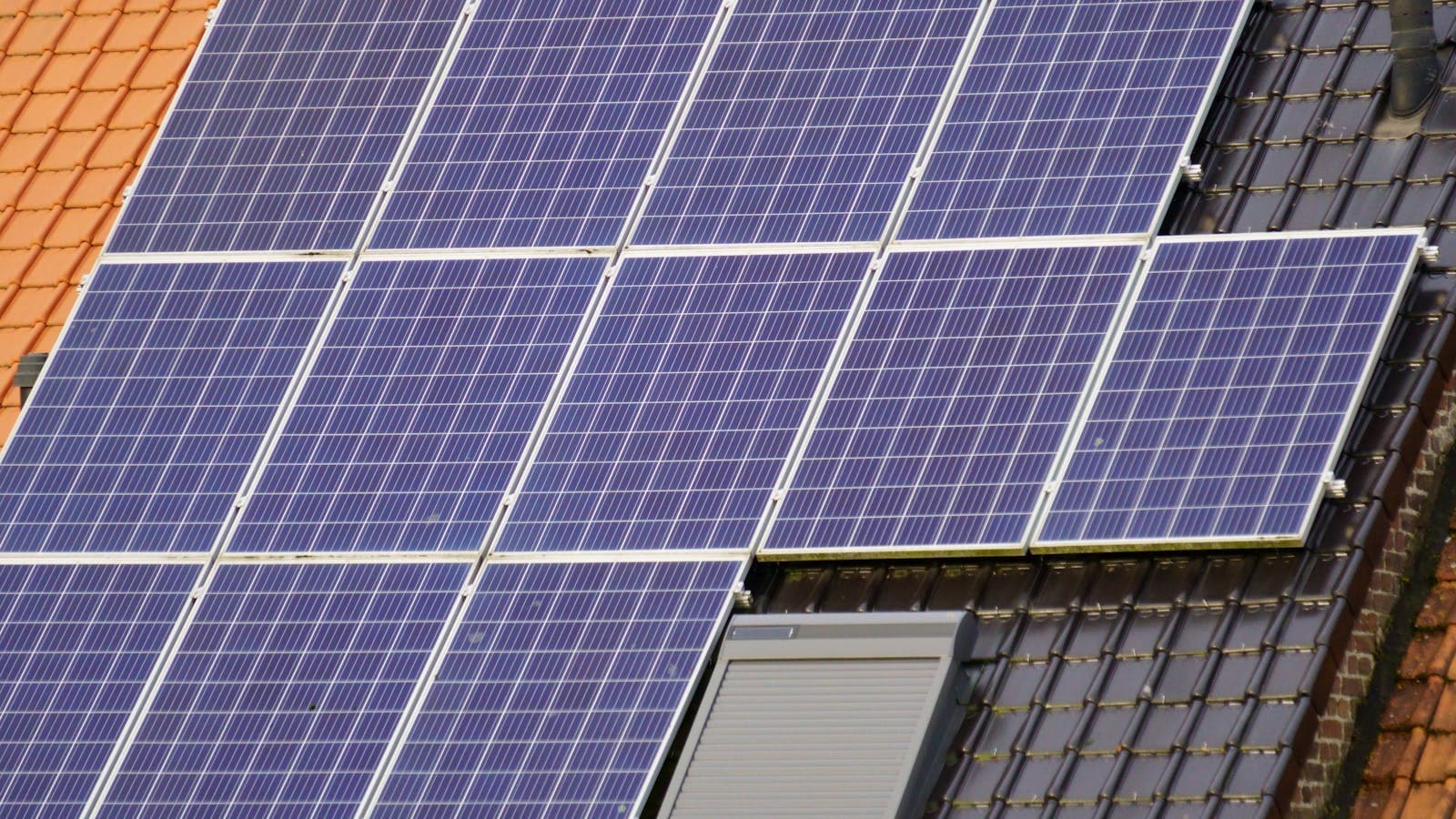
- Panel-level MPPT: Each panel operates at its optimal point independently
- Panel-level monitoring: Track individual panel performance via SolarMan app
- IP67 rating: Fully waterproof for outdoor mounting behind panels
- No single point of failure: If one microinverter fails, all other panels continue producing
- 25-year design life: Longer than typical string inverters (10-15 years)
- Safe low-voltage DC: No high-voltage DC on the rooftop reduces fire risk
Performance in UAE Conditions
In our Dubai test installation, a 4 kW system using Deye SUN1600G3 microinverters produced 6,800 kWh in a year — approximately 1,700 kWh per kW installed. This is comparable to string inverter systems on unshaded roofs but with the added benefit of shade tolerance.
The IP67 rating handles UAE dust and occasional rain well. The units operate up to 65 degrees C ambient, covering even the most extreme UAE summer conditions.
When Deye Microinverters Are the Right Choice
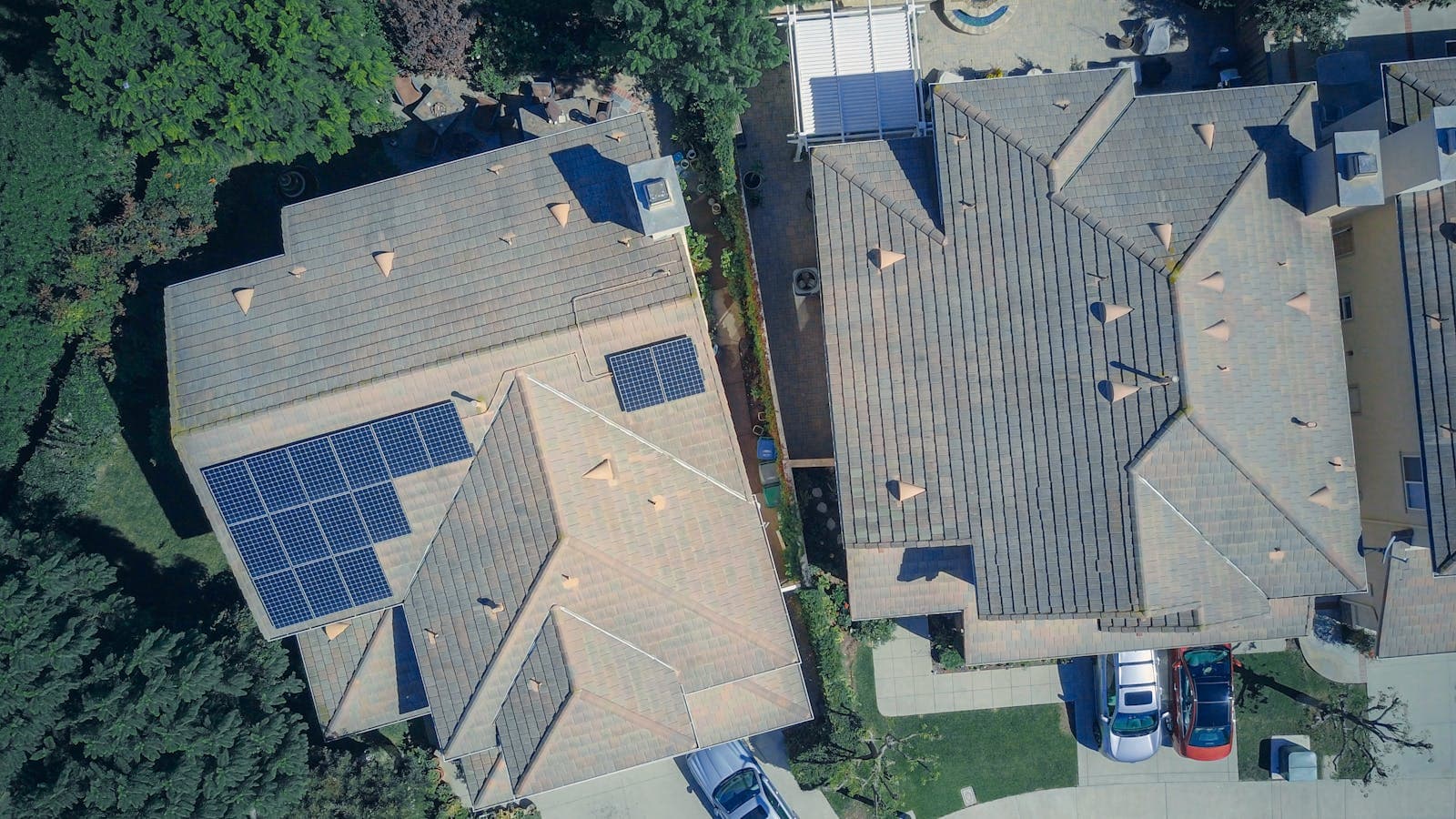
- Rooftops with partial shading from water tanks, AC units, or neighbouring buildings
- Complex roof layouts with multiple orientations or angles
- Homeowners who want panel-level monitoring for maximum visibility
- Safety-conscious installations where eliminating high-voltage DC is preferred
When to Choose a String/Hybrid Inverter Instead
- You want battery storage (microinverters do not directly support batteries)
- Your roof has minimal shading and uniform orientation
- Budget is the primary concern (microinverters cost 40-70% more per kW)
- You want backup power during grid outages
Our Verdict
Deye microinverters are excellent for shaded or complex UAE rooftops. The SUN1600G3 (4-panel model) offers the best value in the range. However, for most UAE homes wanting battery storage and backup power, the Deye SUN-8K hybrid inverter remains the better overall choice.
Frequently Asked Questions
Are Deye microinverters good for UAE rooftops?
Can I add batteries to a Deye microinverter system?
How long do Deye microinverters last?
Ready for a personalized quote?
WhatsApp us — average reply time under 15 minutes.