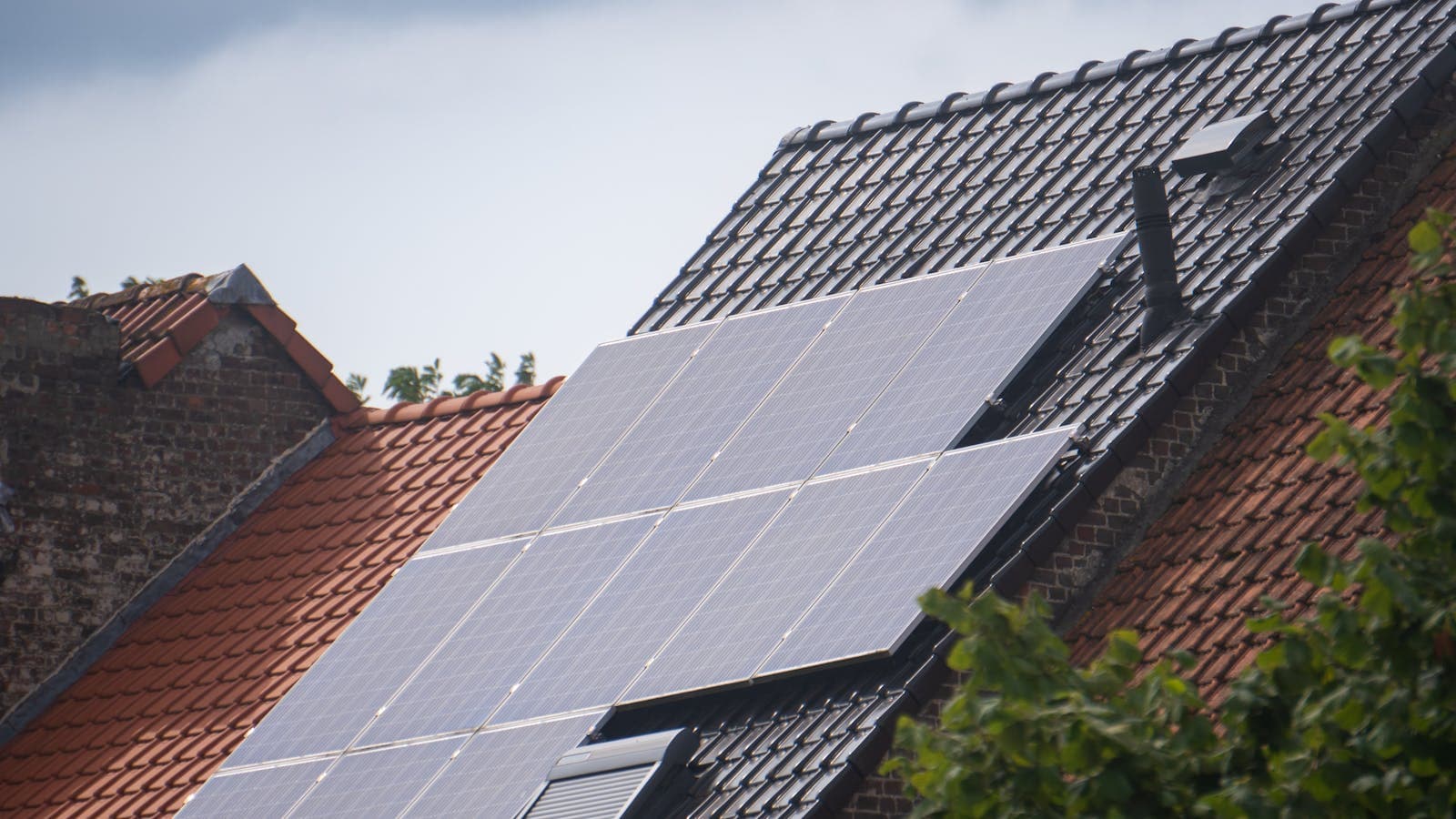
Microinverters vs string inverters: compare performance, cost, shading tolerance, and monitoring. Learn which inverter type is best for UAE solar installations.
The choice between microinverters and string inverters affects your system's performance, cost, and monitoring capabilities. Both technologies have matured significantly, and the right choice depends on your roof layout, shading conditions, and budget.
How String Inverters Work
A string inverter is a single centralised unit that converts DC power from an entire string of solar panels into AC power. All panels in a string are connected in series, and the inverter handles the MPPT (Maximum Power Point Tracking) for the entire string.
Deye offers string and hybrid inverters from 3 kW to 50 kW, making them suitable for residential and commercial installations across the UAE.
How Microinverters Work
A microinverter is a small inverter mounted directly behind each solar panel. Each panel operates independently with its own MPPT, converting DC to AC at the panel level. Deye's microinverter range includes 600W to 2000W models for residential use.
Head-to-Head Comparison
| Feature | String Inverter | Microinverter |
|---|---|---|
| Cost per kW | AED 500-700 | AED 800-1,200 |
| Efficiency | 97-98% | 96-97% |
| Shade Tolerance | Poor (entire string affected) | Excellent (panel-level independence) |
| Monitoring | System level | Panel level |
| Maintenance | Single point of failure | Distributed — one unit failure does not affect others |
| Lifespan | 10-15 years | 20-25 years |
| Expansion | Limited by inverter capacity | Add one panel at a time |
| Battery Support | Yes (hybrid models) | Requires separate AC-coupled battery |
When to Choose String Inverters
- Unshaded roofs: If your roof has no shading from trees, buildings, or AC units, string inverters deliver maximum efficiency at lower cost
- Battery storage needed: Hybrid string inverters like the Deye SUN-8K integrate battery storage directly, which microinverters cannot do
- Budget priority: String inverters cost 30-40% less per installed kW
- Large commercial systems: Three-phase string inverters handle large arrays more efficiently
When to Choose Microinverters
- Partial shading: If trees, neighbouring buildings, or rooftop equipment shade parts of your roof at different times of day
- Complex roof layouts: Multiple orientations, slopes, or small roof sections benefit from panel-level independence
- Panel-level monitoring: Track each panel's output individually to identify problems quickly
- Gradual expansion: Add panels one at a time as budget allows
Performance in UAE Conditions
In the UAE's clear-sky conditions with minimal shading, string inverters typically outperform microinverters on a cost-per-kWh basis. However, for villas with water tanks, satellite dishes, or air conditioning units creating partial shade, microinverters can recover 10-25% of otherwise lost production.
Our Recommendation
For most UAE residential installations, a Deye hybrid string inverter offers the best combination of efficiency, battery support, and value. Choose Deye microinverters only if you have significant shading issues or a complex multi-orientation roof layout.
Frequently Asked Questions
Are microinverters better than string inverters?
Can I add batteries to a microinverter system?
How much more do microinverters cost than string inverters?
Ready for a personalized quote?
WhatsApp us — average reply time under 15 minutes.