 Guides
1 min read
Solar power for the house: what a home actually needs
A solar home starts with the loads, not the panels. How much inverter and how much battery, and how to work it out before you pay.
Read article
Deep, decision-grade guides for choosing solar gear.
Buying solar equipment is a five-figure decision: the wrong inverter or panel can cost you years of returns. These guides walk through the trade-offs that actually matter — temperature coefficients in the Gulf heat, battery chemistry vs. cycle life, hybrid vs. string inverter topologies, sizing rules of thumb that survive contact with a 70 °C rooftop. Every guide is written for installers and serious homeowners, with worked examples in AED, real model comparisons, and the trade-offs vendors won't put in their datasheets. Browse the full set below or jump to a specific question.
GuidesA solar home starts with the loads, not the panels. How much inverter and how much battery, and how to work it out before you pay.
 Guides
A solar fridge is usually not a special fridge — it is an ordinary one on a correctly sized inverter and battery. Inverter-compressor fridges make it easier.
 Guides
Run a submersible or surface pump from a Deye hybrid inverter instead of a separate pump controller — provided you size on starting current, not the nameplate.
 Guides
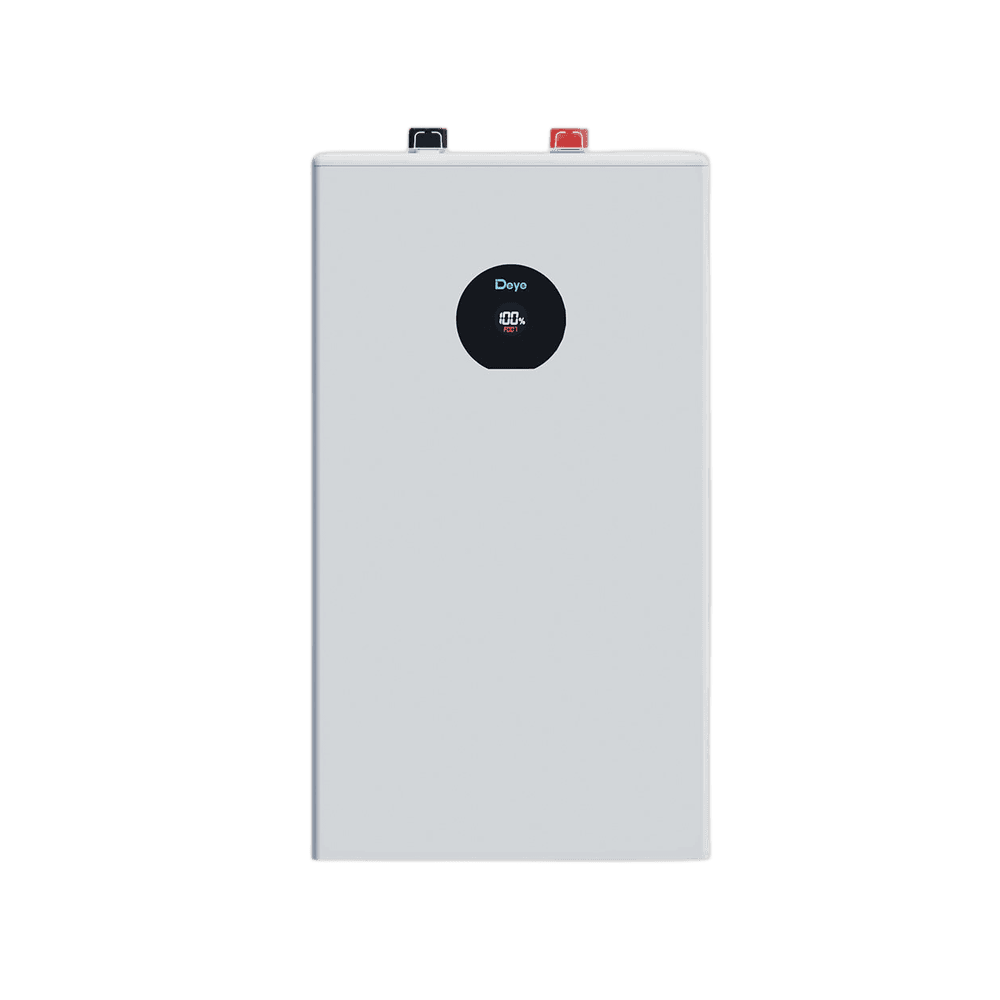
A 12 V lithium battery, a LiPo pack, an 18650 cell and a car battery are not the same thing. What separates them, and which belongs in a solar system.
 Guides
Every capacity the Deye battery records state: 20, 39, 40, 100, 120, 200, 208, 235, 280 and 314 Ah, 1.28 to 4340 kWh — and how your own figure gets built.
 Guides
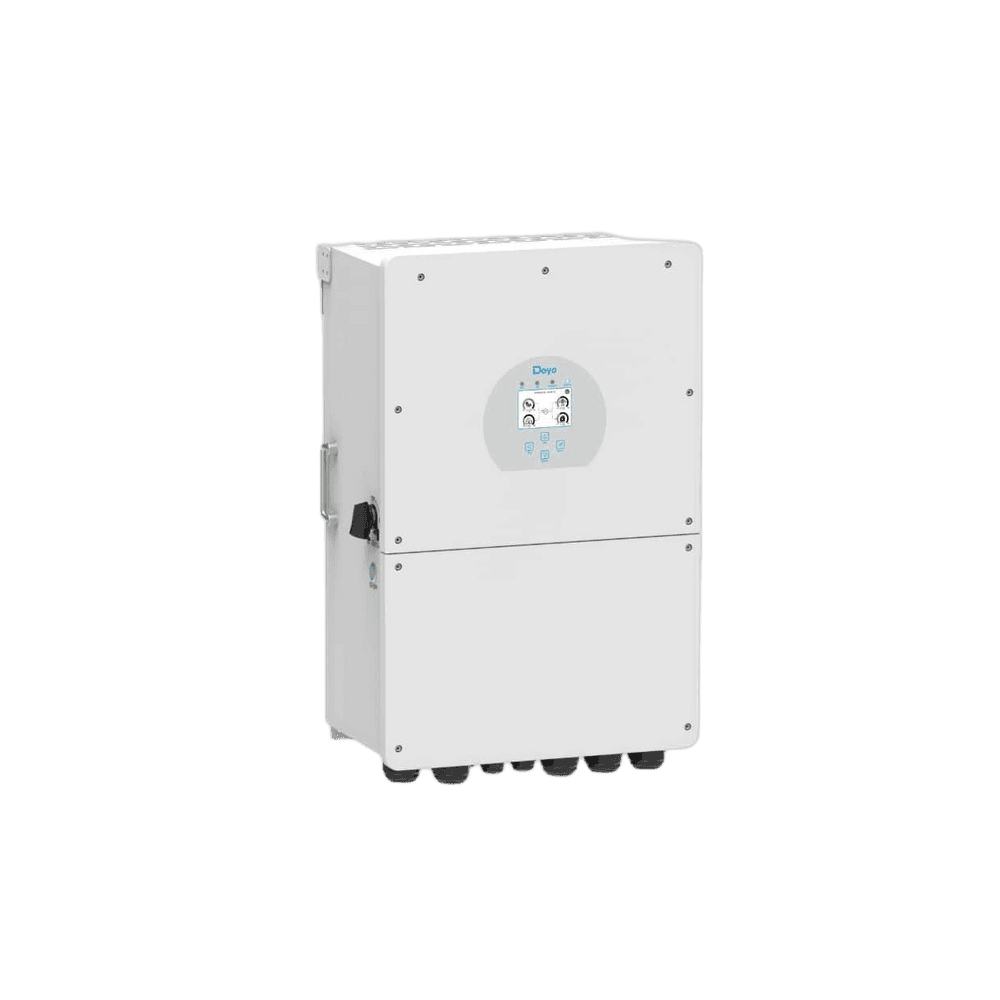
We list 134 solar inverters, each with a published spec record, from 300 W to 136 kW. Five rows separate them: phase, battery, efficiency, derating and noise.