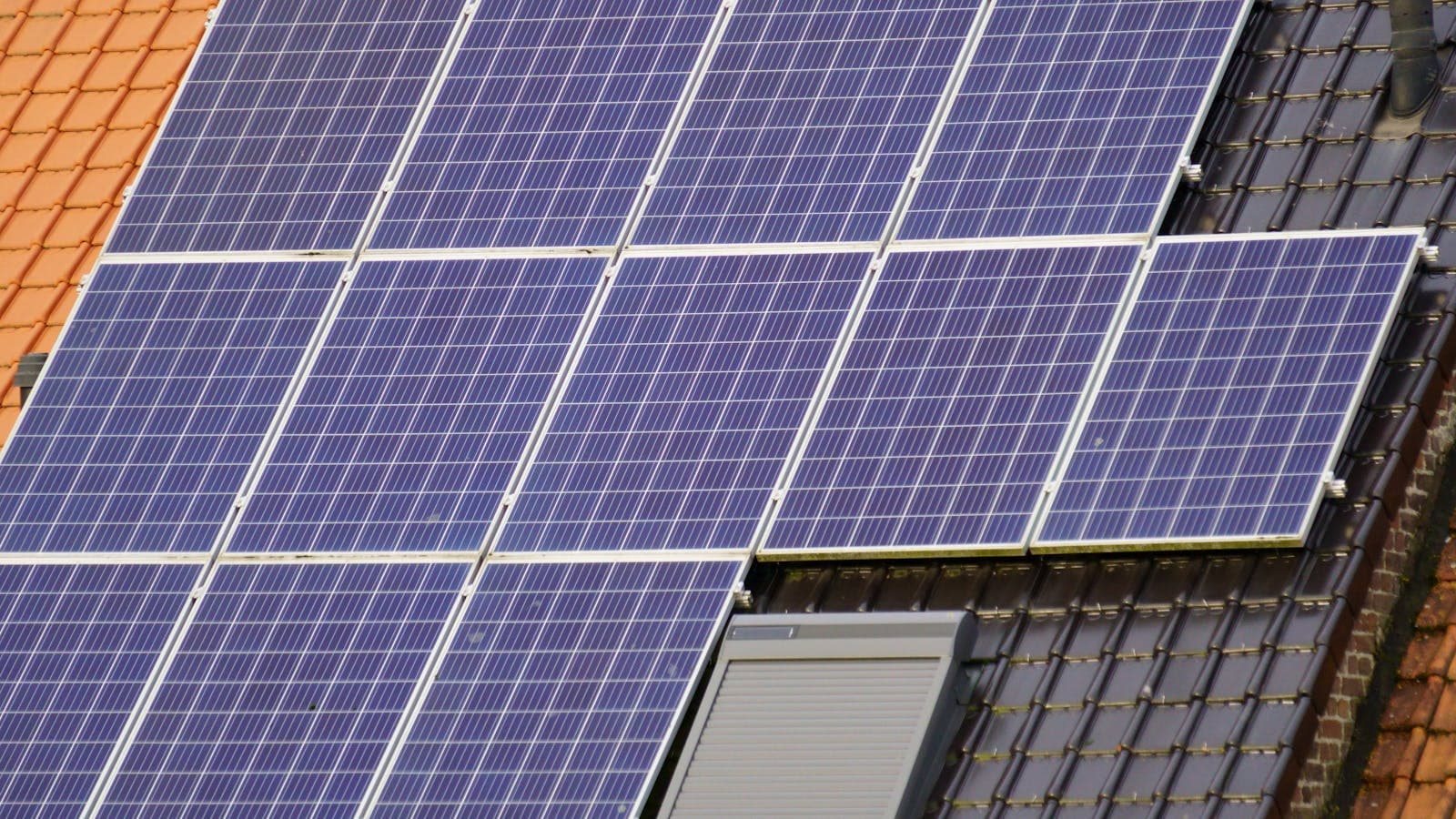
How many solar panels do you need? Learn to calculate the right system size for UAE, Saudi Arabia, Qatar, Jordan, and Egypt based on your consumption and energy goals.
How many solar panels do you need for your UAE home? This comprehensive guide helps you calculate the perfect solar system size based on your energy consumption, available roof space, and the unique climate conditions of the Gulf region.
Understanding Your Energy Consumption
The first step in sizing a solar system is knowing how much electricity you use. In the UAE, the average villa consumes 1,500-3,000 kWh per month, with air conditioning accounting for 60-70% of that usage during summer months.
How to Find Your Consumption
- Check your DEWA bill for average monthly consumption (kWh)
- Note seasonal variations - summer bills are typically 2-3x higher than winter
- Consider future changes (new AC units, electric vehicle charging)
- Calculate daily average by dividing monthly consumption by 30
Typical Consumption by Property Type
- Studio/1BR Apartment: 500-1,000 kWh/month
- 2-3BR Apartment: 1,000-1,500 kWh/month
- 3BR Villa: 1,500-2,500 kWh/month
- 5BR Villa: 2,500-4,000 kWh/month
- Large Villa with Pool: 4,000-8,000 kWh/month
Solar Production in the UAE
The UAE enjoys excellent solar conditions with an average of 5.5-6.5 peak sun hours daily. This makes solar highly effective compared to less sunny regions.
Key Solar Factors for the Gulf
- Peak Sun Hours: 5.5-6.5 hours average (Dubai)
- Annual Irradiance: 2,100-2,400 kWh/m² per year
- Heat Derating: Summer temperatures reduce panel efficiency by 10-15%
- Dust Impact: Regular cleaning needed; 5-10% loss if not maintained
Calculating Your System Size
Use this formula to estimate your required solar capacity:
System Size (kW) = Daily Consumption (kWh) ÷ Peak Sun Hours ÷ System Efficiency
Example Calculation
For a villa using 2,000 kWh/month:
- Daily consumption: 2,000 ÷ 30 = 67 kWh/day
- Peak sun hours: 6 hours (UAE average)
- System efficiency: 0.8 (accounting for losses)
- System size: 67 ÷ 6 ÷ 0.8 = 14 kW system
Number of Panels Needed
Using standard 550W panels:
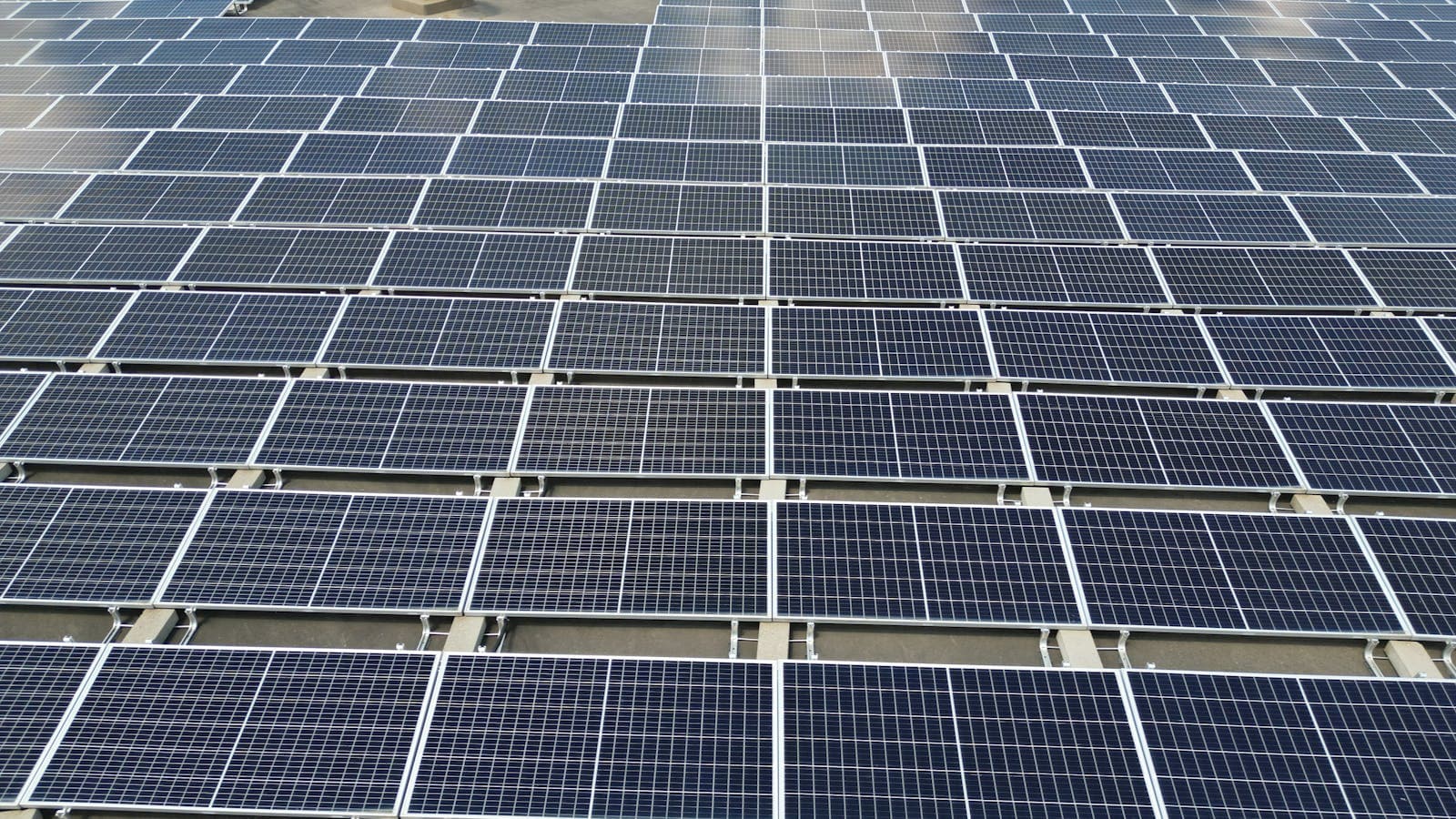
- 14,000W ÷ 550W = 26 panels approximately
- Roof space needed: About 52 m² (2 m² per panel)
Roof Space Considerations
Before finalizing your system size, verify your roof can accommodate the panels:
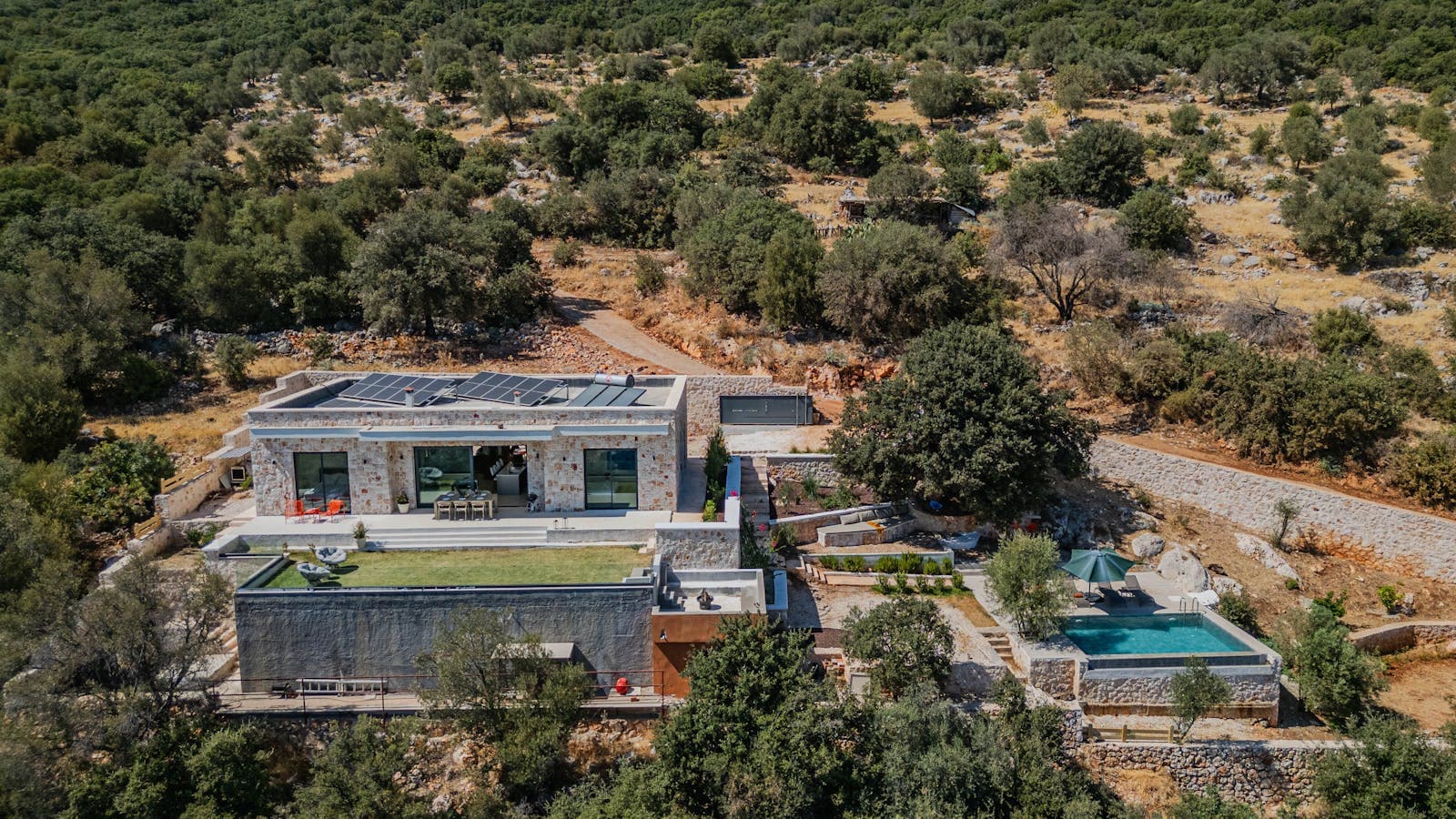
- Flat Roof (most UAE buildings): Need 30% more space for optimal tilt mounting
- Shading: Avoid areas shaded by water tanks, AC units, or neighboring buildings
- Orientation: South-facing is optimal; east-west still works well
- Access: Leave space for maintenance access around panels
Grid-Tied vs. Off-Grid Sizing
Your sizing approach differs based on system type:
Grid-Tied Systems (Most Common in UAE)
Connected to DEWA grid. Excess power earns credits. Size to cover 80-100% of consumption. No battery storage needed unless backup is desired.
Hybrid Systems with Battery
Add storage for backup power during outages. Battery size depends on backup duration needed. DEYE hybrid inverters support both grid-tied and backup modes.
Inverter Sizing
The inverter should match your solar array. Key considerations:
- Residential (up to 10kW): Single-phase inverters like DEYE SUN-5K-SG04LP3
- Large Residential (10-20kW): Three-phase inverters required
- Commercial: DEYE string inverters up to 136kW
Net Metering Programs by Region
UAE (DEWA - Shams Dubai)
UAE residents can benefit from DEWA's Shams Dubai initiative:
- Excess solar energy exported to the grid
- Credits received for exported energy
- No maximum system size for residential
- Professional installation required for grid connection
Saudi Arabia (SEC)
The Saudi Electricity Company (SEC) offers net metering in major cities:
- Peak Sun Hours: 6-7 hours (Riyadh, Jeddah)
- SEC regulations under ECRA (Electricity & Cogeneration Regulatory Authority)
- SASO certification required for equipment
- Growing residential market with Vision 2030 incentives
- Typical payback period: 5-8 years
Qatar (Kahramaa)
Qatar has excellent solar conditions managed by Kahramaa:
- Peak Sun Hours: 6-6.5 hours (Doha)
- Tarsheed initiative promotes energy efficiency
- Premium electricity rates make solar attractive
- Ideal for villa installations
Jordan (EMRC)
Jordan has one of the highest solar adoption rates in the region:
- Peak Sun Hours: 5.5-6.5 hours (Amman)
- EMRC (Energy and Minerals Regulatory Commission) oversight
- Net metering widely available
- High electricity costs drive excellent ROI
- Typical payback period: 4-6 years (among fastest in region)
Egypt (NREA)
Egypt's solar potential is exceptional with NREA support:
- Peak Sun Hours: 6-7 hours (Cairo, Aswan up to 8 hours)
- NREA (New and Renewable Energy Authority) approved
- Feed-in tariff programs available
- Excellent irradiance in Upper Egypt
- Growing commercial and residential markets
Regional Consumption Comparison
| Region | Average Villa (kWh/month) | Peak Sun Hours | Recommended System |
|---|---|---|---|
| UAE (Dubai) | 2,000-3,000 | 6 | 12-18 kW |
| Saudi Arabia (Riyadh) | 2,500-4,000 | 6.5 | 15-22 kW |
| Qatar (Doha) | 2,000-3,000 | 6 | 12-18 kW |
| Jordan (Amman) | 800-1,500 | 5.5 | 6-12 kW |
| Egypt (Cairo) | 600-1,200 | 6 | 5-10 kW |
Our Recommendation
For homes across the Middle East and Gulf region, we recommend sizing your system to cover 80-100% of annual consumption. This maximizes savings while ensuring a reasonable payback period of 4-8 years depending on your location. Contact our team for a free site assessment and customized system design for your region.
Frequently Asked Questions
How many solar panels do I need for a villa in Dubai?
What size solar system do I need for my home in Saudi Arabia?
How much roof space do I need for solar panels?
Which country in the Middle East has the best solar conditions?
Is solar worth it in the Gulf region?
Ready for a personalized quote?
WhatsApp us — average reply time under 15 minutes.