On-grid, off-grid, or hybrid solar? Understand the differences, costs, and best use cases for each solar system type in the UAE and Middle East.
Every solar installation falls into one of three categories: on-grid, off-grid, or hybrid. Each serves different needs, and understanding the differences is the first step toward designing a system that works for your home or business in the UAE.
On-Grid Solar Systems
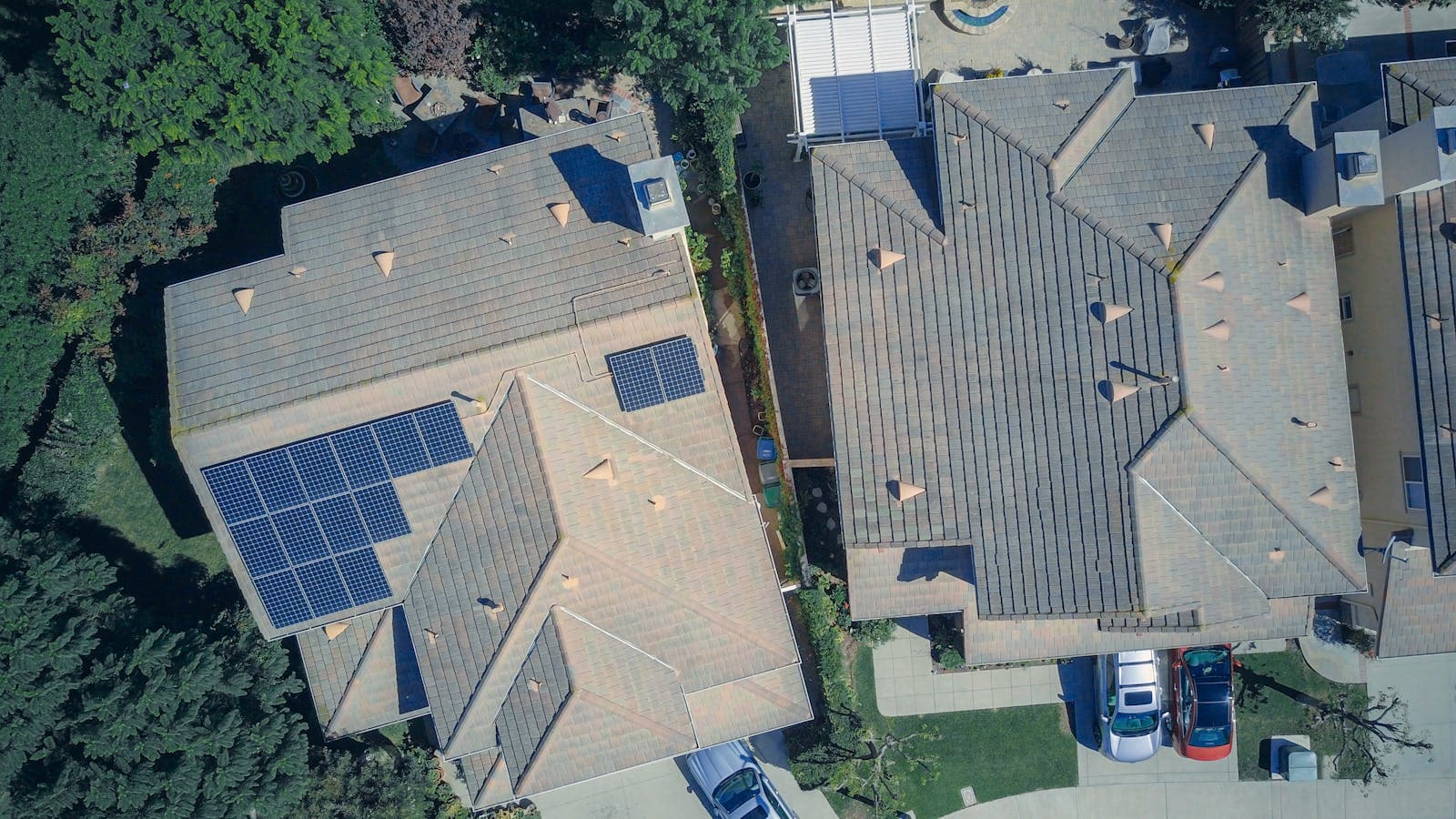
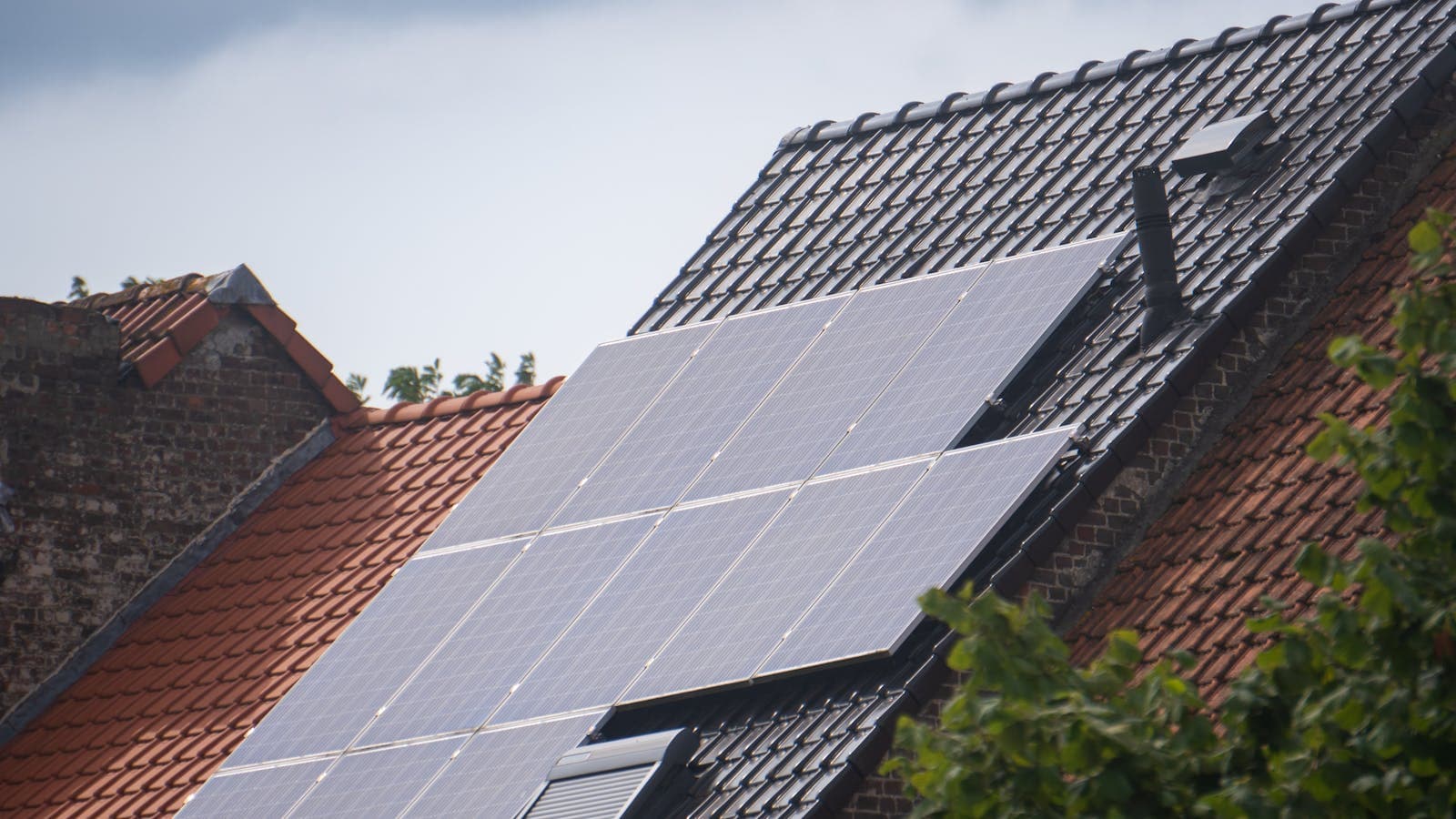
An on-grid (grid-tied) system connects your solar panels directly to the utility grid through a string inverter. There are no batteries — excess solar energy is exported to the grid, and you draw from the grid when solar production is insufficient.
How It Works
- Solar panels generate DC electricity during daylight hours
- A string inverter converts DC to AC power
- Your home uses solar power first, reducing grid consumption
- Excess power flows to the grid (net metering with DEWA)
- At night, you draw power from the grid as normal
Pros
- Lowest upfront cost — no batteries needed
- Simplest installation and maintenance
- DEWA net metering credits offset your electricity bill
- Best ROI for grid-connected properties
Cons
- No power during grid outages (safety requirement)
- Cannot store energy for later use
- Dependent on utility grid availability
Best for: Dubai and Abu Dhabi homes with reliable grid supply who want to reduce electricity bills through DEWA's Shams Dubai net metering programme.
Off-Grid Solar Systems
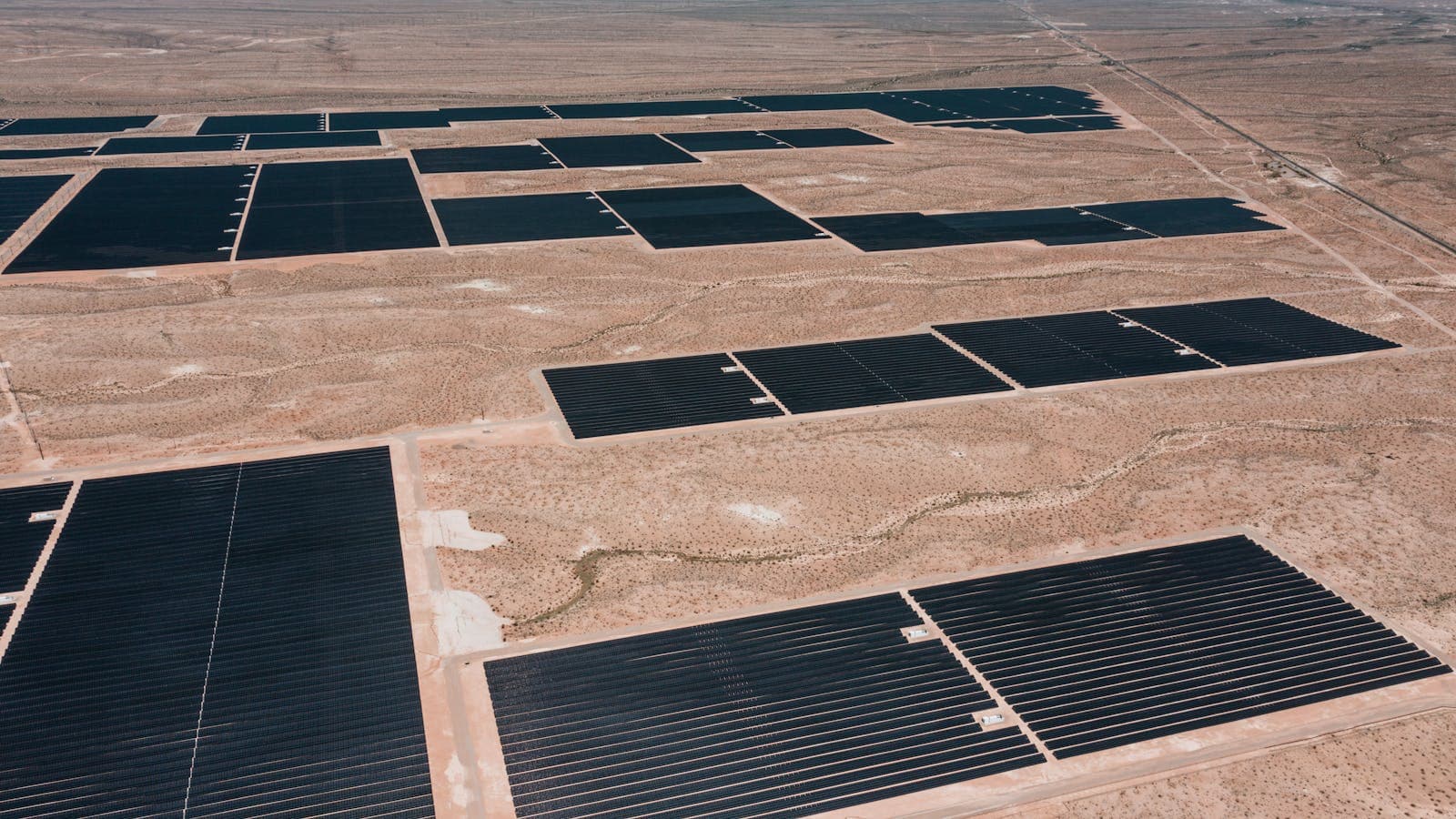
An off-grid system operates completely independently from the utility grid. It requires solar panels, a charge controller, battery bank, and an off-grid inverter. All energy must be generated and stored on-site.
How It Works
- Solar panels charge the battery bank during the day
- A charge controller manages battery charging safely
- An off-grid inverter converts stored DC power to AC
- You use battery-stored energy 24/7
- A backup generator covers extended cloudy periods
Pros
- Complete energy independence
- Works in remote locations without grid access
- No utility bills
Cons
- Highest upfront cost due to large battery banks
- Requires careful energy management
- Battery replacement adds ongoing costs
- Must oversize system for cloudy days
Best for: Desert farms, remote construction sites, or properties far from the utility grid. Also popular for desert camps and marine applications in the UAE.
Hybrid Solar Systems
A hybrid system combines the best of both worlds. It connects to the grid and includes battery storage. A hybrid inverter manages power flow between solar panels, batteries, grid, and your loads simultaneously.
How It Works
- Solar panels power your home and charge batteries during the day
- Excess solar energy is stored in batteries first, then exported to grid
- Batteries provide power during peak hours or grid outages
- Grid supplements power when solar and battery are insufficient
- Time-of-use programming optimises when to use battery vs grid power
Pros
- Backup power during grid outages (unlike on-grid)
- Time-of-use optimisation reduces peak-hour grid costs
- Battery storage maximises self-consumption
- Grid connection provides safety net (unlike off-grid)
- Most flexible — can operate in grid-tied or off-grid mode
Cons
- Higher cost than on-grid (due to batteries and hybrid inverter)
- More complex installation
- Battery maintenance and eventual replacement
Best for: Most UAE homeowners who want solar savings, backup power, and energy independence. This is the most popular choice for new installations in 2026.
Cost Comparison for UAE Homes
| System Type | 8 kW System Cost | Includes | Monthly Savings |
|---|---|---|---|
| On-Grid | AED 12,000-16,000 | Panels + string inverter | AED 400-600 |
| Off-Grid | AED 35,000-50,000 | Panels + batteries + off-grid inverter | Full bill eliminated |
| Hybrid | AED 18,000-28,000 | Panels + batteries + hybrid inverter | AED 500-800 |
Our Recommendation
For most UAE homes in 2026, a hybrid solar system with a Deye hybrid inverter and LiFePO4 battery provides the best balance of cost, savings, and protection. You get the grid savings of an on-grid system with the backup protection of off-grid, at a moderate price premium.
Frequently Asked Questions
What is the difference between on-grid, off-grid, and hybrid solar?
Which solar system type is best for Dubai homes?
Can I upgrade from on-grid to hybrid later?
Ready for a personalized quote?
WhatsApp us — average reply time under 15 minutes.