Step-by-step guide to designing and installing a complete off-grid solar system. Component sizing, battery banks, and system design for the Middle East.
What solar energy is, and where it comes from
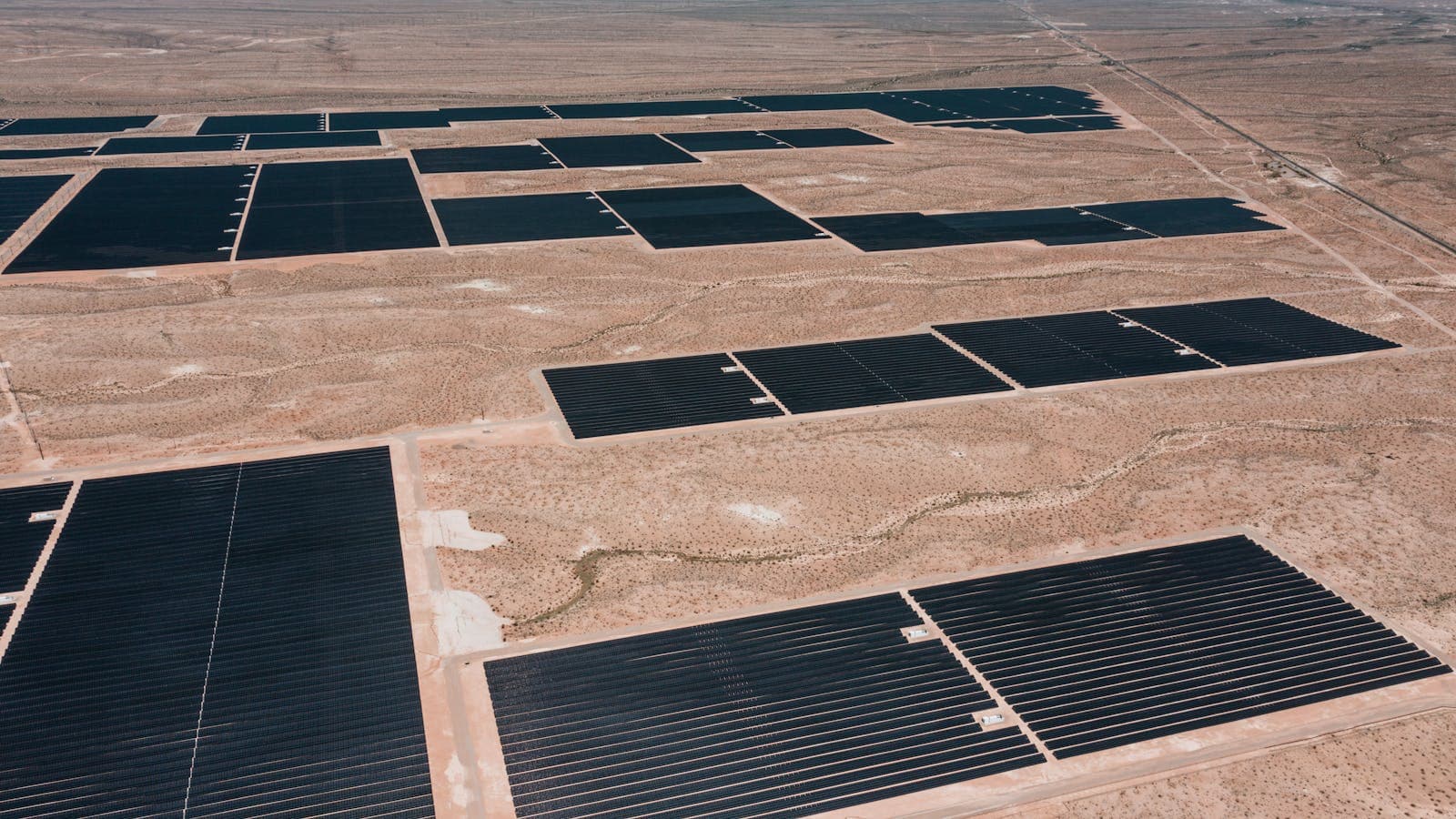
Solar energy is the energy captured from sunlight and turned into electricity or heat. The direct conversion to electricity is called photovoltaic, which is what the panels in this guide do. Its source is one star, but three kinds of radiation reach the panel — direct, diffuse light through cloud, and light reflected off the ground — which is why a panel on an overcast day makes less power rather than none.
An off-grid solar system provides complete energy independence, generating and storing all the electricity you need without any connection to the utility grid. Whether you are powering a remote farm, a desert camp, or a villa without reliable grid power, getting the design right is critical.
When Off-Grid Makes Sense
- No grid access or prohibitively expensive connection
- Unreliable grid with frequent outages
- Temporary installations (construction, events)
- Complete energy independence desired
System Components
- Solar panels: Generate DC electricity
- Inverter with charge controller: Manages solar input and converts DC to AC
- Battery bank: Stores energy for night and cloudy days
- Distribution panel: Distributes power to circuits
- Backup generator (optional): Emergency power during extended cloud cover
Step 1: Calculate Daily Energy Needs
| Appliance | Watts | Hours/Day | Daily Wh |
|---|---|---|---|
| LED lights (10x) | 100 | 6 | 600 |
| Refrigerator | 150 | 12 | 1,800 |
| Air conditioner (inverter) | 1,200 | 8 | 9,600 |
| TV and electronics | 200 | 5 | 1,000 |
| Water pump | 750 | 2 | 1,500 |
| Total | 15,000 Wh (15 kWh) |
Add 20% safety margin: 18 kWh daily requirement.
Step 2: Size the Solar Array
18,000 Wh / (5.5 hours x 0.85 efficiency) = 3,850 Wp. With 20% margin: 5 kWp (9-10 panels of 550W).
Step 3: Size the Battery Bank
18 kWh x 2 days autonomy / 0.80 DoD = 45 kWh. This equals 9 units of Deye BOS-G5.1 in parallel (46.1 kWh).
Step 4: Select the Inverter
The Deye SUN-8K offers 8 kW continuous, 16 kW surge, dual MPPT inputs supporting 12 kWp of solar. It operates fully off-grid while supporting future grid connection.
Step 5: System Design
- Configure panels in series-parallel matching inverter MPPT range
- Connect BOS-G batteries in parallel via CAN bus
- Install standard distribution panel with circuit breakers
- Proper earth rod and grounding system for safety
- Connect backup generator to inverter AC input if needed
Off-Grid Tips for the Middle East
- Oversize solar array 20-30% for dust and heat derating
- Install batteries in the coolest location available
- Include a backup generator for extended cloudy periods
- Use energy-efficient appliances throughout
- Programme inverter to prioritise solar charging in morning
- Install a water tank with solar pump to decouple water from real-time power
Frequently Asked Questions
How much battery storage for off-grid?
Can Deye inverters work fully off-grid?
How many panels for an off-grid home?
Ready for a personalized quote?
WhatsApp us — average reply time under 15 minutes.