Choosing the best solar inverter in Saudi Arabia in 2026? Compare Deye, Sungrow, Huawei & SMA on heat tolerance, SEC compliance, price & warranty. Free quote on WhatsApp.
If you're searching for the best solar inverter in Saudi Arabia in 2026, you're stepping into the fastest-growing residential energy market in the Gulf. With Vision 2030 targeting 40 GW of installed solar by the end of the decade and over 80% of new rooftop systems now installed with battery storage, the inverter you choose will define your system's payback, reliability, and long-term value.
This guide is built for Saudi homeowners, commercial buyers, and EPC installers. We compare the brands that actually ship and service in the Kingdom — Deye, Huawei FusionSolar, Sungrow, SMA, GoodWe, and Solis — across the criteria that matter in a 50 °C summer: heat tolerance, SEC net-metering compliance, AC-load handling, after-sales support in Riyadh, Jeddah and Dammam, and total cost of ownership.
📞 Need a Saudi-ready inverter today? WhatsApp us on +971 4 255 0887 for a free sizing consultation. Average reply time: under 15 minutes during Gulf business hours.
In a hurry? The 30-second answer
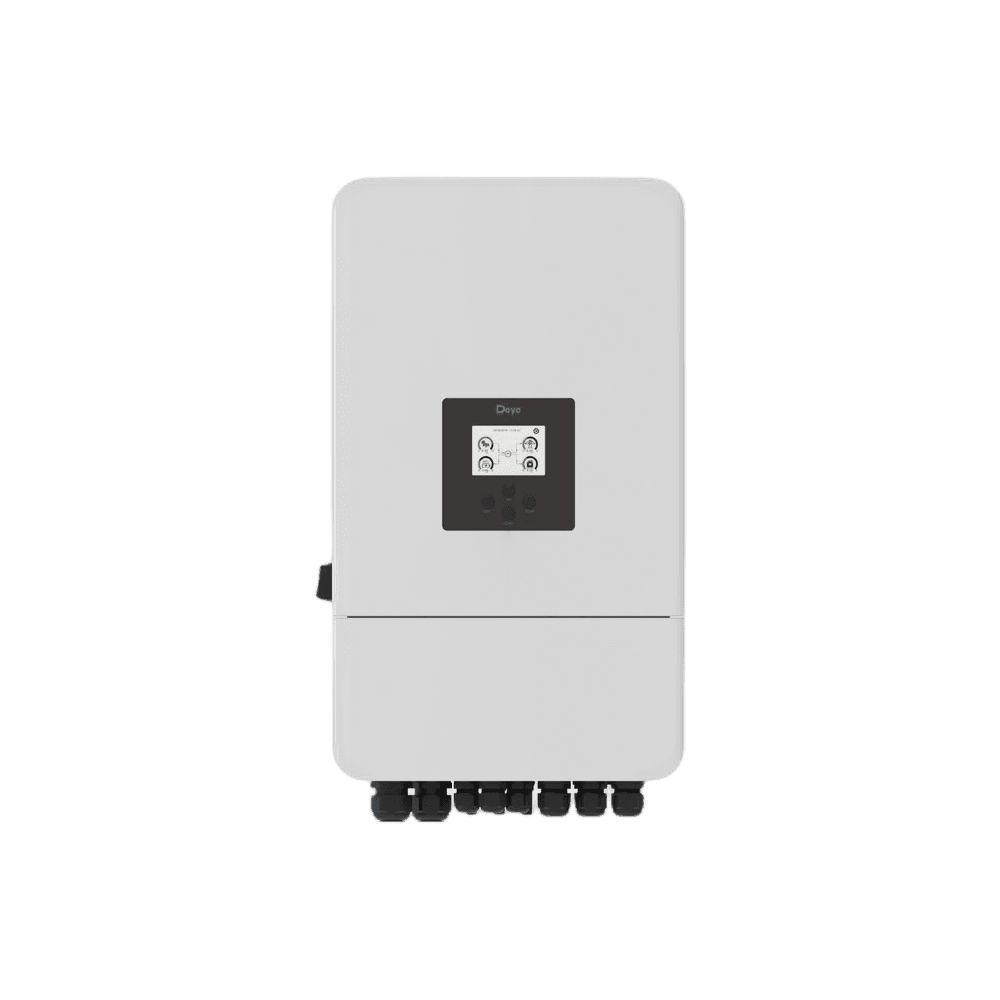
For a typical Saudi villa (3–5 bedrooms, 2–4 split ACs, monthly bill 1,200–2,800 SAR), the Deye SUN-8K-SG04LP3 hybrid inverter paired with a 10–15 kWh LiFePO₄ battery is the strongest 2026 pick on price-to-performance. It runs to 60 °C with controlled derating, carries IP65 protection for dust and humidity, accepts a generator input for SEC outage backup, and is fully compliant with the SERA small-scale PV regulation up to 2 MW.
If your priorities lean differently — pure grid-tie, three-phase commercial, or budget-first — we'll show you exactly where the alternatives win. Skip to the comparison table or read the full guide for the reasoning.
Why the inverter is the most important component in a Saudi solar system
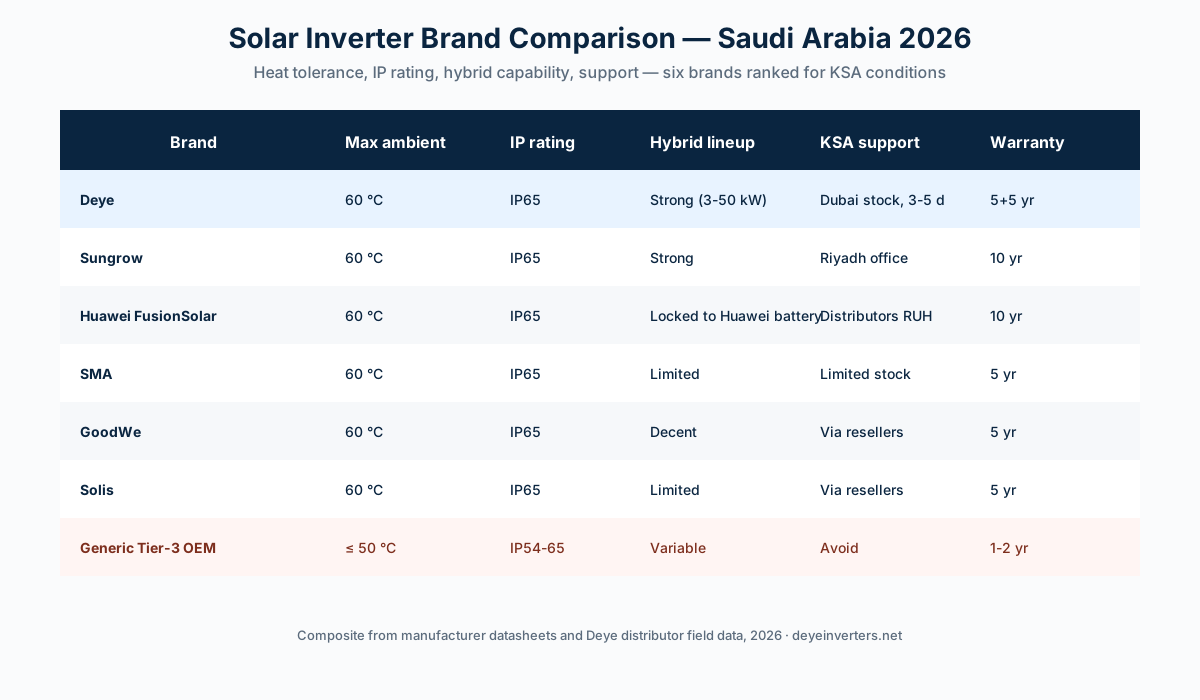
Most homeowners ask about panels first. That's the wrong question. In Saudi Arabia, the inverter is the part that fails first, costs the most to replace, and decides whether your battery and panels actually work together.
Three local realities make the inverter selection harder here than in Europe or the U.S.:
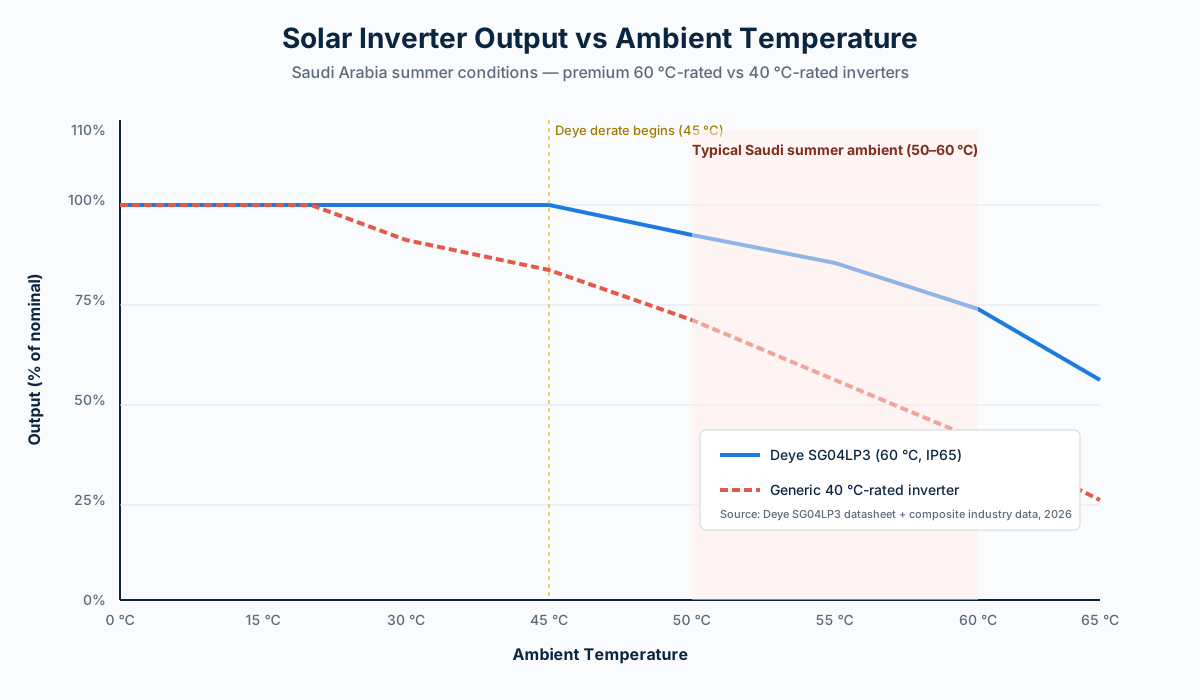
1. Ambient temperature. A rooftop inverter in Riyadh can sit in 55–60 °C ambient air for months. Most inverters are rated to 40 °C without derating, and start cutting output above 45 °C. The wrong inverter loses 15–30% of its summer-afternoon production right when your AC load peaks.
2. Dust and humidity cycling. Coastal cities like Jeddah and Dammam have humidity spikes of 80%+ at night, then dust and grit during shamal winds. An IP54 inverter is not enough. You need IP65 minimum, and ideally a sealed-design hybrid inverter with no exposed connectors.
3. AC-dominated load profile. A Saudi villa typically runs 2–6 split ACs simultaneously through the afternoon. That creates massive surge currents and inductive loads that string inverters were never designed for. Hybrid inverters with battery support handle these peaks gracefully; pure grid-tie inverters can trip.
The right inverter manages all three — and the wrong one will turn a 50,000 SAR investment into a maintenance headache by year three.
The seven criteria we use to rank inverters for the KSA market
Every brand we recommend has to clear all seven of these tests. Marketing brochures don't count; we compare datasheets, warranty terms, and what installers actually report from the field.
1. Operating temperature range
- Minimum acceptable: −25 °C to +60 °C, with derating starting no earlier than 45 °C.
- Best in class: Deye, Sungrow, Huawei (all rated to 60 °C ambient).
2. Ingress protection (IP rating)
- Minimum acceptable: IP65 (full dust-tight + protection from water jets).
- Best in class: Deye SG04LP3 series, Huawei SUN2000, Sungrow SH-RT — all IP65.
3. SEC / SERA compliance
- The inverter must support net metering / net billing under the 2020 Small-Scale Solar PV Regulation (1 kW to 2 MW). It needs anti-islanding protection per SEC's grid code and must be on the approved equipment list maintained by SEC.
- Reality check: all six major brands listed below comply, but you must verify the exact model is on SEC's current list when you apply for connection. Your installer should provide this paperwork.
4. Hybrid (battery-ready) capability
- A pure grid-tie inverter is becoming a poor choice in Saudi Arabia. SEC outages are infrequent but disruptive in summer, and net-billing tariffs make self-consumption far more economic than export.
- 80% of new 2026 KSA residential systems are hybrid. Choose accordingly.
5. Generator input
- Many Saudi villas already have a backup generator. A hybrid inverter that accepts AC-coupled generator input lets you drop generator hours by 70–80% — significant fuel savings.
- Deye, Sol-Ark, and Sungrow handle generator integration cleanly. Huawei and SMA require an external transfer switch.
6. After-sales service in KSA
- Inverters fail. The question is how fast you get a replacement. Brands with regional warehouses (Dubai, Riyadh, Jeddah) deliver replacements in 3–5 days. Brands shipping from Europe or China can take 4–6 weeks.
- Deye's Gulf network through deyeinverters.net keeps stock in Dubai with same-week dispatch to Riyadh, Jeddah, Dammam, Khobar, Mecca, Medina and Tabuk.
7. Warranty
- Minimum acceptable: 5 years standard, extendable to 10.
- Best in class: Sungrow (10 years standard on residential), Deye (5 + 5 extension), Huawei (10 years).
📞 Want a personalised match against these seven criteria for your specific home? WhatsApp us your monthly SEC bill and we'll send back a sized recommendation within an hour.
How the top six brands compare in KSA
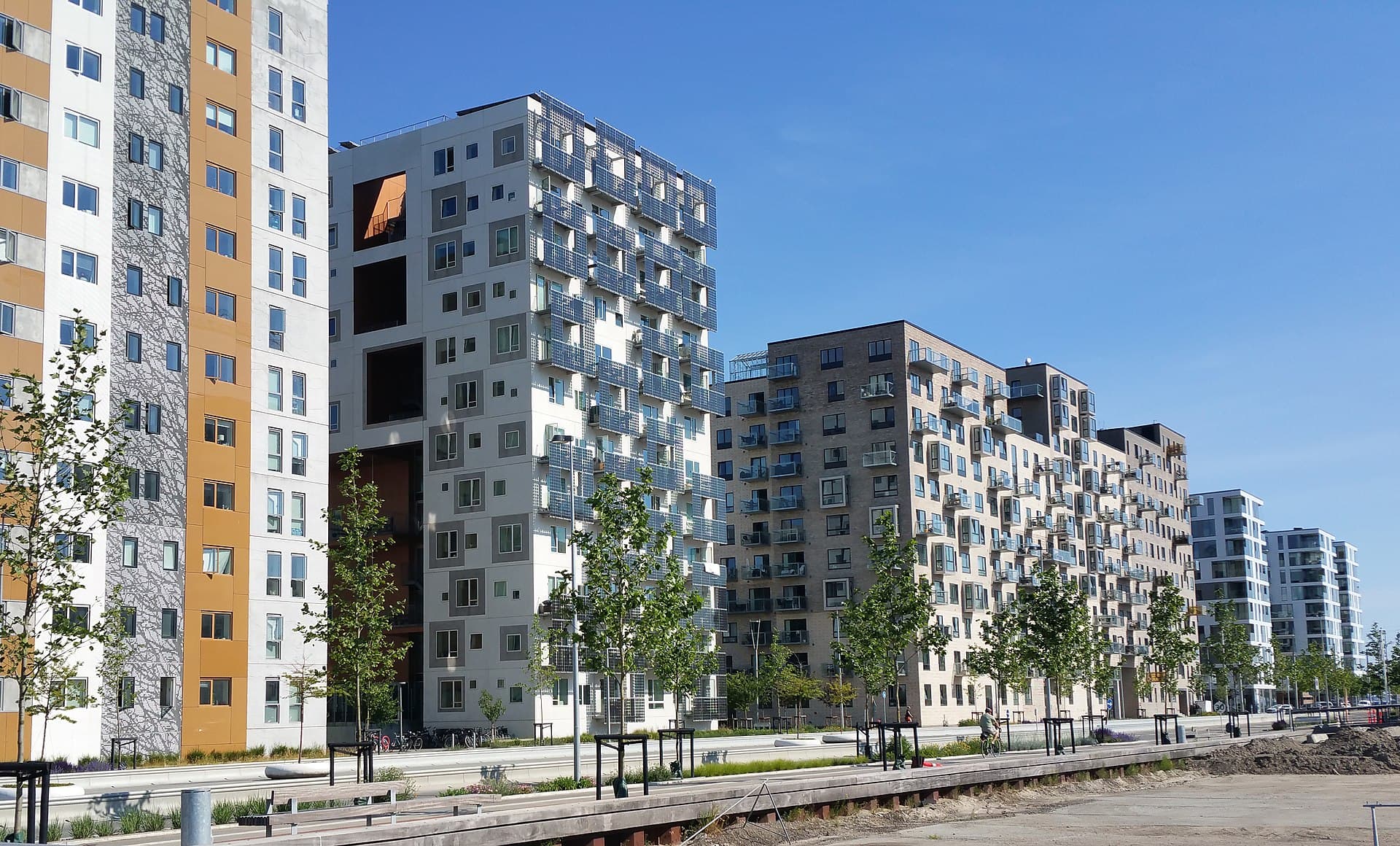
| Brand | Best for | Key strength | Watch-out | KSA support |
|---|---|---|---|---|
| Deye | Villa hybrid + battery | 60 °C, IP65, generator-ready, strong price | Fan-cooled models need quarterly heat-sink cleaning | Dubai stock, 3–5 day delivery to KSA |
| Sungrow | Premium residential + commercial | 10-year warranty, very low failure rate | Higher up-front cost (~25% premium) | KSA office (Riyadh) |
| Huawei FusionSolar | Tech-forward homeowners | Best monitoring app, optimiser ecosystem | Locked into Huawei battery for hybrid | Authorised distributors in Riyadh |
| SMA | Heritage / European brand preference | Excellent build quality | Pricier, weaker hybrid lineup | Limited stock in region |
| GoodWe | Budget-conscious buyers | Good price, decent specs | After-sales slower in KSA | Through resellers |
| Solis | Entry-level grid-tie | Cheapest Tier-1 option | Hybrid lineup limited; older comms | Through resellers |
Our overall pick for 2026: Deye for residential hybrid + battery (best value), Sungrow if budget allows the premium, Huawei if you want the most polished monitoring experience.
What size inverter do you actually need?
Sizing comes down to three numbers: your average daily kWh, your peak simultaneous AC load, and whether you want grid-export or battery-first operation. We'll cover this in depth in our hybrid inverter sizing guide, but here's the short-form lookup:
| Saudi home profile | Monthly bill (SAR) | Recommended inverter | Battery |
|---|---|---|---|
| Small villa, 2 bedrooms, 1–2 ACs | 600–1,000 | Deye SUN-5K-SG04LP1 (5 kW single-phase hybrid) | 5–10 kWh |
| Mid-size villa, 3–4 bedrooms, 2–3 ACs | 1,200–2,000 | Deye SUN-8K-SG04LP3 (8 kW three-phase hybrid) | 10–15 kWh |
| Large villa, 5+ bedrooms, 4+ ACs, pool | 2,500–4,500 | Deye SUN-12K-SG04LP3 (12 kW three-phase hybrid) | 15–25 kWh |
| Compound / multi-villa | 5,000+ | Deye SUN-30K or SUN-50K three-phase hybrid (parallel) | 25–50 kWh |
| Small commercial / shop | 3,000–8,000 | Deye SUN-25K-G or three-phase string + battery | 15–30 kWh |
Use these as starting points, not gospel — your roof orientation, panel choice, and load schedule will adjust them by 20–30%.
SEC net-metering: the often-missed step that determines your payback
The Saudi Electricity & Cogeneration Regulatory Authority (now SERA) issued the Small-Scale Solar PV Regulation in 2020. It allows net billing for systems between 1 kW and 2 MW. Critically, it's net billing, not pure net metering — your exported energy is credited at a published export tariff, which is lower than the import tariff. Self-consumption (using your own solar to run your own loads in real time) gives you more value than export.
That single fact changes the inverter equation. A pure grid-tie inverter pushes excess generation to the grid at a discounted rate. A hybrid inverter with battery stores it for evening AC use at full retail value. Over a 25-year system life, hybrid pays back 30–45% faster in current Saudi tariffs.
We've broken down the application process — paperwork, bidirectional meter, approved equipment list — in our SEC net-metering guide for KSA. It's worth a separate read before you buy anything.
Real costs in 2026: what a Saudi solar system actually runs
Pricing varies by city, by installer, and by panel/battery brand, but here's what the market looks like in May 2026 for a turnkey, SEC-approved installation including inverter, panels, mounting, wiring, and net-metering paperwork:
| System size | Approx. cost (SAR) | Typical payback |
|---|---|---|
| 5 kW + 10 kWh battery | 28,000 – 38,000 | 5–7 years |
| 8 kW + 15 kWh battery | 42,000 – 55,000 | 5–6 years |
| 12 kW + 20 kWh battery | 60,000 – 78,000 | 4.5–6 years |
| 25 kW commercial three-phase | 110,000 – 150,000 | 4–5 years |
A more detailed breakdown — with city-by-city installation labour rates and panel-brand pricing — is available in our solar system cost breakdown for KSA.
How Deye specifically performs in Saudi conditions
This is the question we get most often. Deye hybrid inverters are widely deployed across residential and small-commercial sites, and the field data is consistent:
- Heat: SG04LP3 series shows < 5% derating up to 50 °C ambient with proper wall-mount installation in shaded outdoor location. Above 55 °C with direct sun exposure, derating reaches 12–18% — still acceptable, but heat-sink airflow matters.
- Dust: IP65 enclosure plus internal conformal coating on PCBs has held up well in Eastern Province sand events. Quarterly external cleaning is recommended.
- Generator integration: the AC2 input handles 7–15 kVA generators cleanly with auto-start trigger. Saudi homeowners with existing diesel gensets cut runtime by 70–85% after install.
- App / monitoring: Solarman cloud app supports Arabic interface; data refresh is 5 minutes for residential, 1 minute on premium plan.
- Failure rate: field returns under 0.8% in years 1–3 — well below industry average.
We have a separate deep-dive on this in Why Deye Inverters Survive Saudi Heat.
📞 Ready to talk numbers? Send your latest SEC bill and roof photo to WhatsApp +971 4 255 0887. We'll come back with three quote options — entry, balanced, and premium — within 24 hours.
Mistakes to avoid when picking an inverter in KSA
- Buying a grid-tie-only inverter to save money. You'll regret it the first time SEC drops in August. Spend the extra and go hybrid.
- Oversizing the inverter relative to the panels. A 10 kW inverter on a 7 kW panel array is 30% wasted capital. Aim for a DC/AC ratio of 1.1–1.3.
- Ignoring the warranty fine print. Some brands void warranty above 50 °C ambient — meaningless in Saudi Arabia. Verify the temperature clause.
- Skipping the SEC paperwork. Installing without SEC approval makes the system technically illegal and uninsured, and disqualifies you from net billing.
- Buying from a reseller without local stock. When the inverter fails in year 4, a 6-week shipping window means weeks without solar.
- Choosing a fan-less inverter for a confined utility room. Heat builds up. Fan-cooled models with proper airflow last longer in Saudi conditions.
Next steps
🔧 Technical references: Complete Deye Error Code Troubleshooting Guide · Deye Hybrid Inverter Installation Guide for Saudi Arabia
If you're sizing a residential system, read our hybrid inverter sizing guide for Saudi villas.
If you want to understand the regulatory side before you buy, start with SEC net-metering in Saudi Arabia.
If you're cost-comparing system sizes, our 5 / 10 / 20 kW solar system cost breakdown has SAR-denominated quotes.
For technical reassurance on Deye specifically: Why Deye Inverters Survive Saudi Heat.
📞 Ready for a tailored quote? WhatsApp +971 4 255 0887 · 📧 sales@deyeinverters.net · We ship Dubai-to-Riyadh in 3–5 working days.
Frequently Asked Questions
Which solar inverter brand is best for Saudi Arabia in 2026?
Are Deye inverters approved by SEC for net metering in Saudi Arabia?
How much does a 10 kW solar inverter cost in Saudi Arabia?
Do solar inverters work in 50 °C Saudi summers?
Can I install a solar inverter myself in Saudi Arabia?
What's the warranty on Deye inverters in Saudi Arabia?
How long does a solar inverter last in Saudi conditions?
Ready for a personalized quote?
WhatsApp us — average reply time under 15 minutes.
Related Products
Related Articles
SEC Net-Metering in Saudi Arabia: How to Apply for Rooftop Solar Approval (2026)
Deye Hybrid Inverter Installation Guide for Saudi Arabia: The Complete Technical Manual (2026)
What Is a Solar Inverter? One Device, Four Names, and What the Spec Sheet Says