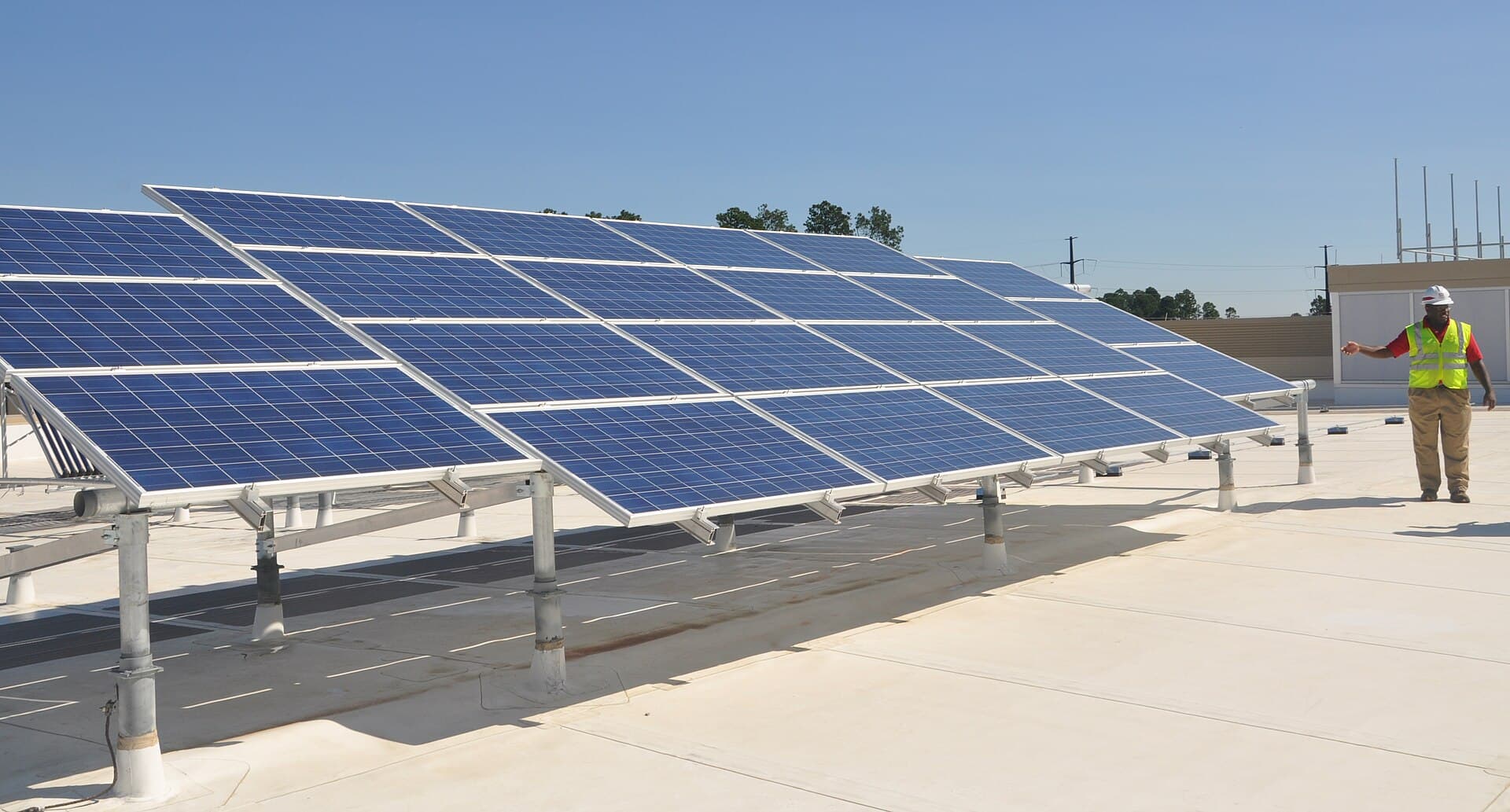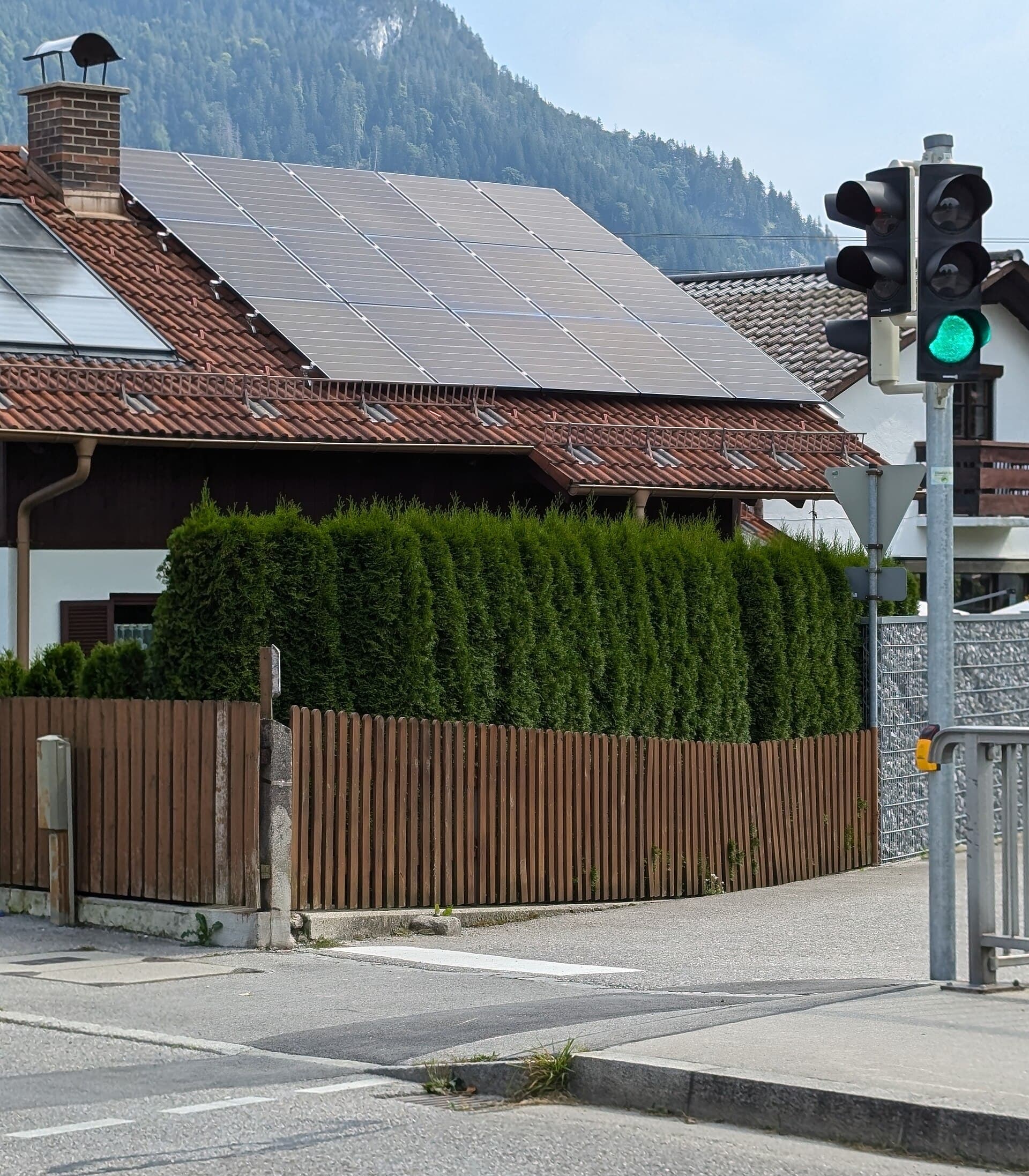
Complete 2026 guide to SEC net-metering in Saudi Arabia: SERA rules, application steps, approved inverters, bidirectional meter, and tariffs. Free WhatsApp help.
If you install rooftop solar in Saudi Arabia without going through the SEC net-metering approval process, three things happen: you cannot sell surplus energy back to the grid, your home insurance may not cover the system, and the installation is technically non-compliant under the SERA Small-Scale Solar PV Regulation.
The good news: the process is well-defined, predictable, and — done correctly — takes 30 to 60 days from application to commissioning. This guide walks through every stage in 2026, from the SERA framework rules to the specific paperwork SEC asks for, the approved inverter list, and the tariffs you'll be paid for exported energy.
📞 Want us to handle the SEC paperwork for you? WhatsApp +971 4 255 0887. Our installer partners across Riyadh, Jeddah, Dammam and the Eastern Province handle end-to-end approval as part of any system above 5 kW.
What "net metering" actually means in Saudi Arabia (and why it's net billing)
Internationally, net metering lets a homeowner offset import energy with export energy at the same rate — effectively using the grid as a free battery. Saudi Arabia adopted a similar but different scheme called net billing under the 2020 Small-Scale Solar PV Regulation.
The key distinction:
- Net metering (not used in KSA): 1 kWh exported = 1 kWh credit at retail rate.
- Net billing (KSA framework): 1 kWh exported = a published export tariff, lower than the retail import rate.
In practice this means self-consumption pays better than export. A kWh you use to run your own AC during the day is worth your full retail tariff. A kWh you push to the grid is worth the export tariff (typically 0.07–0.18 SAR/kWh depending on your tariff bracket and time-of-use). For Saudi homeowners, this single fact is why hybrid inverters with battery are the right answer in 2026 — they let you store and self-consume rather than export at a loss.
Who can apply
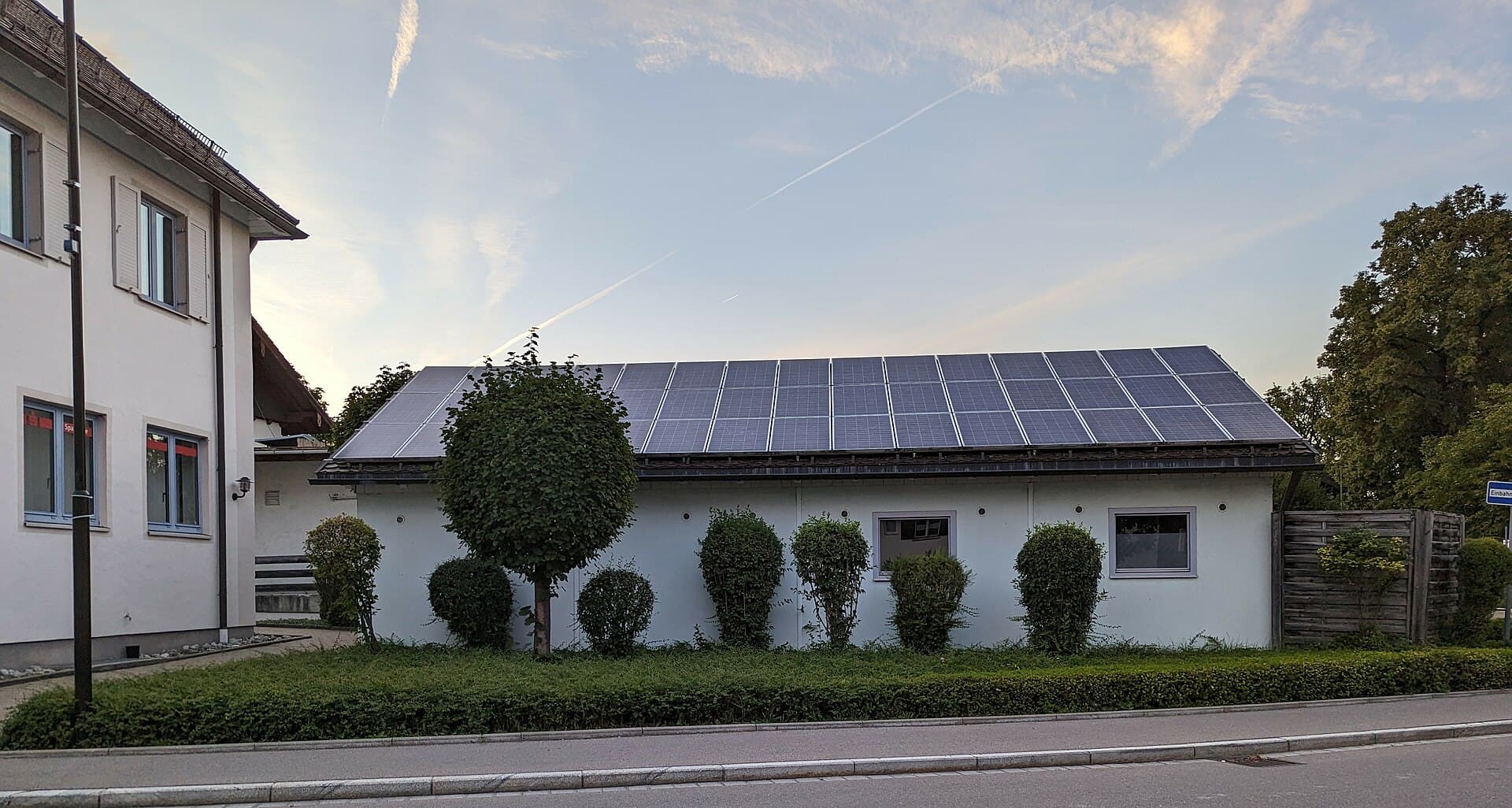
The SERA Small-Scale Solar PV Regulation covers any system between 1 kW and 2 MW of installed AC capacity, with these limits:
- Single premise: maximum 2 MW
- Aggregate per electricity supply area: 5 MW
- Voltage: connected at low voltage (220 V single-phase or 380 V three-phase)
- Eligible categories: residential, commercial, industrial, governmental, agricultural
Residential consumption is given priority in the net-billing queue under the regulation — meaning your home application gets processed ahead of comparable commercial filings.
The four parties involved
- Owner / Consumer (you). Files the application, pays for the system, signs the connection agreement.
- Service Provider / Installer. Licensed electrical contractor who designs, installs, and commissions the system. Must be a SEC-registered solar contractor.
- Distribution Service Provider (DSP) — i.e. SEC. Approves the application, supplies the bidirectional meter, performs the witness test, and signs off connection.
- SERA (Saudi Electricity Regulatory Authority). Maintains the regulatory framework, the approved equipment list, and dispute resolution.
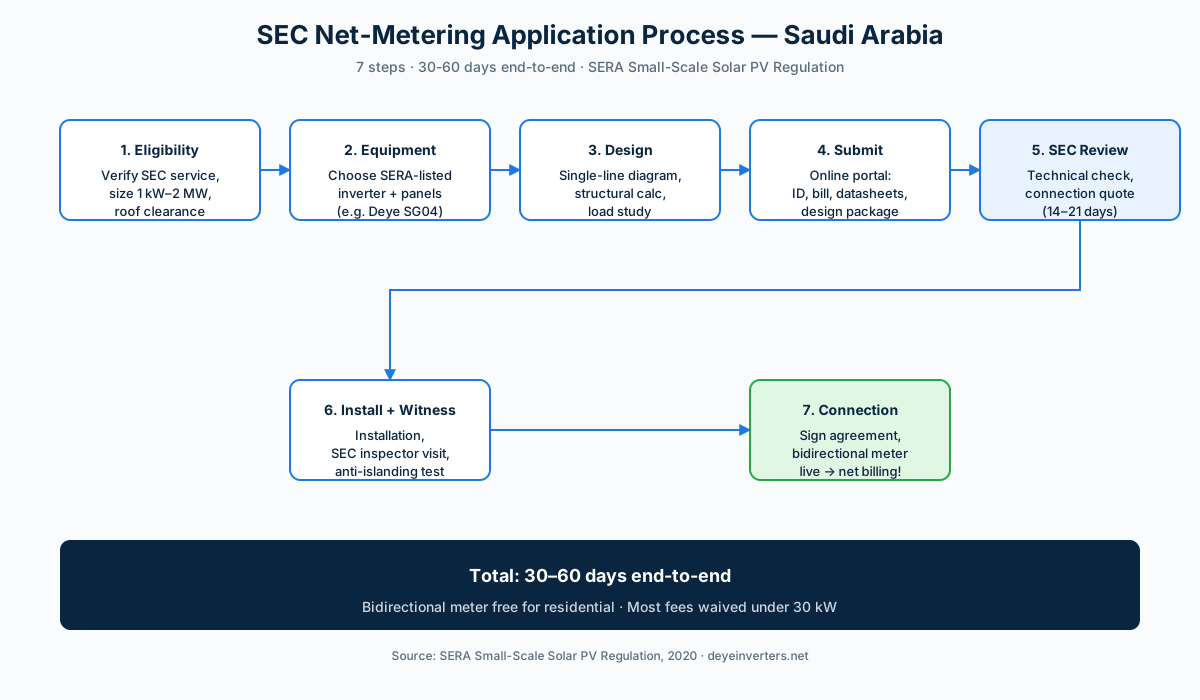
The seven-step application process
Step 1 — Confirm eligibility
Verify your premise has SEC service, that the proposed system size is within the 1 kW – 2 MW bracket, and that your roof has the structural and shading clearance for the panel count you'll need. Most installers do a free site survey before any paperwork.
Step 2 — Choose SERA-listed equipment
Both the inverter and the panels must be on SERA's approved equipment list. The inverter must support anti-islanding protection to grid code, frequency / voltage ride-through, and SEC-compatible communication. Multiple Deye SG04 series models (SUN-5K, SUN-8K, SUN-10K, SUN-12K SG04LP1 and SG04LP3) are on the current list — verify the exact model with your installer at the time of application.
Step 3 — System design and load study
Your installer prepares a single-line diagram, panel layout, structural calculation for the roof, and load study. SEC reviews this against your historical consumption to confirm the system isn't dramatically oversized (an oversized system implies pure export, which falls outside the small-scale framework).
Step 4 — Submit the connection application
The installer submits via the SEC online portal. Required documents:
- Property ownership or tenancy proof
- National ID / residency
- Latest SEC bill
- Single-line diagram and panel layout
- Inverter and panel datasheets with SERA list reference numbers
- Installer license number
Step 5 — SEC technical review and quotation
SEC reviews the file and issues a connection quotation — the cost (if any) for grid-side modifications. For most residential systems this fee is minimal because SEC supplies the bidirectional meter at their cost.
Step 6 — Installation and commissioning
Once you accept the quotation, the installer proceeds with installation. After completion, SEC sends a witness engineer to inspect:
- Inverter compliance (correct firmware, anti-islanding test)
- Earthing and bonding
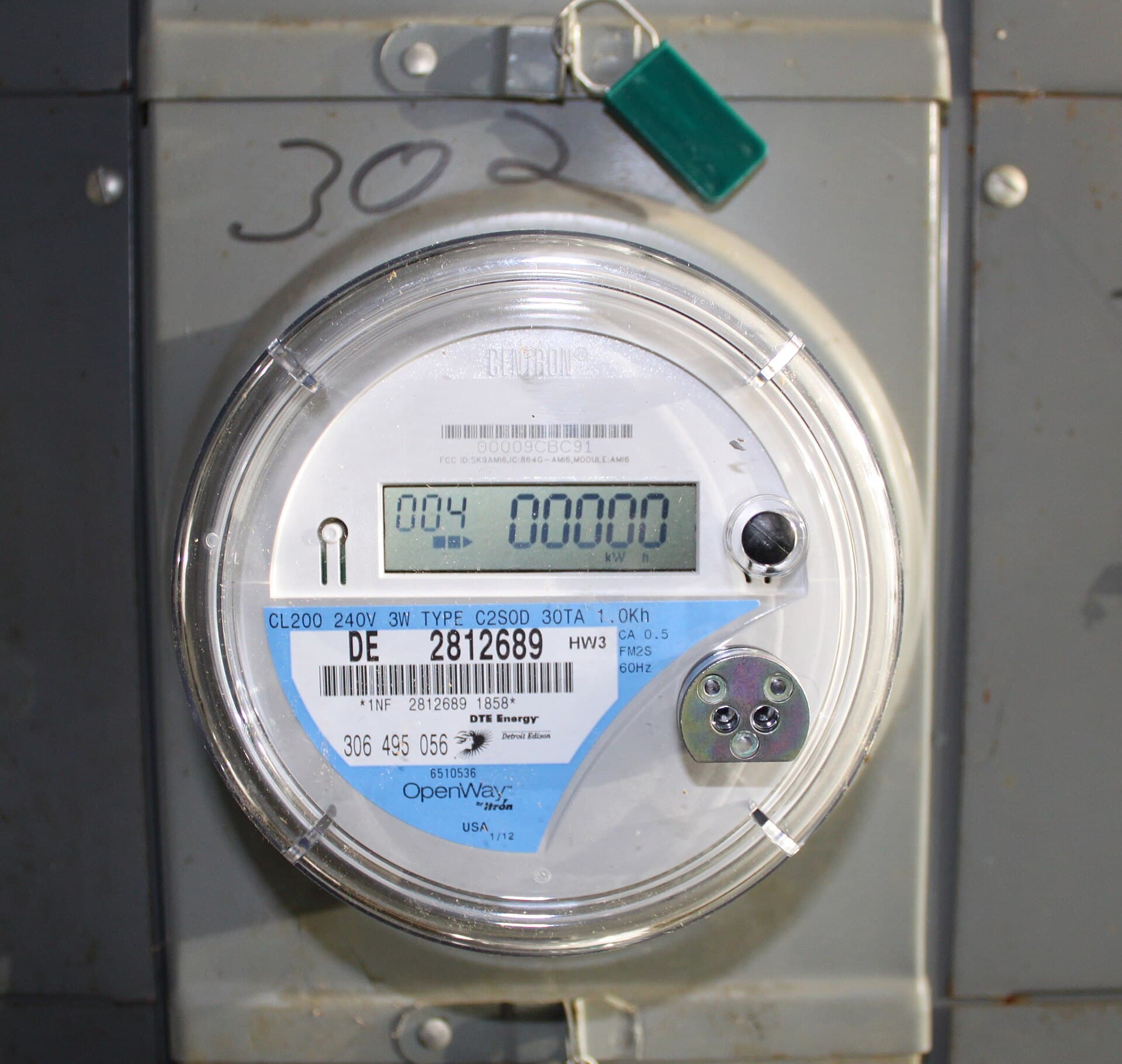
- Bidirectional meter installation
- Single-line diagram match against the as-built
This witness visit is typically scheduled within 7–14 days of installer's "ready for inspection" notice.
Step 7 — Connection agreement and commissioning
After successful witness test, you sign the Connection Agreement — the contract that activates net billing. The bidirectional meter is energised and the system goes live. From this point forward your monthly SEC bill shows three readings: kWh delivered (you imported), kWh received (you exported), and net.
How long does it take?
Typical end-to-end timeline in 2026:
| Stage | Days |
|---|---|
| Site survey & system design | 3–7 |
| Application preparation | 2–5 |
| SEC review & quotation | 14–21 |
| Installation | 3–10 |
| Witness inspection scheduling | 7–14 |
| Final commissioning | 1–2 |
| Total | 30–60 days |
Tight schedules happen mostly in winter months (cooler weather, lower SEC inspection backlog). Summer applications can stretch toward 60 days as inspection schedules fill.
What it costs (SEC-side fees only)
The SERA regulation is intentionally light on fees to encourage adoption. Typical SEC-side costs for a residential system in 2026:
- Bidirectional meter: supplied by SEC at no charge to consumer
- Connection / inspection fees: generally waived for residential under 30 kW
- Application processing: no published fee
- Connection upgrade (if your supply needs uprating): quoted case-by-case, typically 0–3,000 SAR for residential
Note these are SEC fees only — they exclude the cost of the system itself and installer fees. For full system costs, see our solar system cost breakdown for KSA.
📞 Need help with the application? Our partner network handles SEC paperwork as a turnkey service. WhatsApp +971 4 255 0887 and we'll connect you with a SERA-registered installer in your city.
Approved inverter checklist
When choosing an inverter for SEC net-billing, confirm these points with your installer:
- [ ] Model is on the current SERA approved equipment list (the list updates; check at time of application, not at time of purchase)
- [ ] Anti-islanding protection per SEC Distribution Code section on grid-tie inverters
- [ ] Voltage and frequency ride-through compliant with SEC grid code (typically ±10% V, ±2 Hz)
- [ ] Bidirectional communication for export limit setting
- [ ] Local language interface (Arabic) — preferred but not mandatory
- [ ] Manufacturer certificate of conformity with SASO standards
The Deye SG04LP1 and SG04LP3 hybrid series tick all six boxes and are routinely approved through the SEC process.
Common reasons applications get rejected
- System size mismatch with consumption history. SEC compares proposed generation against your last 24 months. Wildly oversized systems get flagged.
- Inverter not on the approved list. Check the SERA list at application time, not purchase time.
- Single-line diagram errors. Missing earthing, incorrect breaker ratings, or unclear PV-side wiring is the #1 rejection reason.
- Roof structural concerns. Older villas may need a structural sign-off if the panel array adds significant load.
- Tenancy approval missing. If you don't own the property, the owner's written consent is required.
A SERA-registered installer handles these proactively. If you're going DIY (not advised, and not eligible for net billing), you'll spend 2–3 cycles correcting the file.
Tariffs: what you actually earn for exported solar
SERA publishes the export tariff alongside SEC's standard residential tariff structure. Tariffs are reviewed annually. In 2026 the residential structure is:
| Consumption band | Import rate (SAR/kWh) | Export rate (SAR/kWh) |
|---|---|---|
| 0–6,000 kWh/month | 0.18 | 0.07 |
| 6,001+ kWh/month | 0.30 | 0.18 |
The numbers above are illustrative — confirm current rates with SEC at application time. The takeaway: export rates are roughly 40–60% of import rates, which is why self-consumption with battery storage pays far better than export-first design.
How Deye's hybrid architecture maximises your return under net billing
Because export rates are below import rates in KSA's net-billing model, the financial winner is the system that maximises self-consumption. Deye's hybrid inverters do this in three ways:
- Battery-first dispatch. Excess solar charges the battery before exporting. The battery then discharges in the evening at full retail import-rate value.
- Time-of-use scheduling. Up to six different charge/discharge schedules let you align battery operation with your peak tariff bands.
- Generator-coupled fallback. If grid is interrupted, the inverter prioritises battery, then generator — never exporting paid-for diesel back to the grid.
Net effect: a hybrid system in Saudi Arabia typically returns 30–45% better payback than a pure grid-tie system of equivalent size.
What to do next
🔧 Technical references: Complete Deye Error Code Troubleshooting Guide · Deye Hybrid Inverter Installation Guide for Saudi Arabia
If you're choosing between brands and models, our Best Solar Inverter for Saudi Homes 2026 buyer's guide covers the comparison in detail.
If you've decided on hybrid and want to size the system, see How to Size a Hybrid Solar Inverter for a Saudi Villa.
For pricing transparency: 5 / 10 / 20 kW Solar System Cost in KSA.
📞 Free SEC application support: WhatsApp +971 4 255 0887 · 📧 sales@deyeinverters.net
External authority links
- Saudi Electricity Regulatory Authority (SERA) — official regulatory documents
- Saudi Electricity Company (SEC) — solar PV consumer information
- Saudi Vision 2030 — 50% renewables target framework
- Saudi Green Initiative — national sustainability programme
Frequently Asked Questions
Is net metering legal in Saudi Arabia?
How do I apply for net metering with SEC?
How long does SEC net-metering approval take in Saudi Arabia?
Is there a fee for SEC net metering?
Which inverters are approved by SEC for net metering?
What is the difference between net metering and net billing in KSA?
Can I install solar without SEC approval?
Ready for a personalized quote?
WhatsApp us — average reply time under 15 minutes.
Related Products
Related Articles
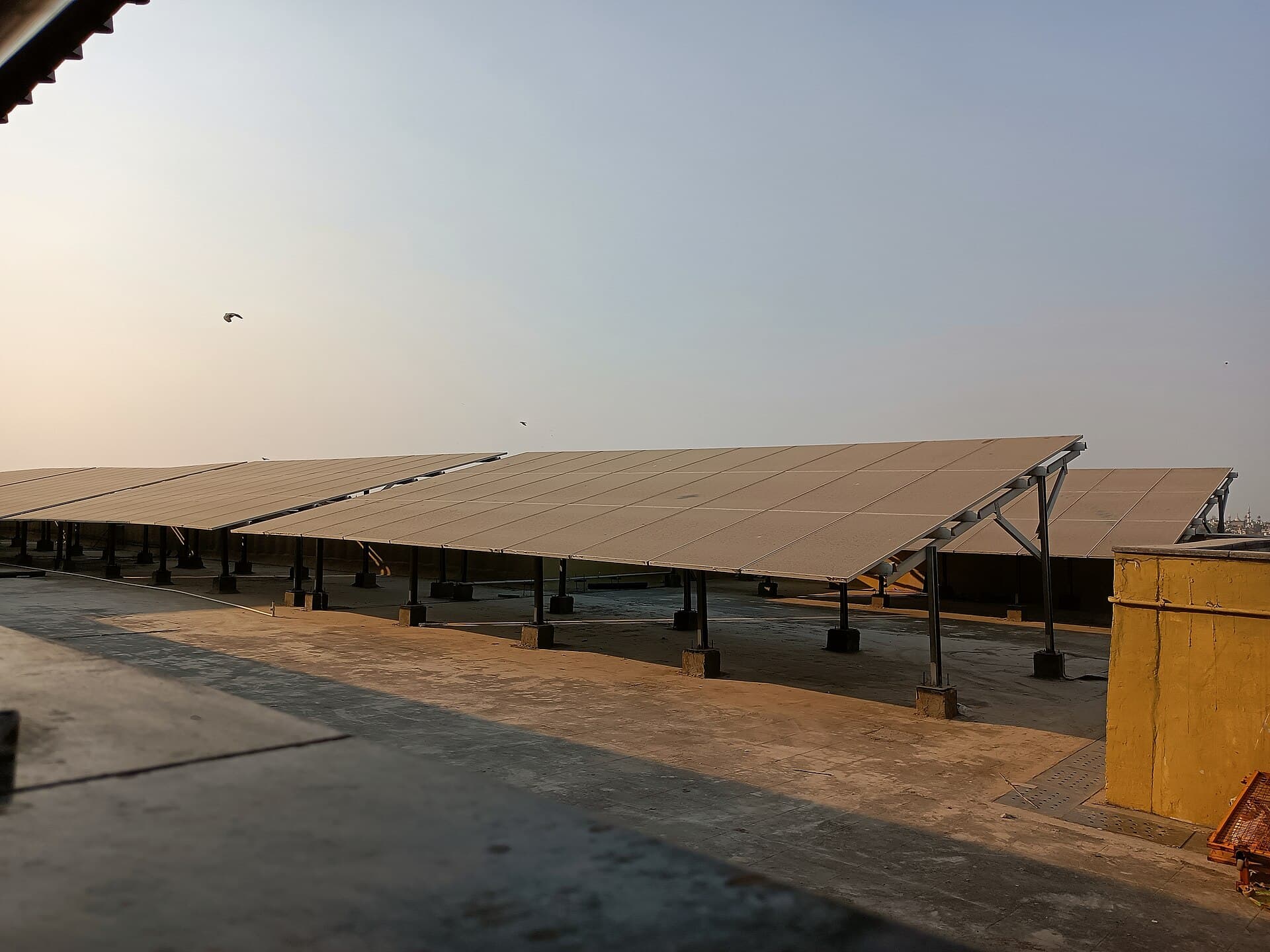
Best Solar Inverter for Saudi Homes 2026: Complete Buyer's Guide
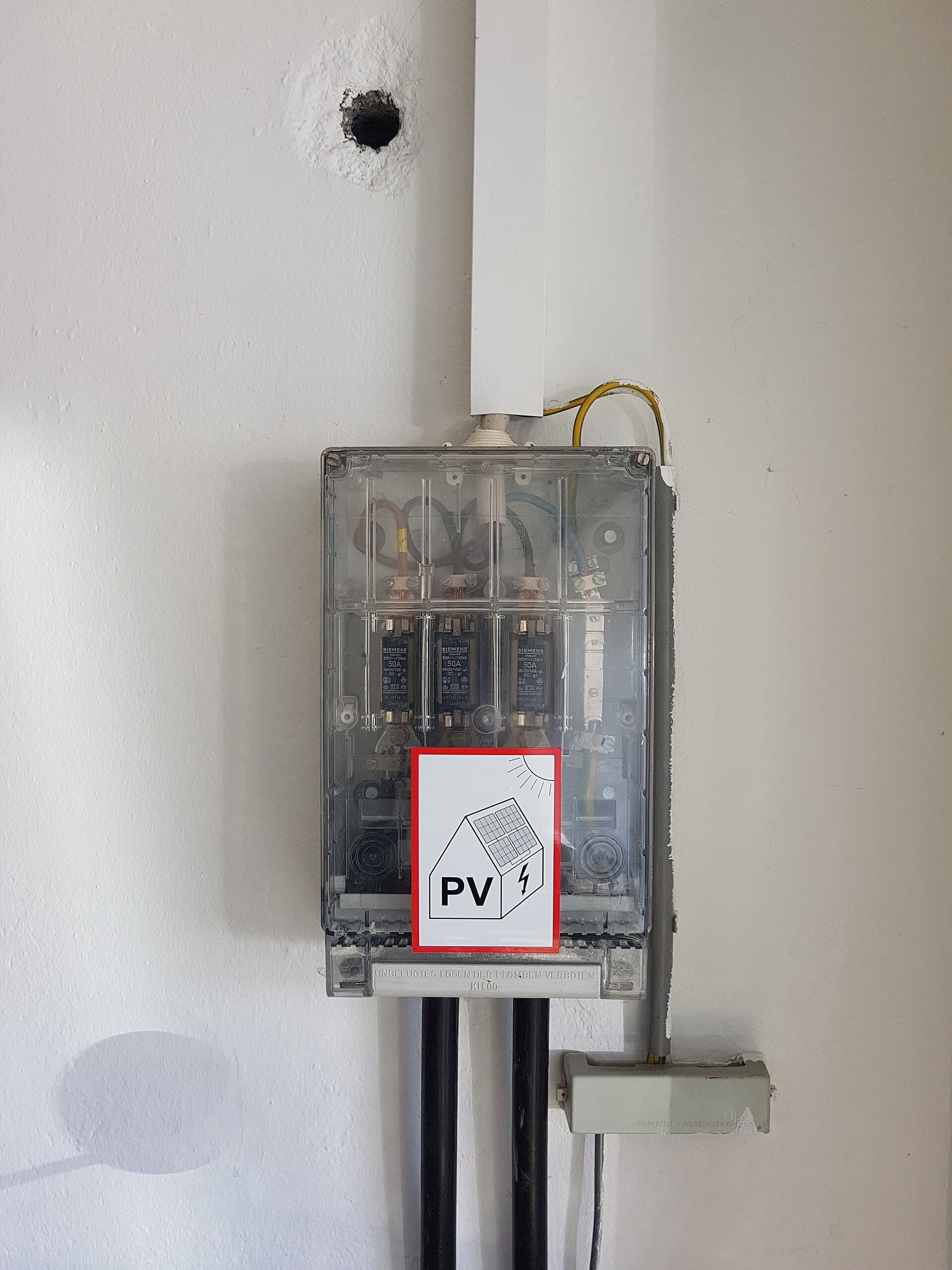
Deye Hybrid Inverter Installation Guide for Saudi Arabia: The Complete Technical Manual (2026)
5kW, 10kW & 20kW Solar Systems in Saudi Arabia: Real Cost Breakdown 2026