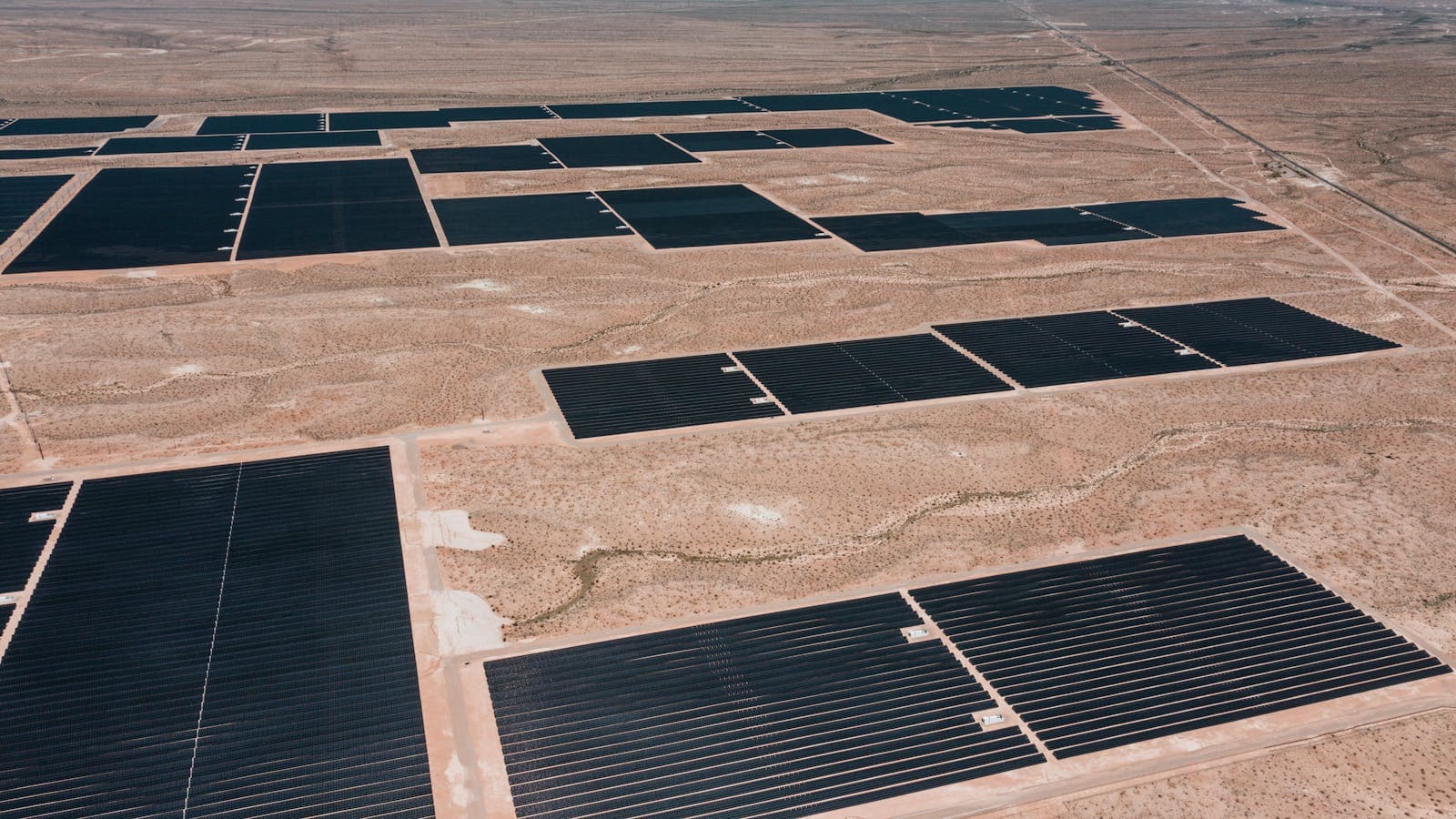
Guide to solar energy in Egypt covering climate challenges, equipment selection, regulations, and cost analysis for residential and commercial systems.
Egypt possesses one of the best solar resources in the world, with parts of the country receiving over 3,500 hours of sunshine annually. The combination of high irradiance, a large and growing population, rising electricity costs, and supportive government policy has created a rapidly expanding solar market.
Egypt's Solar Resource
| Region | Peak Sun Hours | Annual Irradiance (kWh/m2) | Climate Notes |
|---|---|---|---|
| Cairo / Delta | 5.0-5.5 | 1,800-2,000 | Hot summers, mild winters, moderate dust |
| Red Sea Coast | 5.5-6.0 | 2,000-2,200 | Very hot, high humidity, salt corrosion |
| Upper Egypt (Aswan) | 6.0-6.5 | 2,200-2,400 | Extreme heat, low humidity, best irradiance |
| Western Desert | 6.0-6.5 | 2,200-2,400 | Extreme heat, sandstorms, remote access |
Climate Challenges for Solar Equipment
Extreme Heat
Summer temperatures in Upper Egypt routinely exceed 45 degrees C, with surface temperatures on rooftop equipment reaching 60-70 degrees C. Deye hybrid inverters operate at full output up to 50 degrees C and are rated for 60 degrees C ambient, making them well-suited for Egyptian conditions.
Dust and Sand
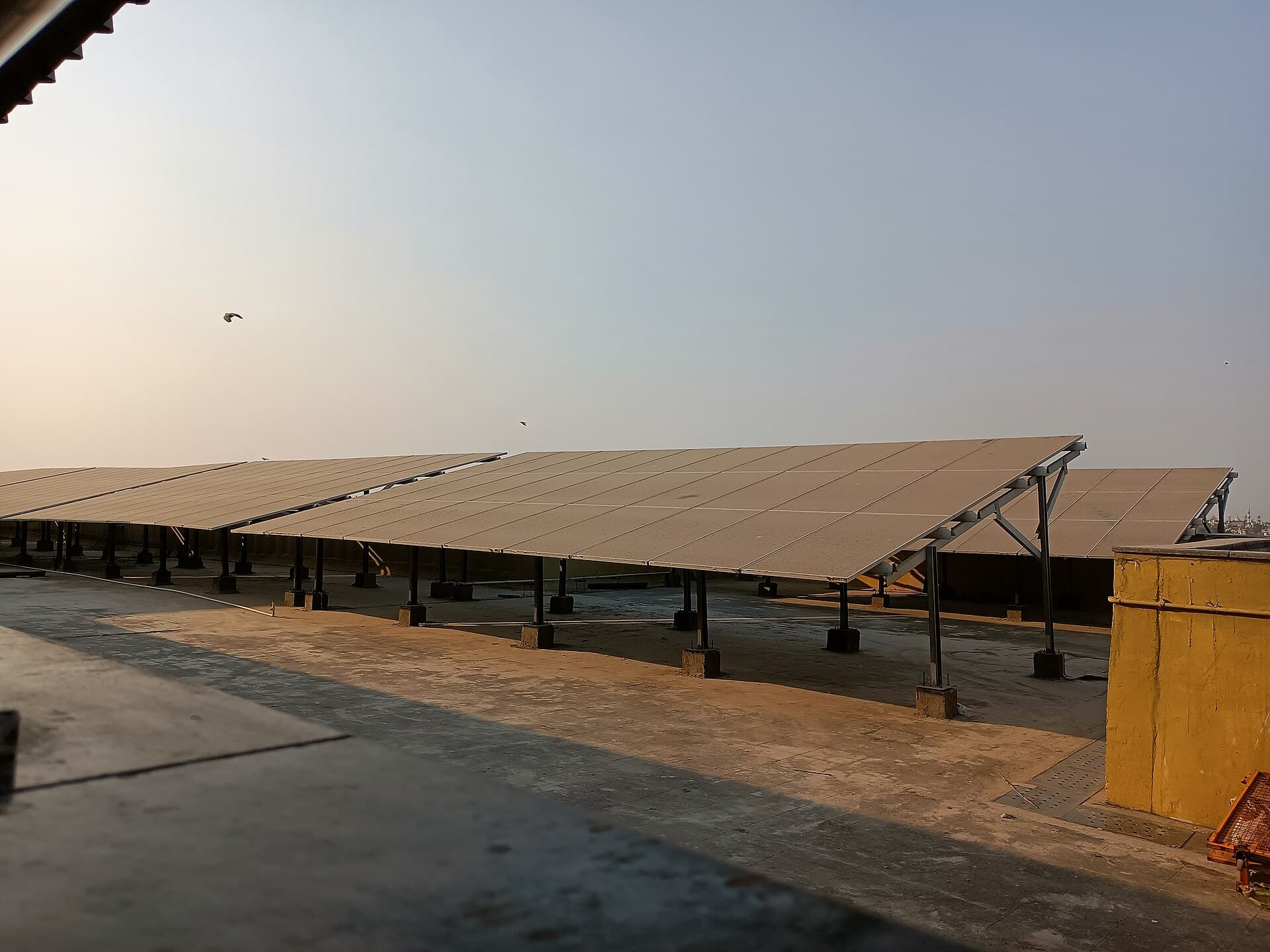
Egypt's proximity to the Sahara means regular dust deposition on solar panels, reducing output by 15-25% if not cleaned regularly. In Cairo, panel cleaning every 2 weeks during summer and monthly during winter is recommended.
Humidity and Salt (Coastal Areas)
Along the Red Sea and Mediterranean coasts, salt-laden humidity accelerates corrosion. Use stainless steel or hot-dip galvanised mounting hardware and ensure all connections are sealed with IP65-rated enclosures.
Egyptian Solar Regulations
The Egyptian Electricity Regulatory Authority (EgyptERA) has established a comprehensive framework:
- Net metering: Available for systems up to 500 kW — surplus credited at the applicable tariff
- Feed-in tariff: Available for larger commercial and utility-scale systems
- Simplified licensing: Systems under 500 kW follow a streamlined process
- Equipment standards: IEC 62109 for inverters, IEC 61215/61730 for panels
Cost and ROI in Egypt
Egypt has reformed electricity tariffs, with residential rates reaching EGP 2.65/kWh for the highest tier (2026), dramatically improving solar economics:
| System Size | Cost (EGP) | Annual Savings | Payback |
|---|---|---|---|
| 5 kW (apartment) | 150,000-200,000 | 35,000-50,000 | 3-5 years |
| 10 kW (villa) | 280,000-380,000 | 70,000-100,000 | 3-4 years |
| 50 kW (commercial) | 1,200,000-1,600,000 | 300,000-450,000 | 3-4 years |
Top Equipment Recommendations
- Inverter: Deye SUN-8K or SUN-12K — high temperature rating, dual MPPT, IP65
- Panels: Mono PERC or N-type TOPCon 550W with dust-shedding coatings
- Battery: Deye BOS-G LiFePO4 — safe chemistry, excellent cycle life in heat
- Mounting: Hot-dip galvanised steel inland, stainless steel for coastal areas
Installation Best Practices
- Use 25-30 degree tilt angle to maximise yield and promote dust runoff
- Install inverters and batteries in shaded locations
- Include surge protection, especially in the Delta region
- Plan for regular panel cleaning access in your mounting design
Frequently Asked Questions
How good is Egypt's solar resource compared to other countries?
What is the solar payback period in Egypt?
Does Egypt have net metering for solar?
Ready for a personalized quote?
WhatsApp us — average reply time under 15 minutes.