Discover solar energy solutions designed for Kuwait's extreme heat. Equipment selection, MEW regulations, and cost-saving strategies for 2026.
Kuwait experiences some of the most extreme temperatures on Earth, with summer peaks regularly exceeding 53°C. Despite these challenging conditions, Kuwait's abundant solar resource — averaging 6.1 peak sun hours daily — makes it one of the most promising markets for solar energy in the Gulf region. This guide covers everything you need to know about deploying solar systems in Kuwait's demanding climate.
Kuwait's Solar Energy Landscape
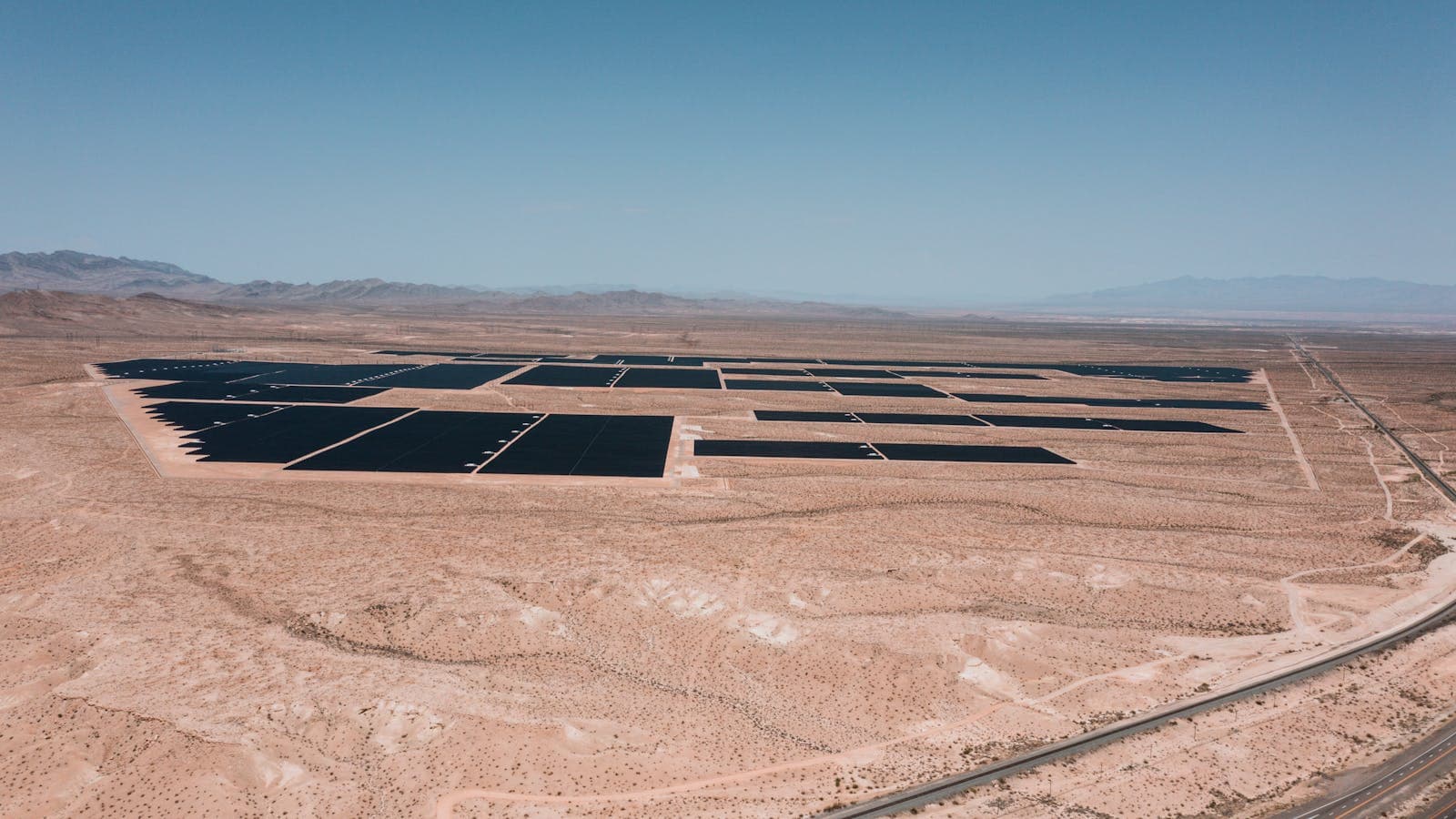
Kuwait's Ministry of Electricity and Water (MEW) has set a target of 15% renewable energy by 2030 as part of the Kuwait National Development Plan. The country's first major solar project, the Shagaya Renewable Energy Park, has been operational since 2019 and continues to expand. In 2026, Kuwait announced its first residential solar pilot programme, signalling a shift toward distributed generation.
Key Market Facts
- Average solar irradiance: 6.1 kWh/m2/day — among the highest globally
- Peak summer temperature: 50-54°C ambient
- Electricity subsidy: Heavily subsidised at KWD 0.002/kWh for residential
- Renewable target: 15% by 2030
- Key project: Shagaya Renewable Energy Park (Phase III under development)
Challenges of Solar in Extreme Heat
Kuwait's extreme temperatures create unique challenges for solar installations:
Panel Derating
Solar panels lose approximately 0.35-0.45% efficiency per degree above 25°C. At 53°C ambient, panel surface temperatures can reach 75-80°C, resulting in a 17-25% output reduction. Choosing high-temperature-coefficient panels and ensuring adequate ventilation beneath the array is critical.
Inverter Thermal Management
Standard inverters often derate or shut down when ambient temperatures exceed 45°C. For Kuwait installations, selecting inverters rated for operation up to 60°C is essential. Deye hybrid inverters feature advanced thermal management with intelligent fan control and oversized heat sinks, maintaining full rated output up to 50°C with minimal derating to 60°C.
Battery Performance in Heat
Lithium batteries degrade faster at elevated temperatures. LiFePO4 chemistry is preferred for Kuwait because of its superior thermal stability compared to NMC alternatives. Deye BOS-G batteries are designed for high-temperature environments and should be installed in shaded, ventilated locations for optimal lifespan.
Recommended Equipment for Kuwait
| Component | Recommendation | Why |
|---|---|---|
| Solar panels | N-type TOPCon or HJT | Lower temperature coefficient (-0.29%/°C) |
| Inverter | Deye SUN-8K / SUN-12K | 60°C operating range, IP65 rated |
| Battery | Deye BOS-G LiFePO4 | Thermal stability, 6000+ cycle life |
| Mounting | Aluminium with gap ventilation | Heat dissipation, corrosion resistance |
| Cables | Double-insulated, UV-resistant | Withstand 80°C+ surface temperatures |
MEW Regulations and Connection Process
Kuwait's MEW is developing a comprehensive framework for distributed solar generation. The 2026 residential pilot programme allows selected households to install rooftop solar systems with grid connection. Key aspects include:
- System size limited to 10 kW for the pilot phase
- MEW-approved equipment list required
- Bi-directional metering with net billing (not net metering)
- Licensed installer must be registered with MEW
Cost Considerations
Kuwait's heavily subsidised electricity rates (KWD 0.002/kWh residential) have historically made solar payback periods very long. However, the government is gradually reforming tariffs, and commercial/industrial rates are significantly higher. For commercial properties paying KWD 0.015-0.025/kWh, solar systems can achieve payback within 5-7 years. As residential tariff reform continues, household solar will become increasingly attractive.
Installation Best Practices for Kuwait
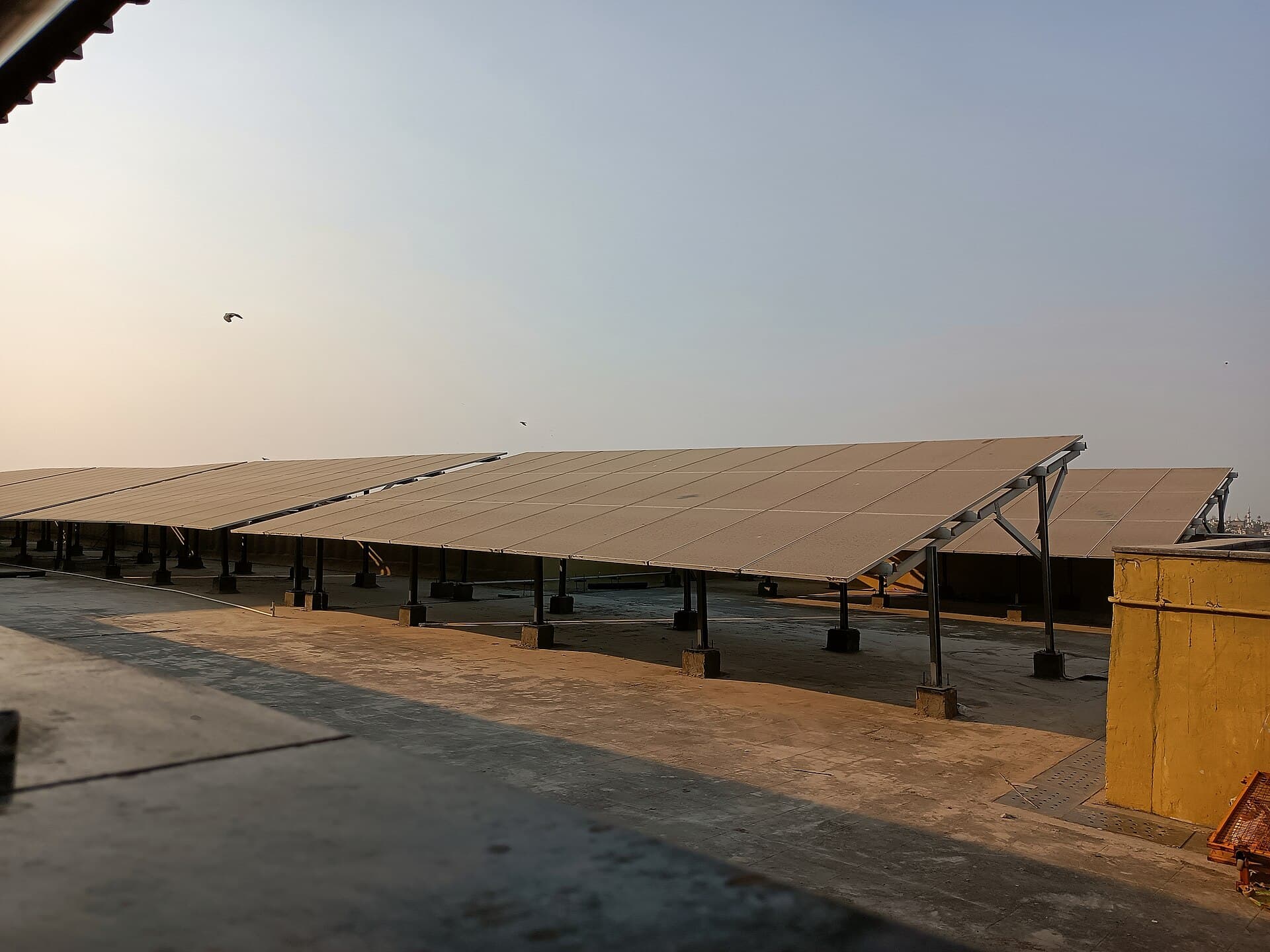
- Install panels with at least 15cm clearance above the roof surface for air circulation
- Use tilt angles of 25-30° to maximise annual yield and aid self-cleaning from dust
- Place inverters and batteries in shaded, ventilated areas — never in direct sun
- Schedule panel cleaning every 2-3 weeks during dusty months
- Use cable management systems rated for extreme UV and heat exposure
Frequently Asked Questions
Can solar panels work efficiently in Kuwait's extreme heat?
Does Kuwait allow residential solar installations?
Which inverters are best for Kuwait's hot climate?
Ready for a personalized quote?
WhatsApp us — average reply time under 15 minutes.