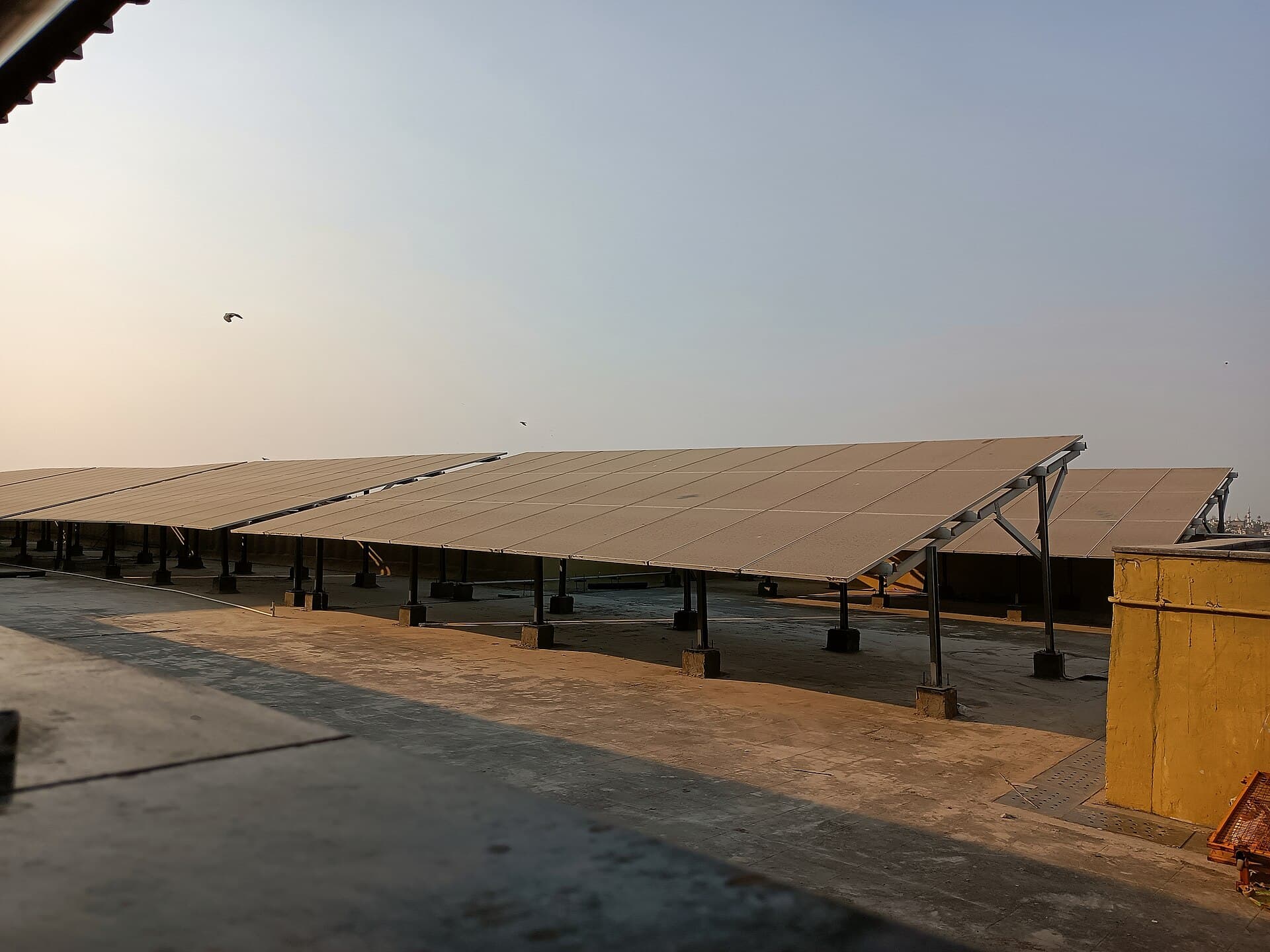
A villa in Riyadh, a workshop roof in Jeddah and a date farm near Al Ahsa need three different machines. Which one your site is asking for, and how to read a listing in about a minute so nobody has to sell you anything.
Buy the wrong machine for where you live and nothing dramatic happens. It just quietly gives you less than you paid for, on the hottest afternoons of the year. A villa on the edge of Riyadh, a workshop roof in Jeddah and a date farm outside Al Ahsa are three different electrical problems, and the unit that suits one of them can be the wrong purchase for the next. This guide tells you which one your own site is asking for, and points at the figures on the page that prove it, so the choice comes from published manufacturer data instead of from a sales claim. We are an authorised Deye distributor and we supply Saudi Arabia from our own stock, from a single unit to a pallet — the Kingdom page is here.
Start with the load, not with the brand
Almost every enquiry that reaches us opens with a model number. That is the last decision, not the first. What sets the specification is what the equipment has to carry: a household that wants to ride through an outage without noticing it, a business trying to shave a daytime bill off a metered roof, or a motor that has to start in the middle of a field at first light. Those three buyers read completely different rows of the same table, and each of them can be answered from data that is already on the page.
If the load is not yet written down, put it on paper before shopping. Our system builder asks the questions in the order that changes the answer — what runs, for how long, and whether anything has to keep running when the supply stops — and it will not recommend hardware it cannot justify from a figure.
Riyadh: dry heat, and dust that reaches everything
Riyadh sits inland on the Najd plateau. The air is dry, so the enemy is not moisture: it is heat combined with airborne dust. Both attack the same part of the machine — the surface it uses to shed heat — and the failure is rarely dramatic. It shows up as an inverter that quietly produces less on the hottest afternoons of the year, which are exactly the afternoons the air conditioning is drawing hardest.
Four rows answer this before purchase, and each appears on the listing itself rather than in a brochure. The IP Rating states how well the case is sealed against dust and water ingress. The Cooling Type says whether the unit relies on natural convection or on managed airflow. The Operating Temperature Range gives the band the manufacturer stands behind. And where the manufacturer states one, a derating figure records the temperature at which the unit begins reducing output rather than damaging itself — that is not a fault, it is the design working, and knowing it beforehand turns a summer surprise into an expected behaviour.
Mounting decides how much of that specification you keep. Shade the unit, leave the airflow path clear on every side the manufacturer asks for, and resist the temptation to hide it inside a closed cupboard that traps its own exhaust. A naturally cooled unit has no fan to fail but depends entirely on free air around it; a unit with managed airflow keeps its rating only while its air path stays clear of dust. Delivery and collection details for the city are on the Riyadh page.
Jeddah: salt in the air, and humidity that condenses
Jeddah is a Red Sea city, and the coast reverses the problem. Dust matters less; what shortens equipment life here is humid, salt-laden air finding its way inside an enclosure and condensing there when the temperature swings. Corrosion is slow, invisible and cumulative, and by the time it is visible on a terminal it has usually been progressing for a long time.
The rows to read change accordingly. The IP Rating still matters, but it is now joined by the Relative Humidity range, which every inverter listing carries and which states the ambient band the unit is specified for. For storage, look at the Enclosure IP Rating on the battery listing rather than assuming it matches the inverter: our battery pages publish enclosure ratings that range from indoor-only cabinets to sealed outdoor housings, and an indoor-rated cabinet is not an outdoor product because someone found space for it outside. Some battery records also state an Anti-Corrosion Grade. Where a manufacturer states it, we publish it; where none is stated, we publish nothing rather than fill the gap with a plausible letter. Coastal delivery details are on the Jeddah page.
Al Ahsa: the load is a pump, not a household
Al Ahsa is the Eastern Province oasis — an agricultural economy of date palms and irrigation, where the thing being powered is usually a motor rather than a house. That changes the sizing question completely. The instant a pump motor is switched on it demands a surge of current several times what it settles at, so a unit chosen on running watts alone will trip at start-up and look defective while behaving exactly as specified.
Three rows carry that decision. Peak Power (Multiple × Duration) states how far above rated output the unit will go and for how long it will hold there; it is stated on the hybrid models that offer it, and it is the figure that decides whether the motor turns. The Number of MPPTs and Strings per MPPT decide how an array split across rows of a field can be wired without one shaded string dragging the rest down. And Generator Support states whether the unit will accept a diesel generator as a second source — some models do and some do not, and the row is what tells you which, not the family name. Site details for the oasis are on the Al Ahsa page.
The same catalogue, read three ways
| Where | What the climate does | The rows that decide | Market page |
|---|---|---|---|
| Riyadh — inland Najd | Dry heat and dust; equipment loses output before it loses life | IP Rating, Cooling Type, Operating Temperature Range, derating figure where stated | Riyadh |
| Jeddah — Red Sea coast | Humidity and salt; corrosion and condensation inside the case | IP Rating, Relative Humidity, battery Enclosure IP Rating, Anti-Corrosion Grade where stated | Jeddah |
| Al Ahsa — Eastern oasis | Farm duty; a motor that surges hard on every start | Peak Power (Multiple × Duration), Number of MPPTs, Strings per MPPT, Generator Support | Al Ahsa |
How to read one of our listings in about a minute
Every page in the inverter catalogue prints its rows in the same order, which makes models comparable without a spreadsheet. Read them in this sequence and most of the shortlist eliminates itself:
- Grid Connection Form and phase — an inverter cannot change the supply you already have. Match the meter first, because nothing further down matters if this row is wrong.
- IP Rating and Relative Humidity — where the unit is allowed to live, indoors or out, inland or coastal.
- Cooling Type and Operating Temperature Range — how it survives August, and where it must be mounted to do so.
- Number of MPPTs and Strings per MPPT — how the array can be split across roof faces or field rows.
- Peak Power (Multiple × Duration) — where the model states it, the surge headroom that decides motors, compressors and anything with a hard start.
- Generator Support — stated on the models that accept one, and the row that matters wherever the grid is weak or absent.
- Warranty — the term the listing states, in years.
- Certifications — the standards the manufacturer states for that model, each one printed under the name a certifier would use.
Anything the manufacturer did not state reads as not stated, and we leave it that way. A blank is information: it means no source we are permitted to read carries that figure, and inventing one to make a table look complete is how a specification sheet stops being worth reading.
Which battery figures actually matter here
Storage is where a Saudi system usually earns its keep, because it is what turns a supply interruption into a non-event. On our battery pages every listing states its cell chemistry as LiFePO4 and states a cycle life of more than 6,000 cycles, so those two are not the differentiator between models. The rows that actually separate them are usable energy, nominal voltage, the Enclosure IP Rating already mentioned, the Installation Location — wall-mounted, floor-standing, rack-mounted or stackable, which decides whether a plant room needs building at all — and the operating temperature band, which is the row people skip and then regret in a west-facing outbuilding.
If you are searching in Arabic, these are the words
This matters more than it sounds. Saudi buyers search in Arabic, and the word they type is not the word an engineer would write. The phrase that returns solar equipment is انفرتر طاقة شمسية — a transliteration of “inverter”, qualified with “solar” because the bare word is ambiguous with air conditioning. The formal Arabic technical noun العاكس is correct and appears in our spec tables, but it is not what gets typed into the box, and a page written only in the formal register is invisible to the query it deserves.
Two more habits are worth knowing if you are briefing an installer or writing a tender. Sizes are spoken in كيلو rather than the full unit, battery capacity is very often asked for in أمبير rather than in kWh, and a complete system is a منظومة. Searches for a supplier lead with the place of business rather than the product — shops, company, technician, installation, each followed by the city name. Our Arabic pages are written in those words on purpose, which is why they answer the query rather than merely being about the subject.
What we publish, and what we will not
Every technical figure on this site resolves to a manufacturer record we hold for that exact model. That rule cuts both ways, and it is worth being blunt about the second half: this article carries no tariff, no payback period, no subsidy amount and no installed-capacity target, because we hold no source for them that we would be prepared to see repeated in our name. Numbers of that kind age badly, vary by consumption band and are set by parties who are not us. For anything commercial and current, the electricity supplier and the regulator are the authority, and a system that was sold on an invented payback figure is a complaint waiting to be filed.
What we will state is what we are. We hold stock, we sell from one piece to five hundred, we supply the documentation a consignment needs, and the specification behind every claim on a product page is available as a datasheet from that page. If a figure you need is not on the listing, ask us and we will tell you whether the record holds it — including when the honest answer is that it does not.
Where to go next
- Choosing between brands and ratings: the buyer's guide for Saudi homes
- Working out the size before you buy: hybrid inverter sizing for a Saudi villa
- Connecting to the grid and exporting: SEC net-metering, step by step
- Heat behaviour in detail: how Deye inverters handle Saudi heat
- Doing the installation properly: the KSA installation manual
- Regulators and approvals: who approves what in Saudi Arabia
- Conformity documents and certification lists: SASO certification for solar products
And if the shortest path is simply to ask: send the loads, the city and the meter type to our team and we will size it against the catalogue and tell you what is in stock.
Frequently Asked Questions
What is the best solar setup for Saudi Arabia?
Do you deliver to Riyadh, Jeddah and Al Ahsa?
Will it survive a Saudi summer?
Does an irrigation pump need a different inverter from a villa?
Can I run the whole place with no grid connection at all?
What does “not stated” mean on your specification tables?
Can I buy one unit, or do you only do whole projects?
Which Arabic search term should I use to find equipment?
Ready for a personalized quote?
WhatsApp us — average reply time under 15 minutes.
Related Products
Related Articles
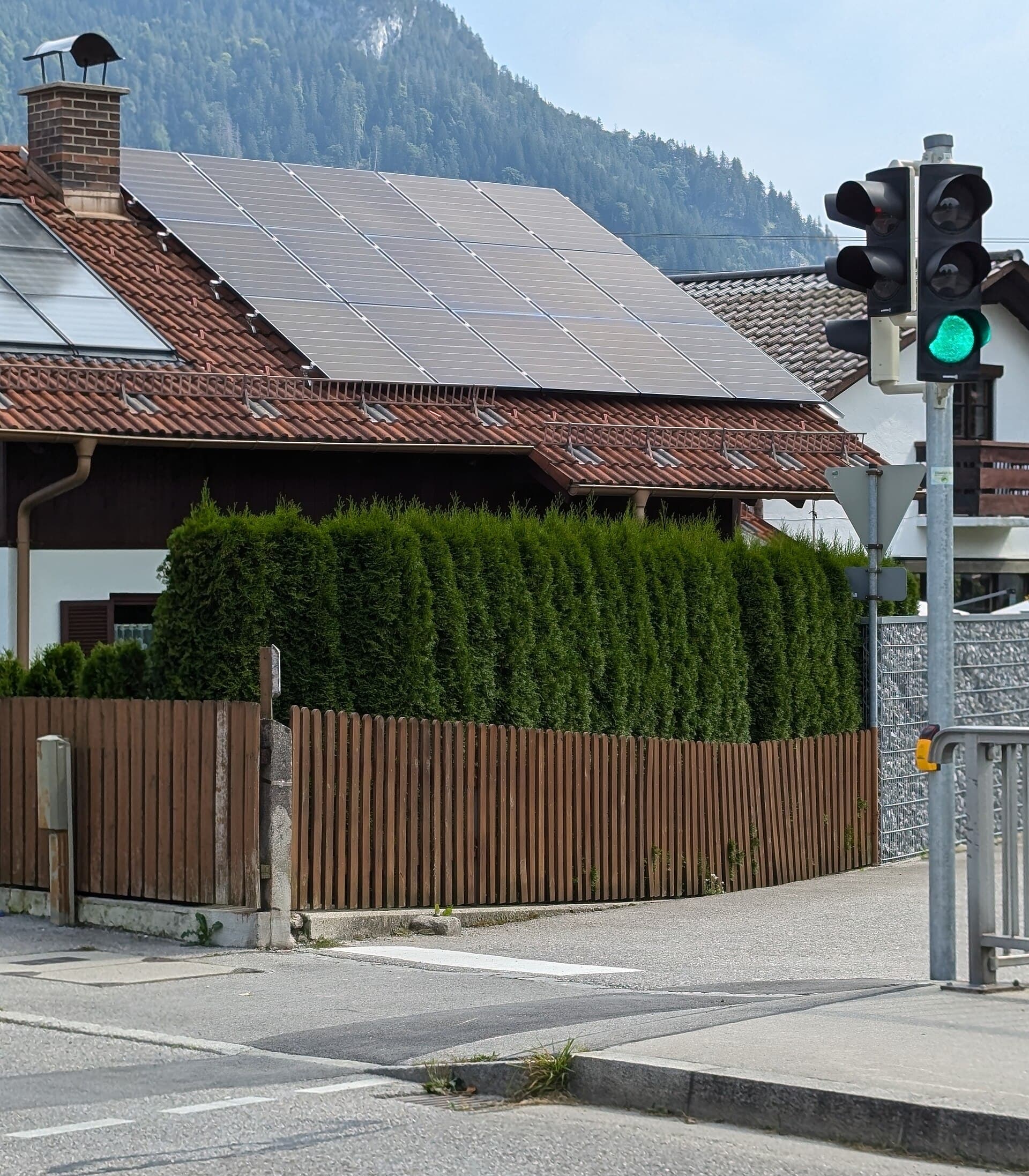
SEC Net-Metering in Saudi Arabia: How to Apply for Rooftop Solar Approval (2026)
5kW, 10kW & 20kW Solar Systems in Saudi Arabia: Real Cost Breakdown 2026
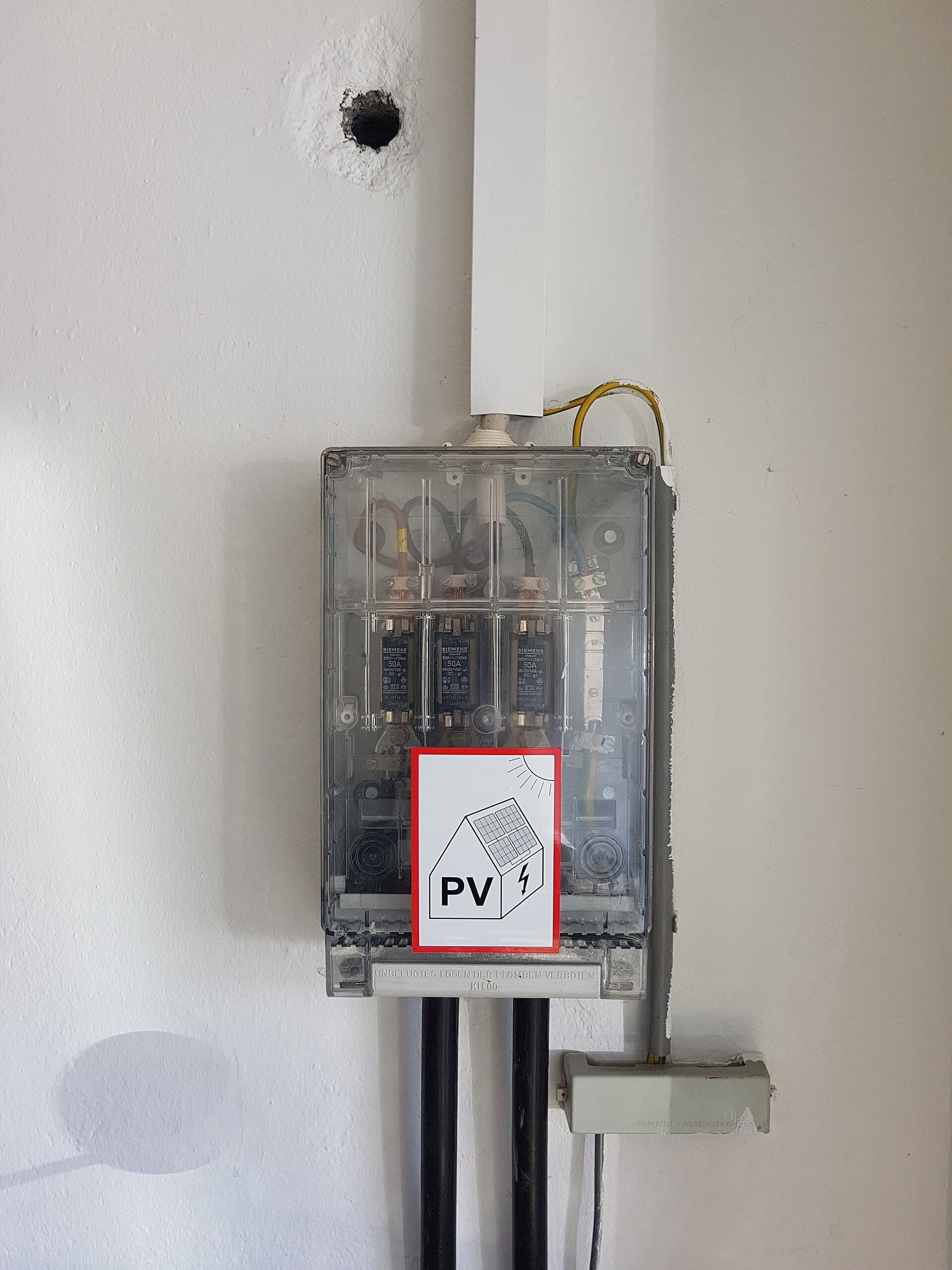
Deye Hybrid Inverter Installation Guide for Saudi Arabia: The Complete Technical Manual (2026)