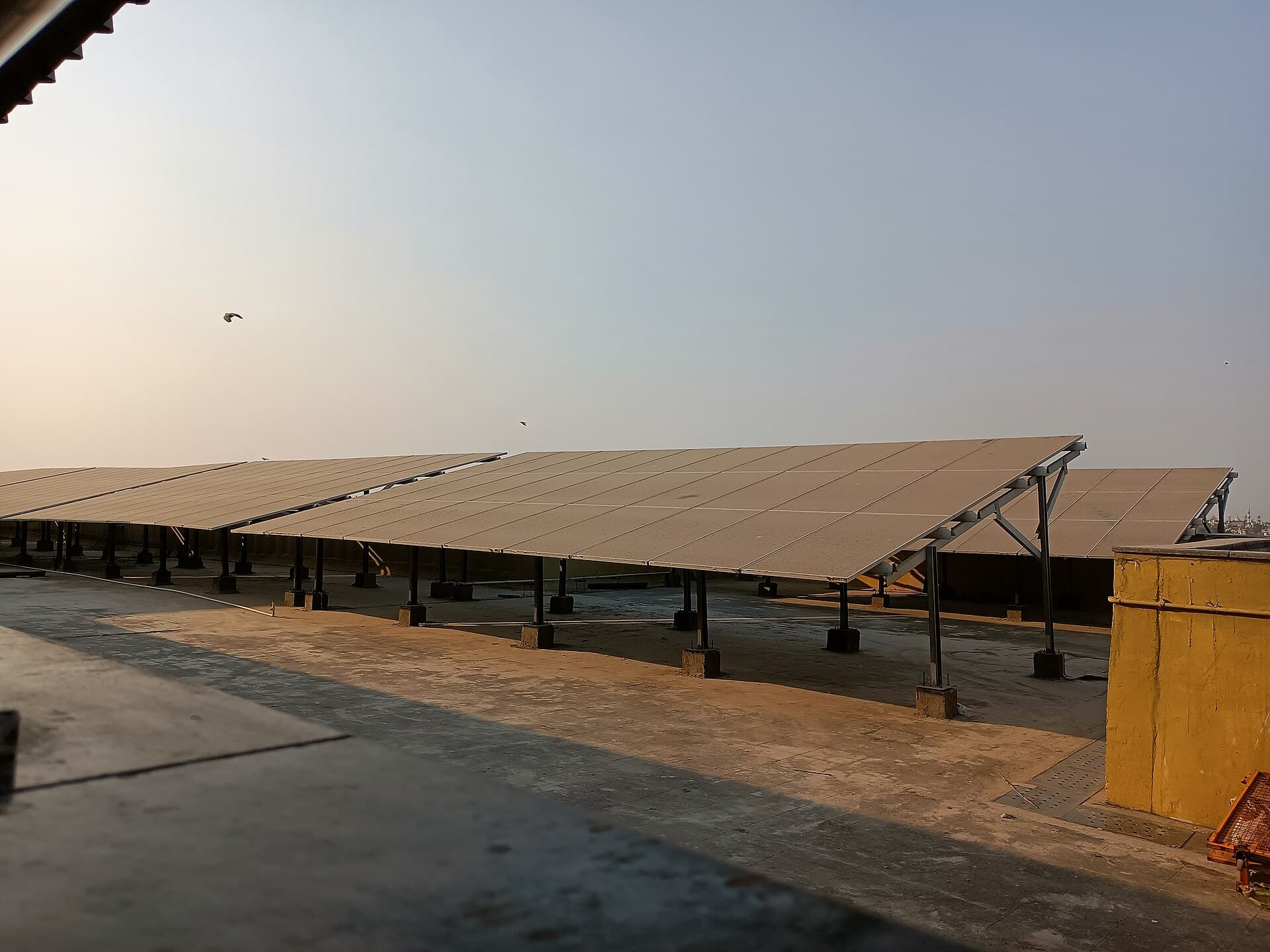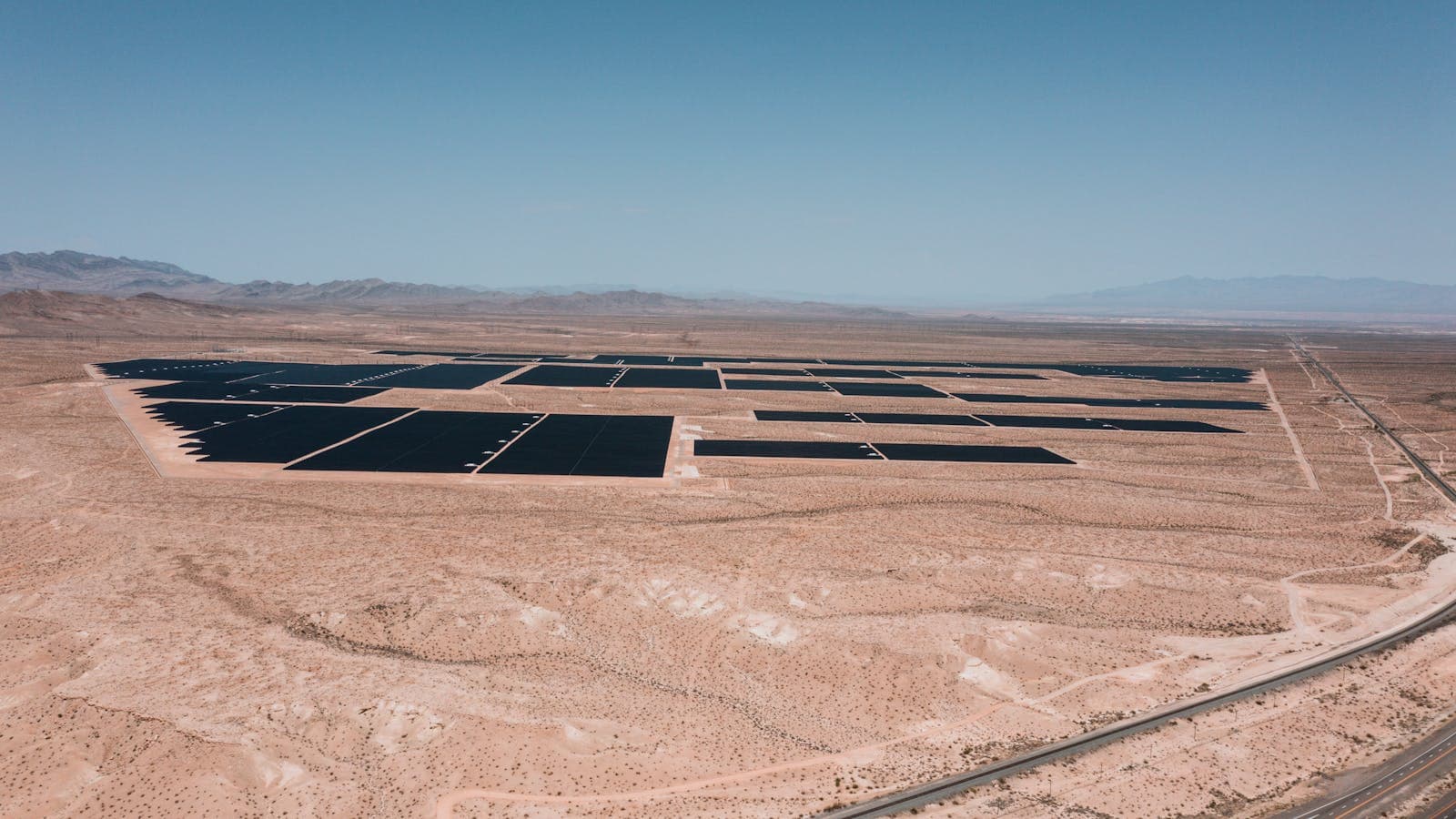
Complete guide to solar installation in Jordan under EMRC regulations. Learn about net metering, system sizing, and equipment requirements for 2026.
Jordan is one of the most progressive countries in the Middle East for solar energy adoption. With limited fossil fuel reserves and high electricity costs, the Kingdom has embraced solar power as a strategic pillar of its energy security. The Energy and Minerals Regulatory Commission (EMRC) oversees the regulatory framework that has made Jordan a regional leader in distributed solar generation.
Why Jordan Is Ideal for Solar Energy
Jordan receives an average of 5.5 peak sun hours per day, placing it among the top solar resource countries globally. The combination of high irradiance, relatively affordable land, and a supportive regulatory environment has driven rapid solar adoption across residential, commercial, and industrial sectors.
Jordan Solar Market at a Glance
- Installed solar capacity: Over 2.5 GW (as of early 2026)
- Solar share of electricity: Approximately 20% of total generation
- Net metering subscribers: Over 70,000 residential and commercial installations
- Average electricity cost: JOD 0.08-0.18/kWh depending on consumption tier
EMRC Net Metering Framework
Jordan's net metering programme, regulated by the EMRC, is one of the most established in the region. Under this framework, consumers can install solar systems and offset their electricity consumption against solar production on a monthly and annual basis.
Key Net Metering Rules
- System size: Must not exceed the subscribed load capacity of the premises
- Wheeling: Consumers can allocate solar credits to multiple meters under the same account (wheeling mechanism)
- Annual settlement: Excess credits at year-end are compensated at a reduced rate
- Three-phase requirement: Systems above 5 kW typically require a three-phase connection
- Equipment approval: All inverters must be type-tested and approved by EMRC
Equipment Requirements and Standards
EMRC requires all grid-connected inverters to comply with Jordanian technical standards based on IEC norms. Key requirements include:
- Anti-islanding protection with automatic disconnection
- Power factor correction capability
- Harmonic distortion within acceptable limits
- Remote monitoring and data logging functionality
Deye hybrid inverters are widely used in Jordan and fully comply with EMRC technical requirements. The SUN-8K and SUN-12K models are popular choices for residential installations, while commercial projects often use Deye's higher-capacity three-phase inverters.
Installation Process in Jordan
- Site assessment: A licensed installer evaluates the property, electrical connection, and roof suitability
- System design: The installer prepares technical drawings and a single-line diagram
- EMRC application: Submit the application through the distribution company (EDCO, JEPCO, or IDECO)
- Approval: The distribution company reviews and approves the design
- Installation: The system is installed by a licensed contractor
- Inspection and metering: The distribution company inspects the installation and installs a bi-directional meter
- Commissioning: The system is energised and begins generating
Cost and ROI for Jordanian Solar Systems
Solar system costs in Jordan have decreased significantly, making the return on investment highly attractive:
| System Size | Approximate Cost (JOD) | Annual Savings (JOD) | Payback Period |
|---|---|---|---|
| 5 kW (apartment) | 2,500 - 3,500 | 600 - 900 | 3 - 4 years |
| 10 kW (villa) | 4,500 - 6,500 | 1,200 - 1,800 | 3 - 4 years |
| 50 kW (commercial) | 20,000 - 28,000 | 6,000 - 9,000 | 3 - 4 years |
Challenges and Considerations
While Jordan's solar market is mature, there are important considerations to keep in mind:
- Grid capacity limits: Some areas have reached grid saturation, causing delays in connection approvals
- Dust and maintenance: Jordan's arid climate requires regular panel cleaning to maintain optimal output
- Policy changes: EMRC periodically adjusts net metering terms, so staying current with regulations is essential
Frequently Asked Questions
How does net metering work in Jordan under EMRC rules?
What is the typical payback period for solar in Jordan?
Are Deye inverters approved for use in Jordan?
Ready for a personalized quote?
WhatsApp us — average reply time under 15 minutes.
Related Articles
Solar Systems in Abu Dhabi — ADDC Regulations and Installation Guide
Solar System Sizing Guide for Middle East & Gulf Region
Deye Hybrid Inverter Installation Guide for Saudi Arabia: The Complete Technical Manual (2026)