Thin-cable high voltage
512 V nominal across a 448-584 V window keeps maximum current at just 20 A.
Deye Solar Inverters & Lithium Batteries: Prices in Yemen — Authorized DistributorDeye 10 kWh 512 V Lithium Solar Battery SS-F10
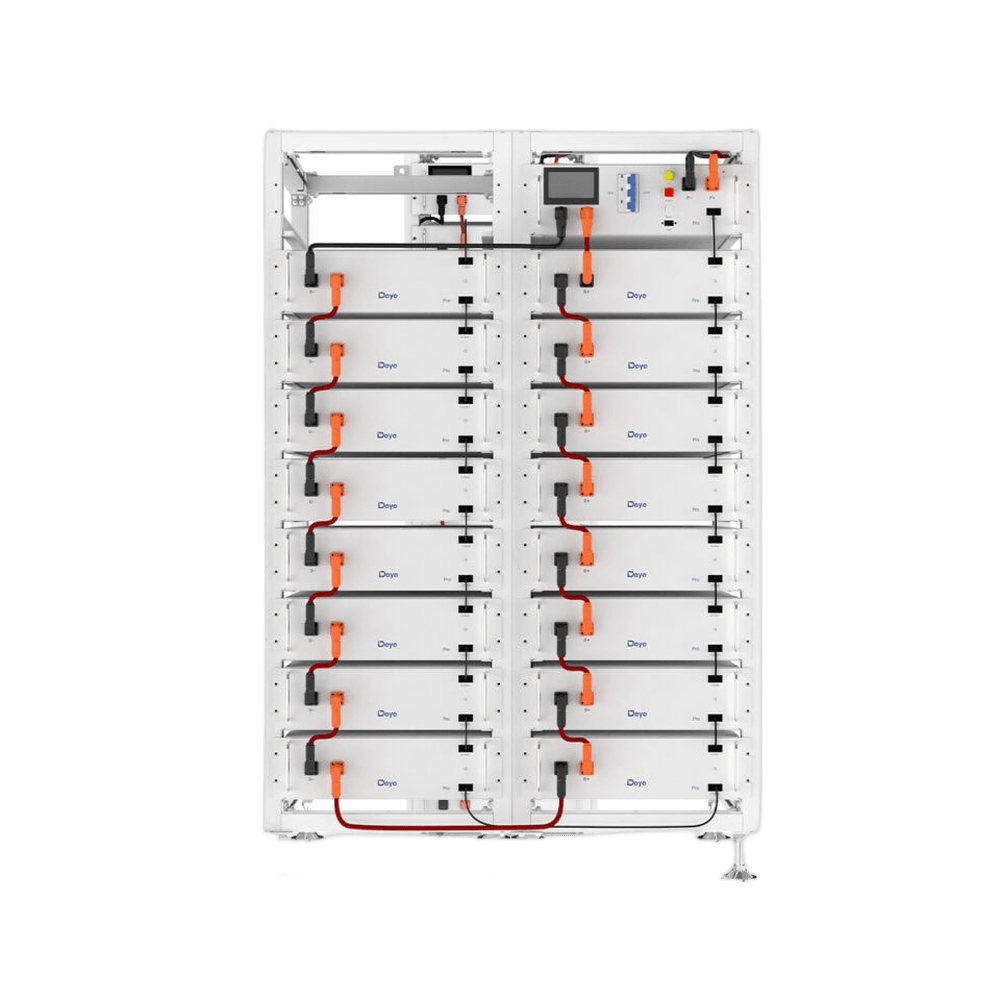
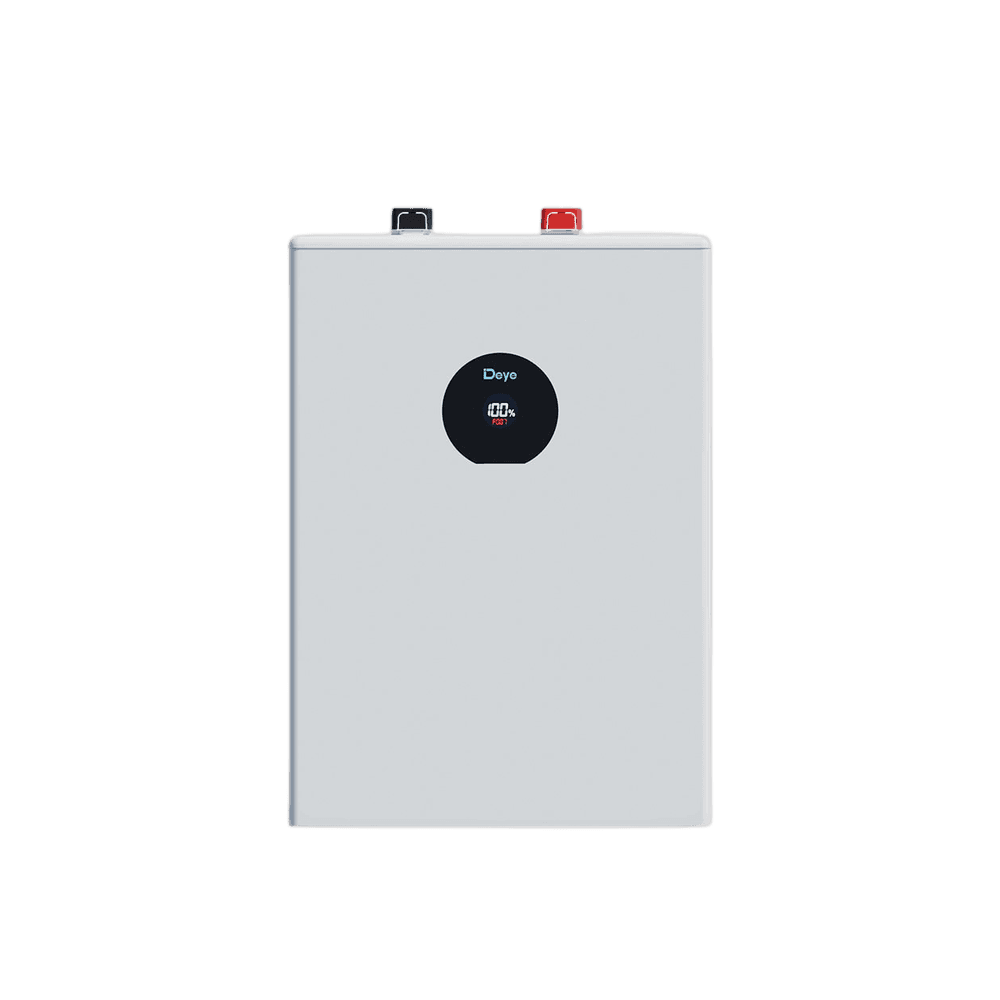
A 10 kWh high-voltage (512 V) LiFePO4 wall battery with IP65 protection, charging down to -20 degrees Celsius and up to six units in parallel for a stated 60 kWh.
Authorised Deye distributor for Yemen — certificate No. GFKFLFI1.
Deye SS-F10, 10 kWh, is also searched as solar battery.
Deye battery SS-F10 price in Yemen: USD 1,634.
In stock
A reference price in Yemen: this market is supplied wholesale, at trade prices and quantity terms, delivered within 15 business days.
Become our retailer in your country and get wholesale pricingSize the system for this unitPre-sized systems
Or collect it yourself — no carriage
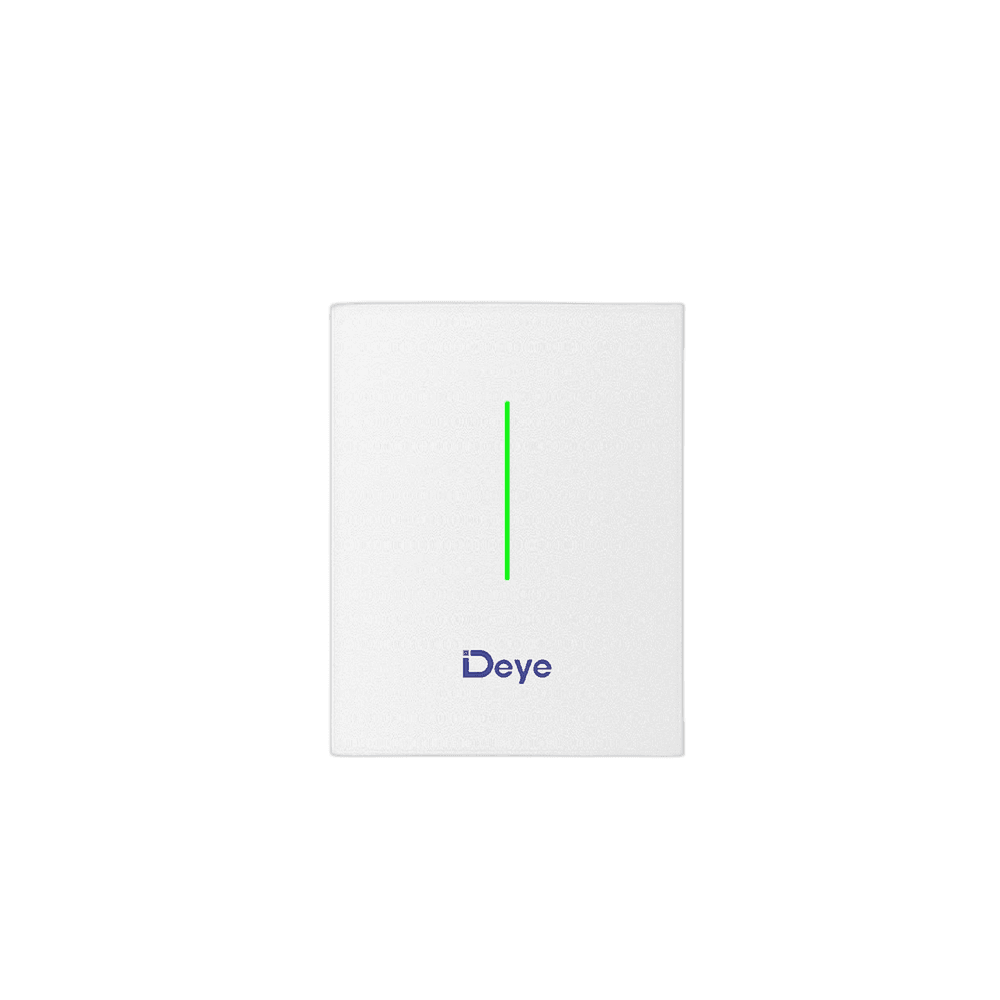
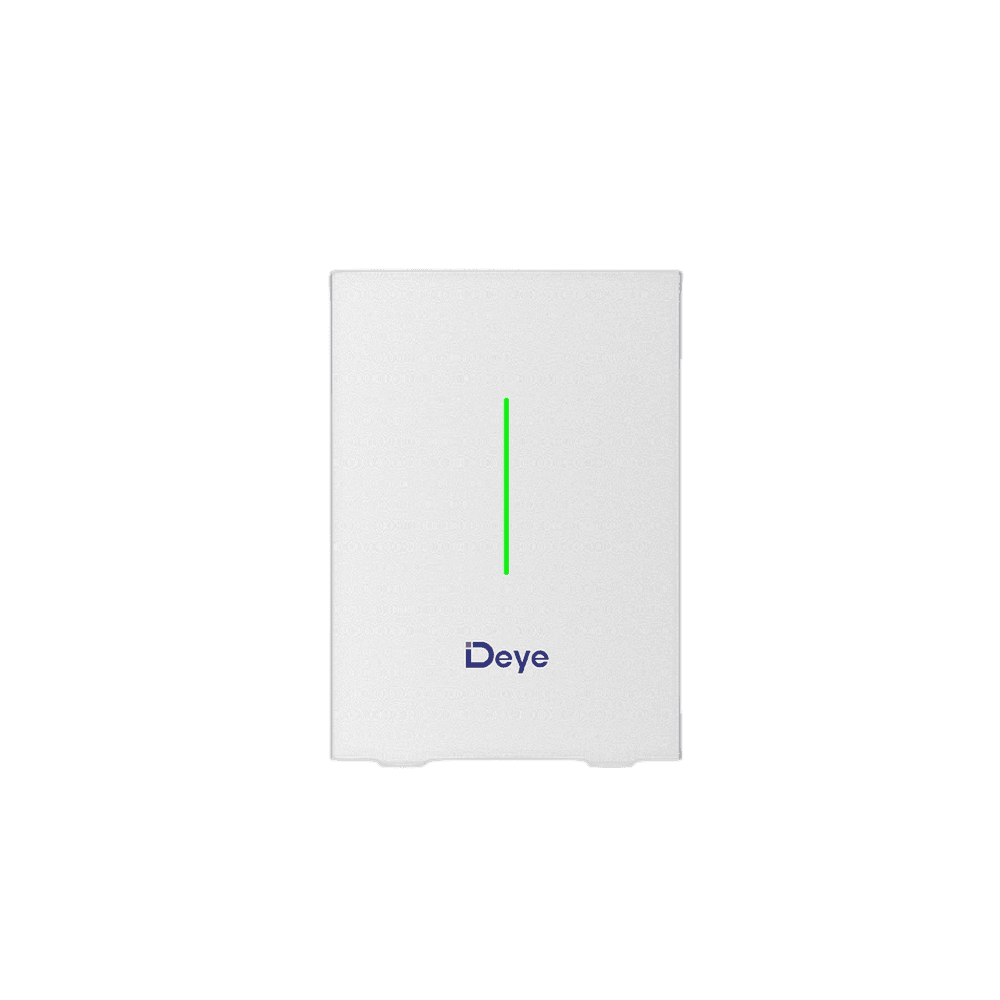
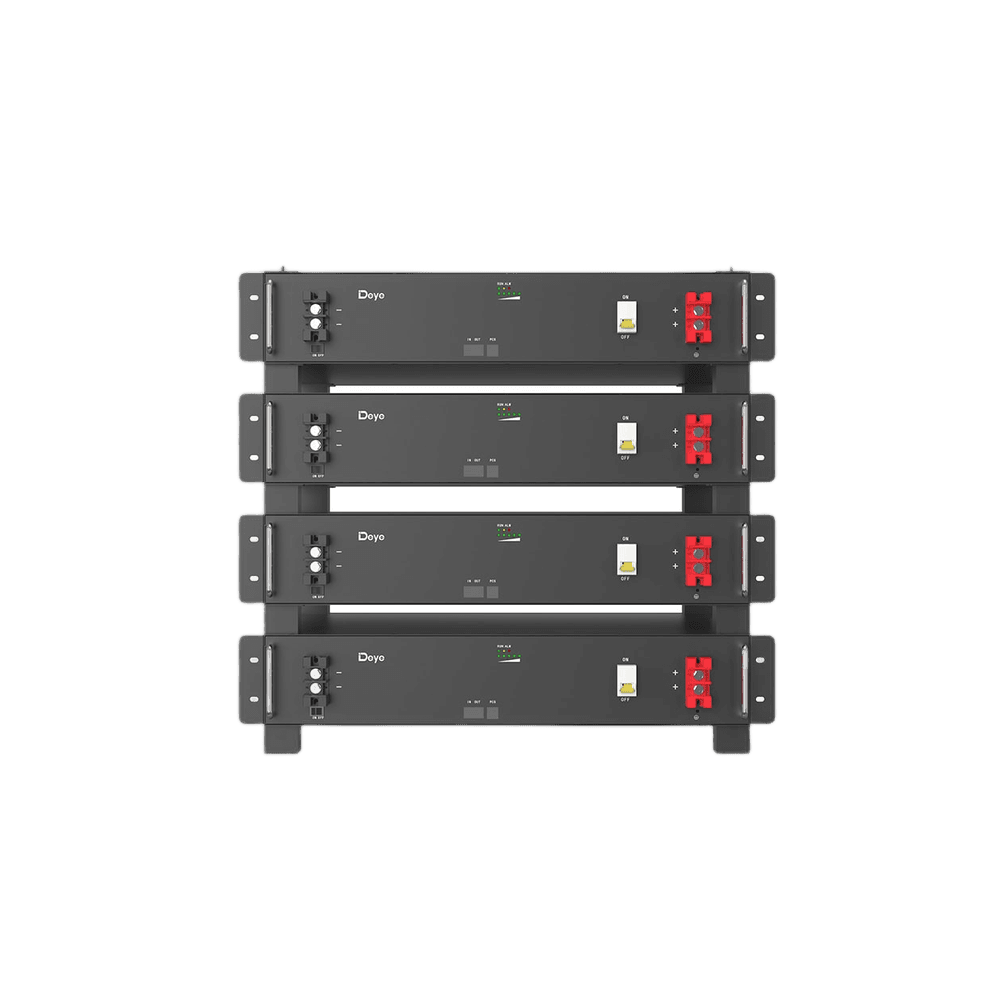
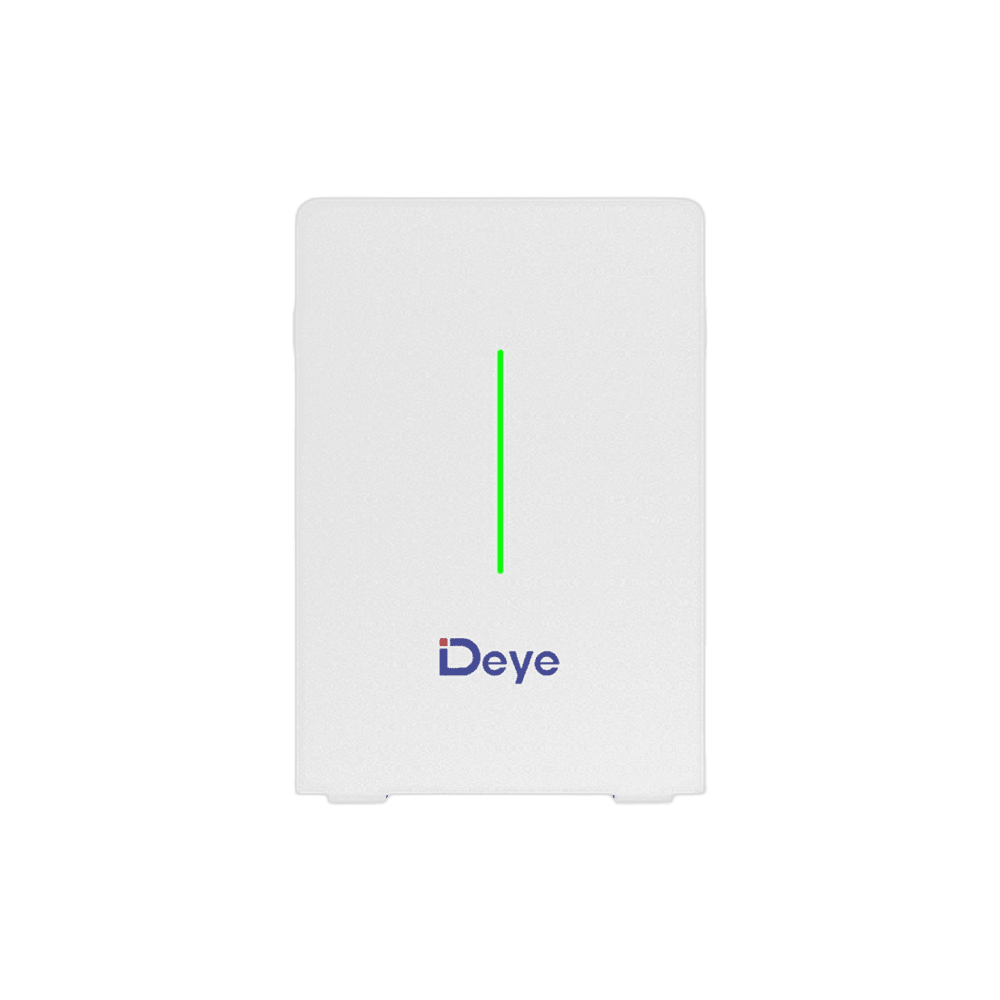
High-voltage architecture keeps currents small and cables thin: at 512 V nominal, the Deye SS-F10 moves 10 kWh with a maximum of just 20 A, operating across a 448-584 V window with high-voltage battery inverters. The IP65 enclosure shrugs off dust and water, and the pack both charges and discharges from -20 to 55 degrees Celsius - cold mornings included - with humidity tolerance up to 100%. Six units can parallel into a stated 60 kWh system. A master-slave BMS with passive balancing manages the LiFePO4 cells, optional DC arc detection adds a further safeguard, and SOC plus fault codes surface on the indicator. Rated beyond 6,000 cycles to 70% end-of-life capacity with a recommended 90% depth of discharge, the 85 kg, 850 x 650 x 170 mm slab mounts on a wall or floor and carries a stated 10-year warranty. Communication with the inverter runs over CAN2.0 and RS485. We are an authorised Deye distributor and supply the SS-F10 from our own stock, with technical support before and after the sale.
Specifications last updated 24 January 2026
| Energy | 10 kWh |
|---|---|
| System Energy | 10 kWh |
| Max. Capacity | 60 kWh |
| Nominal Voltage | 512 V |
| System Nominal Voltage | 512 V |
| Operating Voltage | 448-584 V |
| Rated Capacity | 20 Ah |
| Cell Chemistry | LiFePO4 |
| Cycle Life | >6000 |
| End-of-Life Capacity | 70 % |
| Recommended Depth of Discharge | 90 % |
| Max. Charge Current | 20 A |
| Max. Discharge Current | 20 A |
| Max. Charge/Discharge Current | 20 A |
| Recommended Charge/Discharge Current | 10 A |
| Min. Battery Module Quantity | 1 |
| Parallel Units | 6 |
| Protection Features | Master-Slave BMS, Passive Balancing, DC Arc Detection (optional) |
| Warranty (Years) | 10 |
| Communication Ports | CAN2.0, RS485 |
|---|---|
| Dimensions | 850 x 650 x 170 mm |
| Status Indicator | SOC, fault codes |
| Weight | 85 kg |
| Altitude | <3000 m |
|---|---|
| Charge Temperature | -20 to 55 °C |
| Discharge Temperature | -20 to 55 °C |
| Operating Humidity | 0-100 % |
| Installation Location | Wall-Mounted, Floor-Mounted |
| Enclosure IP Rating | IP65 |
| Storage Temperature | 0-35 °C |
| Working Temperature | Charge/Discharge: -20 to 55 °C |
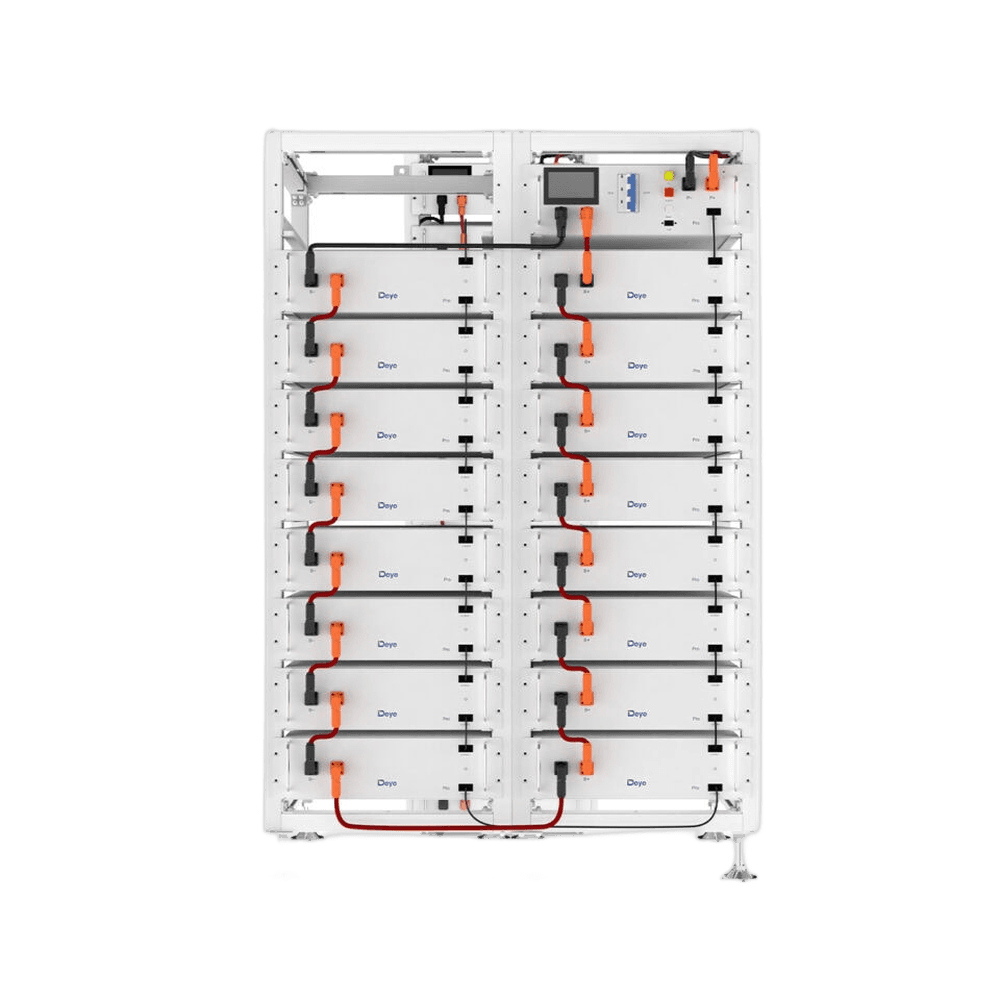
19 Deye battery records state a 0-55 °C charge window, five state -20 to 55 °C, and 30 state a 0-35 °C storage window. What those three figures mean for a garage in a UAE summer.
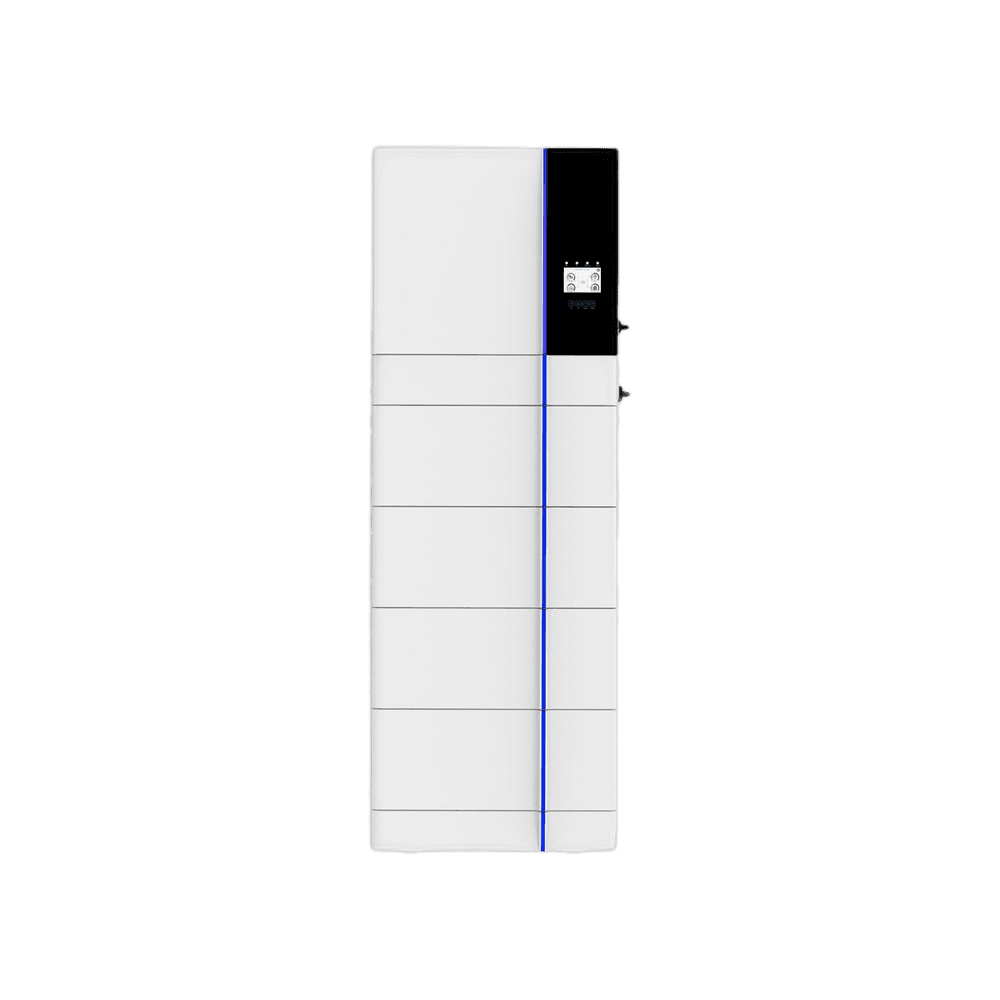
Read: Can You Put a Solar Battery in a Dubai Garage? →Every capacity the Deye battery records state: 20, 39, 40, 100, 120, 200, 208, 235, 280 and 314 Ah, 1.28 to 4340 kWh — and how your own figure gets built.
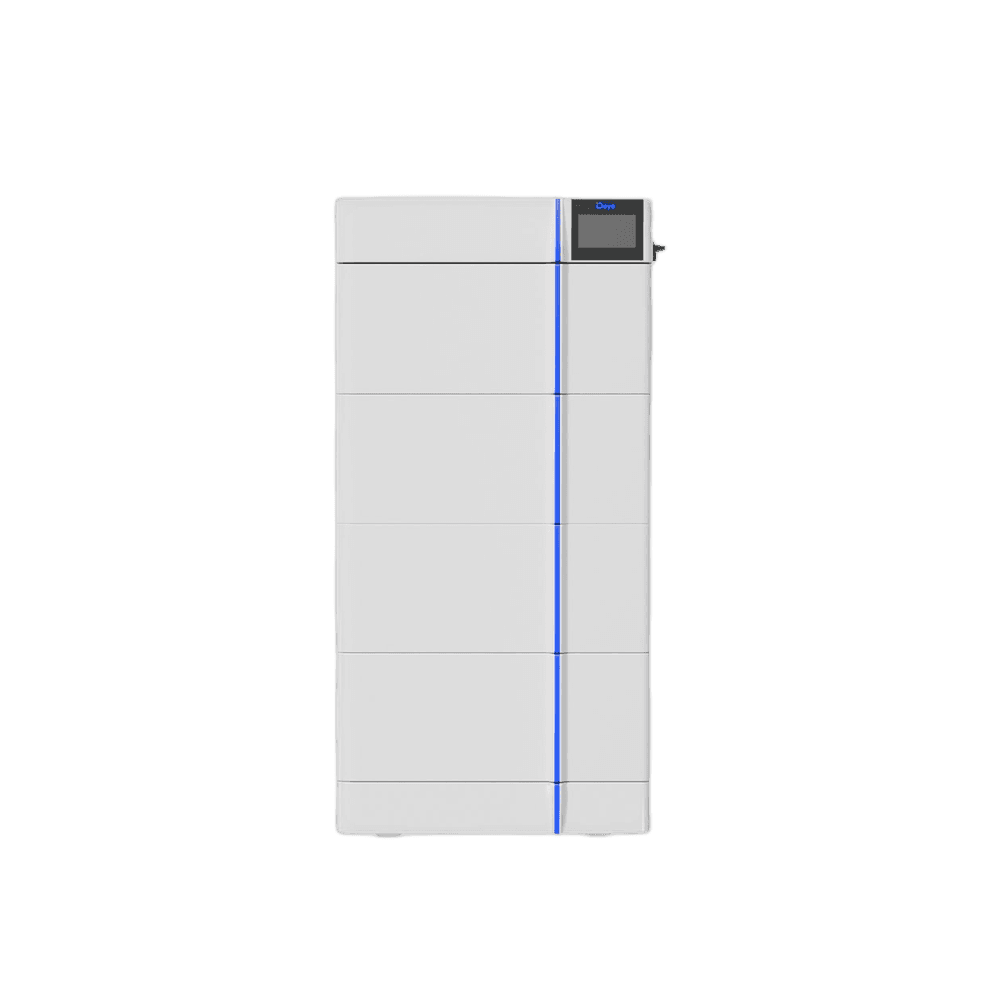
Read: Deye Battery Capacities in Saudi Arabia: 20 Ah to 314 Ah →What does Batt-V mean on a Deye inverter? Understand the Deye battery type setting and how to choose between low-voltage (SE-G5.1, SE-F5, RW) and high-voltage (GB-L Pro, BOS-G, BOS-A) batteries for your system.
Read: Deye Battery Type Explained: Batt-V, Low-Voltage vs High-Voltage →A high-voltage battery inverter: the SS-F10 runs at 512 V nominal across a 448-584 V operating window.
Its IP65 rating and 0-100% humidity tolerance are built for demanding placements, with operation from -20 to 55 degrees Celsius; altitude must stay below 3,000 m.
No - charging is specified down to -20 degrees Celsius, the same lower bound as discharge.
Up to six units in parallel, for a stated maximum of 60 kWh.
A master-slave BMS with passive balancing, and optional DC arc detection; the recommended operating current is 10 A against a 20 A maximum.