Can You Put a Solar Battery in a Dubai Garage?
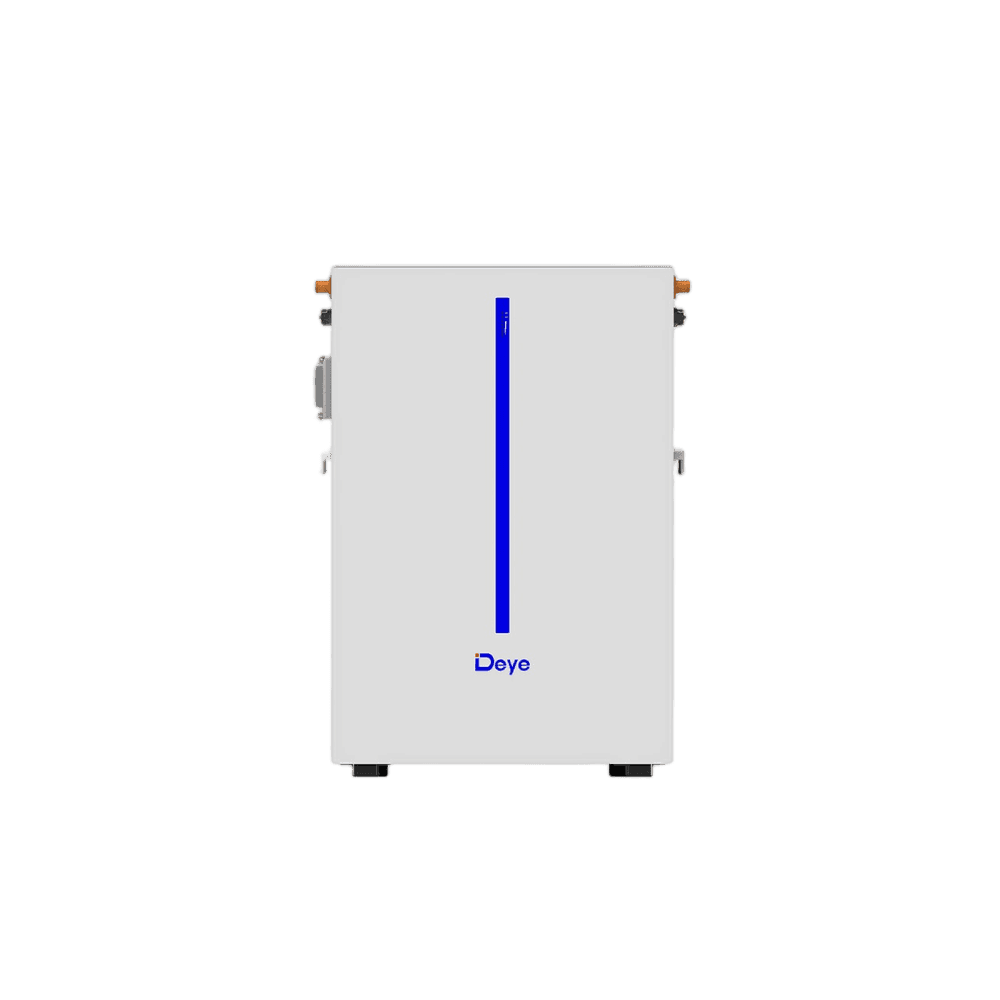
19 Deye battery records state a 0-55 °C charge window, five state -20 to 55 °C, and 30 state a 0-35 °C storage window. What those three figures mean for a garage in a UAE summer.
The garage is the obvious place. There is a wall, there is floor space, it is out of the living area, and the cabling run to the board is short. Almost every Dubai homeowner planning storage arrives at the same answer within about a minute.
Then a fairer question turns up: how hot does that garage actually get in August, and does the battery still charge when it is that hot? This one has a published answer. Every Deye battery record carries a charge temperature range, a discharge range and a storage range — three separate windows — and the difference between them decides whether your garage is a good home for a battery or a slow way to lose one.
We are an authorised Deye distributor based in Deira, Dubai. Order online: every model in the catalogue shows its price, and checkout takes a minute.
Products mentioned in this article
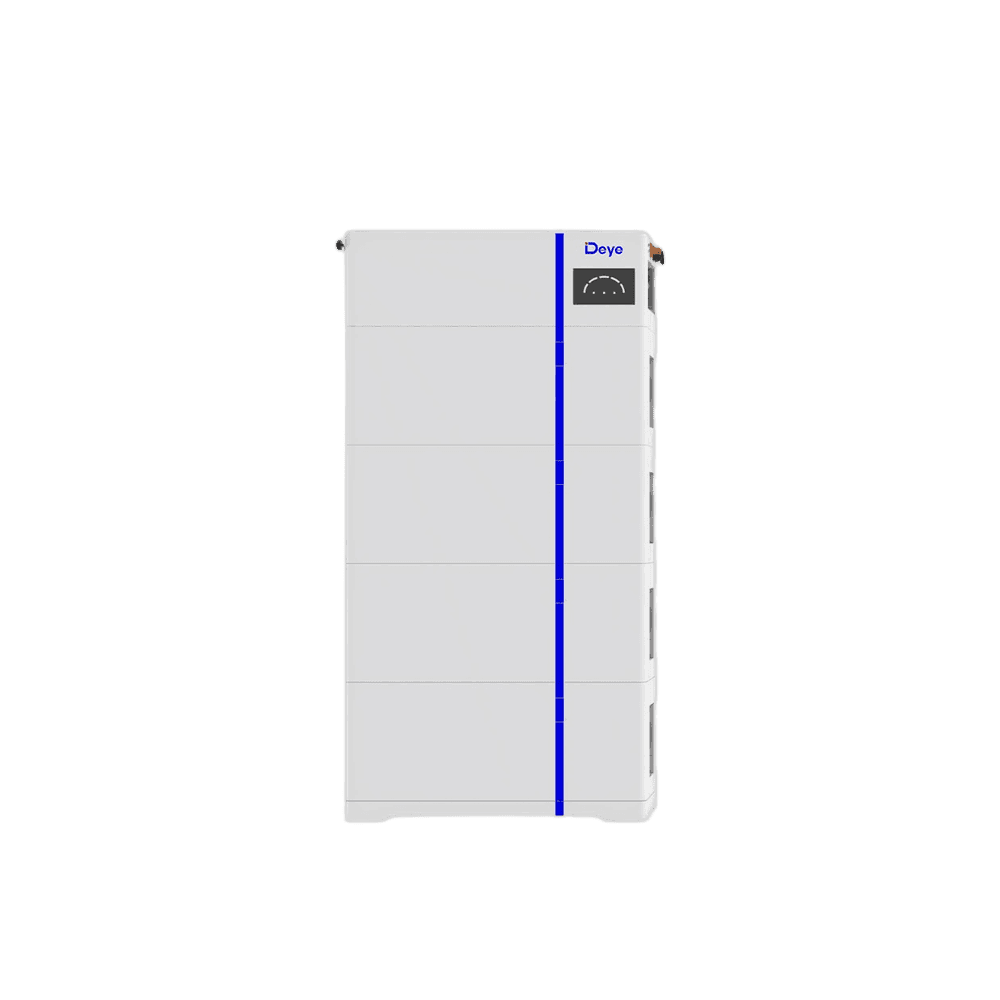
Deye 5.12 kWh 51.2 V Lithium Solar Battery AI-W5.1-B

- Energy
- 5.12 kWh
- Usable Energy
- 4.6 kWh
- Nominal Voltage
- 51.2 V
- Cycle Life
- >6000
Price incl. VATAED 2,530
Deye 6.14 kWh 51.2 V Lithium Solar Battery RW-M6.1-B
- Energy
- 6.14 kWh
- Usable Energy
- 6.14 kWh
- Nominal Voltage
- 51.2 V
- Cycle Life
- >6000
Price incl. VATAED 6,278
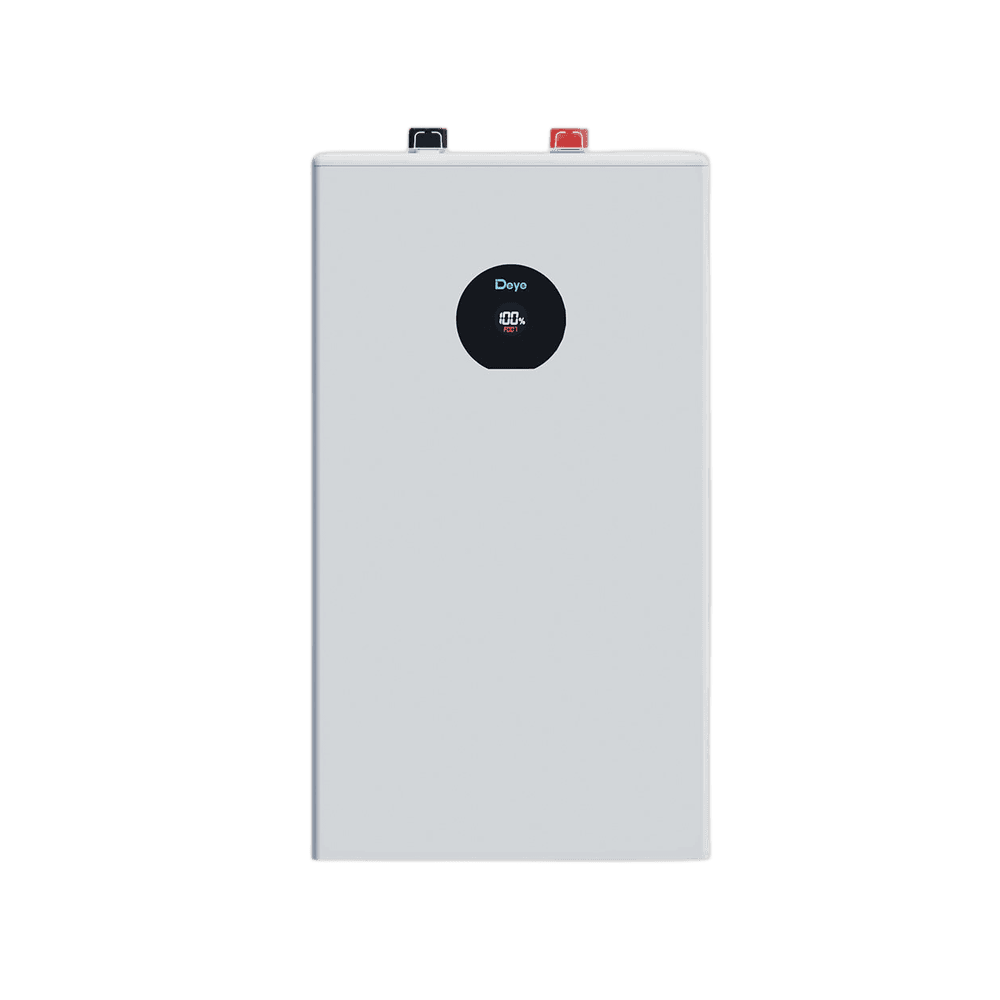
Deye 16 kWh 51.2 V Lithium Solar Battery SE-F16
- Energy
- 16 kWh
- Usable Energy
- 14.4 kWh
- Nominal Voltage
- 51.2 V
- Cycle Life
- >6000
Price incl. VATAED 6,180
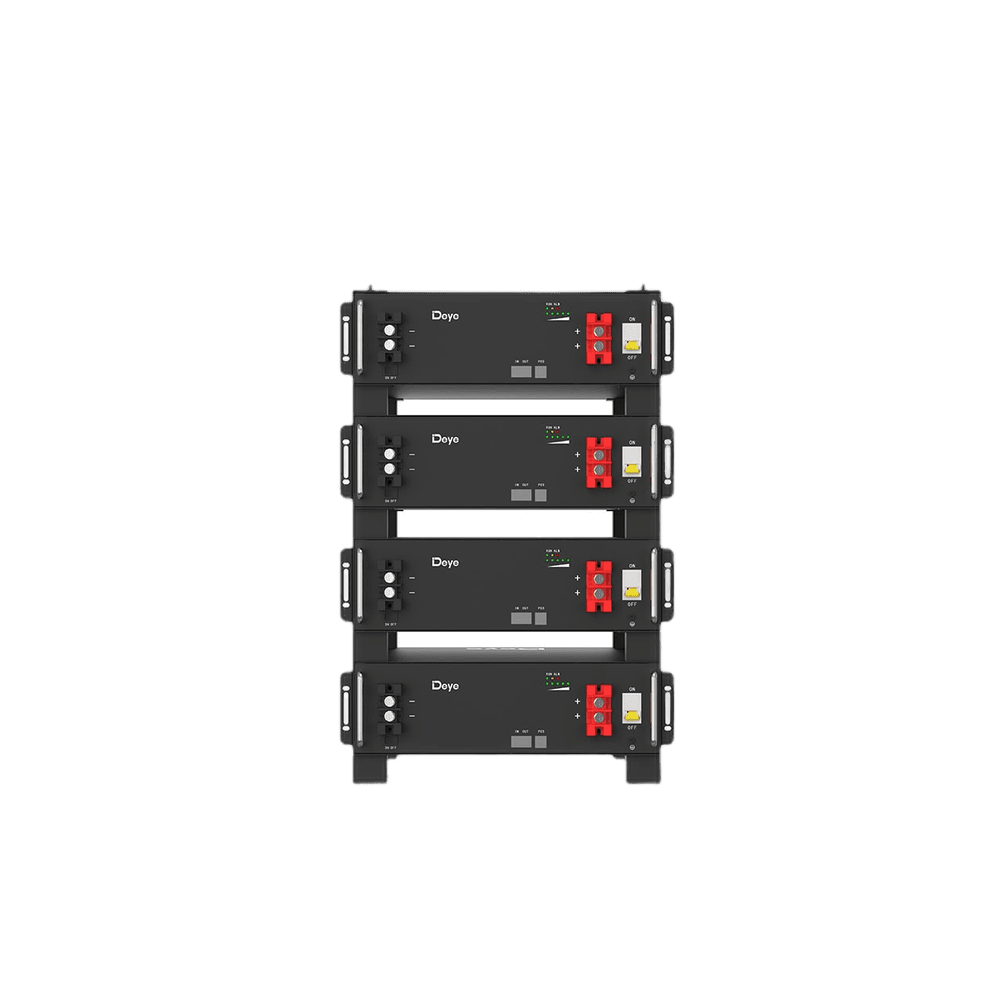
Deye 5.12 kWh 51.2 V Lithium Solar Battery SE-G5.1
- Energy
- 5.12 kWh
- Usable Energy
- 4.1 kWh
- Nominal Voltage
- 51.2 V
- Cycle Life
- >6000
Price incl. VATAED 2,520
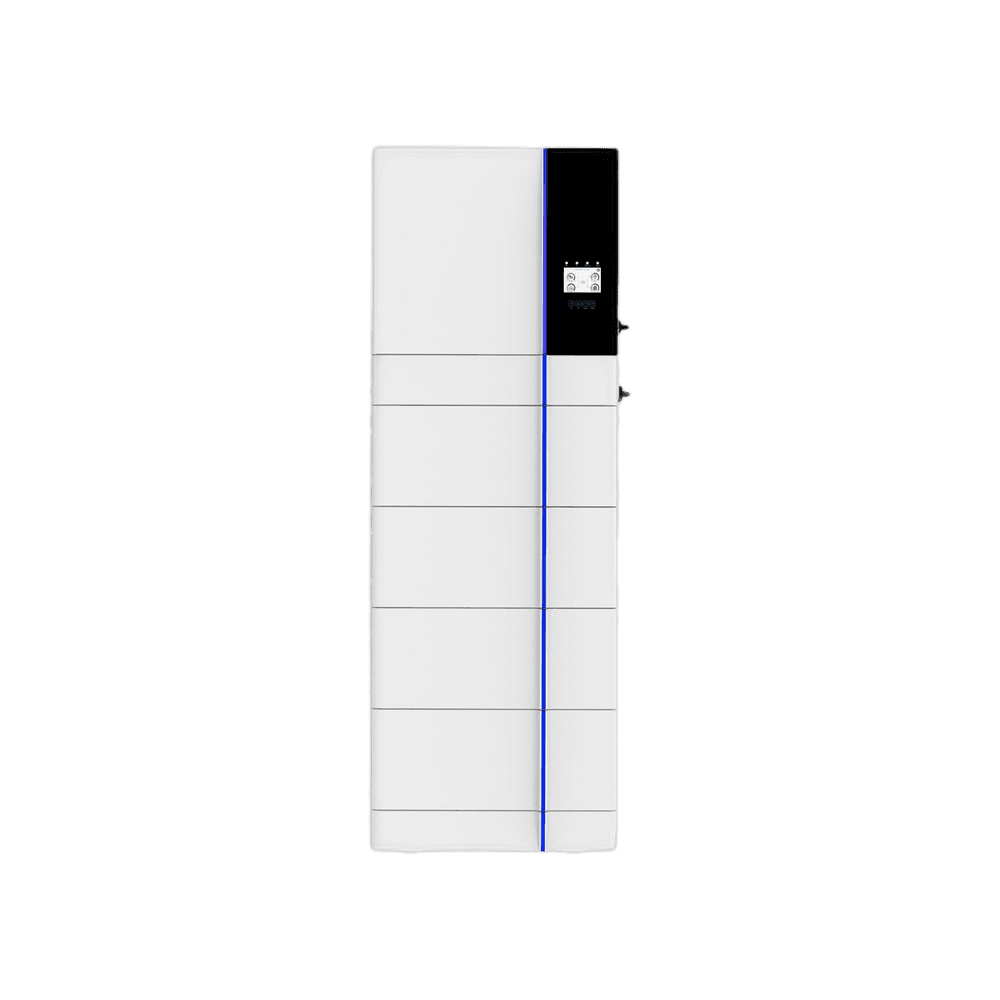
Deye 8.18–24.54 kWh 204.8–614.4 V Lithium Solar Battery GB-SL
- System Energy
- 8.18-24.54 kWh
- Usable Energy
- 7.36-22.08 kWh
- System Nominal Voltage
- 204.8-614.4 V
- Cycle Life
- >6000
Price incl. VATAED 2,400
Deye 10.2 kWh 51.2 V Lithium Solar Battery RW-F10.2
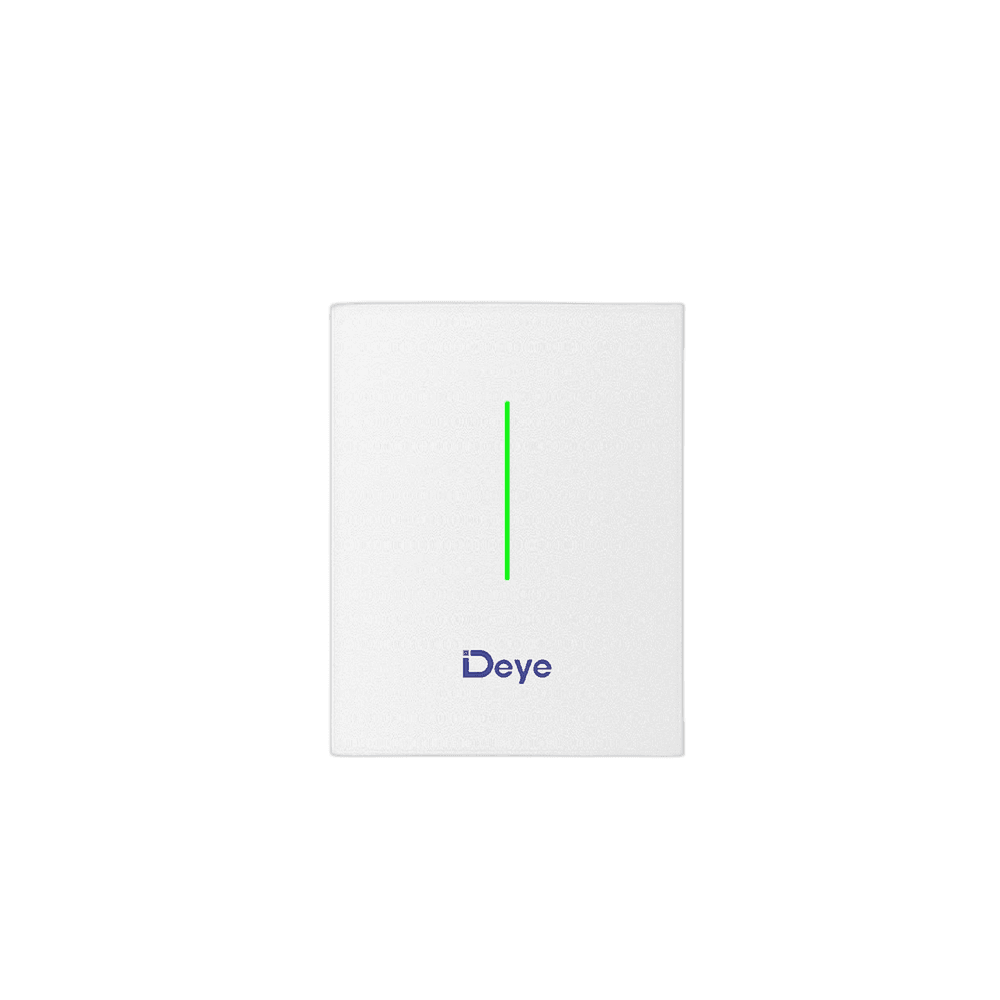
- Energy
- 10.2 kWh
- Usable Energy
- 9.2 kWh
- Nominal Voltage
- 51.2 V
- Cycle Life
- >6000
Price incl. VATAED 11,777
Can you put a solar battery in a Dubai garage?
Yes, if two conditions hold: the garage stays inside the battery's charge window, and the enclosure rating suits the space. Of the 34 Deye battery records, 19 state a charge temperature range of 0 to 55 °C and five state -20 to 55 °C. The low end varies; the high end is 55 °C on every one of them. That ceiling is the number a UAE summer tests. Discharging is more forgiving — 26 records state a discharge range of -20 to 55 °C — but the tightest figure in the whole battery set is not either of those. It is storage: 30 of the 34 records state a storage temperature range of just 0 to 35 °C. A battery in a ventilated, shaded garage is usually fine. A battery in a sealed, sun-facing garage, or one left sitting disconnected in an unconditioned store room, is being asked to live outside a window it publishes.
Three temperature columns, and they do different jobs
| Column | What it governs | Across the 34 Deye battery records |
|---|---|---|
| Charge temperature | When the pack is allowed to take energy in | 0-55 °C on 19; -20 to 55 °C on 5; 1-55 °C on 1; two extend to -20 with heating on; one has an optional -20 low end; 6 not stated |
| Discharge temperature | When the pack is allowed to give energy out | -20 to 55 °C on 26; -20 to 60 °C on 1; -20 to 50 °C on 1; 6 not stated |
| Storage temperature | The pack sitting idle and disconnected | 0-35 °C on 30; the rest stated differently or not stated |
Read that table once and the Dubai problem reframes itself. The cold end of the charge window — the -20 °C variants, the heating options — is a European and mountain-market feature; it will never bind in a Dubai garage. What binds here is the 55 °C ceiling on charging and the 35 °C ceiling on storage, and those two are the ones worth checking against a real thermometer reading from your own building.
What actually happens above the charge window
The pack stops accepting charge. Temperature protection is listed among the BMS protection features on the Deye battery records, alongside over-charge, over-discharge, over-current and cell balancing, and the charge temperature range is the window in which the record says charging is permitted.
The practical consequence is worth stating plainly, because it is the opposite of what people expect. A battery that cannot charge does not announce itself with a fault light and a phone call. It simply sits at whatever state of charge it reached, while the array's afternoon surplus has nowhere to go — on the hottest day of the year, which is precisely the day you wanted the stored energy for the evening. The system looks like it is working. It is just not filling up.
The charge windows across the Deye battery range
| Stated charge range | Records | Examples |
|---|---|---|
| 0 to 55 °C | 19 | SE-G5.1, SE-F5 Pro, SE-F12, SE-F16, SE-G10.2, RW-F16, the BOS family |
| -20 to 55 °C | 5 | GB-A, GB-L Pro, GB-SL, SS-F5, SS-F10 |
| 0 to 55 °C, extending to -20 with heating on | 2 | AI-W5.1-B, RW-M6.1-B |
| 1 to 55 °C | 1 | RW-F10.2 |
| 0 to 55 °C, optional -20 | 1 | SE-G5.1 Pro-B |
| Not stated | 6 | — |
Every band in that table shares the same upper limit. So in a Dubai garage the charge window is not really a model-selection question — it is an installation question, answered by ventilation, shade and where on the wall the cabinet goes.
Storage temperature: the figure that catches people out
30 of the 34 records state a storage range of 0 to 35 °C, and that is a much tighter window than either the charge or the discharge range. It applies to a pack sitting idle and disconnected — waiting on a shelf between phases of a build, held in a store room after a system is decommissioned, or sitting in a container while a villa is finished.
An unconditioned store room or garage in Dubai spends months above 35 °C. If a battery is going to sit unused for a season, the storage window says it should sit somewhere conditioned, not somewhere convenient. This is the single most common way a perfectly good pack gets treated worse than its own record allows, and it costs nothing to avoid.
The enclosure decides which garage
A garage is not one kind of room. Some are sealed, air-conditioned and clean; some have an open door, a washdown hose and a layer of dust on everything. The ingress rating tells you which battery belongs in which.
| Enclosure rating | Records | What it suits |
|---|---|---|
| IP65 | 10 | Dust-tight and protected against water jets — a garage with an open door, blown sand or washdown |
| IP20 | 12 | Indoor only, clean and dry — a conditioned utility space, not an open garage |
| IP21 | 5 | Indoor, with limited protection against dripping water |
| IP55 | 3 | Dust-protected and protected against water jets |
| IP54 | 3 | Dust-protected and splash-protected |
The IP65 group is the one to look at for a real Emirati garage: AI-W5.1-B, GB-A, GB-L Pro, GB-SL, RW-F10.2, RW-F10.2-B, RW-L2.5A, RW-M6.1-B, SS-F5 and SS-F10. If the garage is genuinely a sealed, cooled room, the IP20 and IP21 cabinets — SE-G5.1, SE-F5 Pro, SE-F12, SE-F16, SE-G10.2 and the BOS racks among them — become available, and they include some of the highest charge currents in the range.
Wall, floor or rack?
The records state where each pack is designed to go, and it is not a free choice. Eight records are floor-mounted only. Eight are stated as wall or floor. Five are rack-mounted. Five are wall, floor or stacked. Others name specific combinations, including one that requires a cabinet deeper than 600 mm.
In a garage this matters more than it sounds. A floor-mounted cabinet in a car park is in the zone that collects washdown water, dust and knocks from a reversing vehicle. A wall-mounted pack clears all three, but the wall has to take the weight — the RW-M6.1-B is 58 kg, the AI-W5.1-B is 74.5 kg, the SE-F16 is 109 kg. Check the wall before you check the price.
Making a Dubai garage work for a battery
- Measure before you decide. Leave a max/min thermometer in the garage for a week in August. That single reading tells you more than any generic advice, including this article's.
- Ventilate. A cross-draught, a louvre or an extractor is the difference between a garage that tracks outdoor shade temperature and one that runs well above it.
- Keep the pack off the hottest wall. A wall shared with the outside on the west side of the house is the worst position in the room.
- Leave clearance. A cabinet pushed against a wall, boxed in by shelving or covered by stored items cannot shed heat, whatever the room temperature says.
- Check the humidity column too. The records state permissible humidity ranges that vary by model — 0-95 % on twelve records, 5-85 % on eight, 5-95 % on five, 0-100 % on two, among others.
- If the garage cannot be made to work, look at a shaded, ventilated utility space instead. The battery does not care that the garage was convenient.
What every Deye battery record agrees on
- Cell chemistry is LiFePO4 on all 34 records.
- Cycle life is stated as more than 6,000 cycles on all 34.
- End-of-life capacity is stated as 70 % on all 34.
- A warranty term of ten years is stated on 27 of the 34 records.
- Altitude is stated as under 2,000 m on 16 records and under 3,000 m on 16 — neither of which will ever bind in the UAE.
So the chemistry, the cycle life and the end-of-life figure are not where these packs differ. They differ in usable energy, charge current, enclosure and — for a Dubai garage — the temperature windows above.
Where to get the answers we cannot give you
We can give you the three temperature windows, the enclosure rating, the mounting options and the weight of any battery in the range, because those are published in the technical record. Two answers are not ours.
The first is your garage's actual temperature — nobody can publish that, and a thermometer left in place for a week costs almost nothing and settles it completely. The second is your connection: rooftop solar in Dubai is approved and metered through DEWA and its enrolled contractors, and the process, conditions and any fees are theirs to state, not ours. Get both answers, send them to us, and we will name a battery that fits the room you actually have.
To buy, open the catalogue, add the model to the cart and check out online.
Frequently Asked Questions
How hot can a solar battery get before it stops charging?
Is a garage a good place for a home battery in the UAE?
Which Deye batteries are rated IP65 for a dusty garage?
What is the storage temperature range on a solar battery, and why does it matter?
Can I wall-mount a solar battery in my garage?
Do all Deye batteries use the same cells?
- #solar battery
- #Dubai
- #garage installation
- #charge temperature
- #LiFePO4
- #battery storage
- #IP65
Ready to order?
Every unit in the catalogue carries its price — add it to the cart and order online, then collect it from our store in Dubai or Riyadh.