Best Solar System for a Villa in Dubai: Choosing the Inverter and Battery
Which Deye inverter and battery suit a Dubai villa, sized from the real records: single-phase vs three-phase, AC passthrough, usable battery energy and where the unit can be mounted.
You want a smaller DEWA bill and a house that does not go dark when the street does. That is one question with two halves, and in a Dubai villa the inverter answers the first half while the battery answers the second — which is why picking either one on its own usually ends with a system that does one job well and the other badly.
The short version: a Dubai villa is almost always a hybrid job. A hybrid inverter runs the house from the roof during the day, stores what the house does not use, and carries the essential circuits when the grid drops. Everything below is read off the Deye technical records for the units we actually stock, so every figure here is a figure you can hold us to.
We are an authorised Deye distributor, working out of Deira, Dubai. To buy, open the catalogue, add the model to the cart and check out online.
Products mentioned in this article
Deye 6.14 kWh 51.2 V Lithium Solar Battery RW-M6.1-B

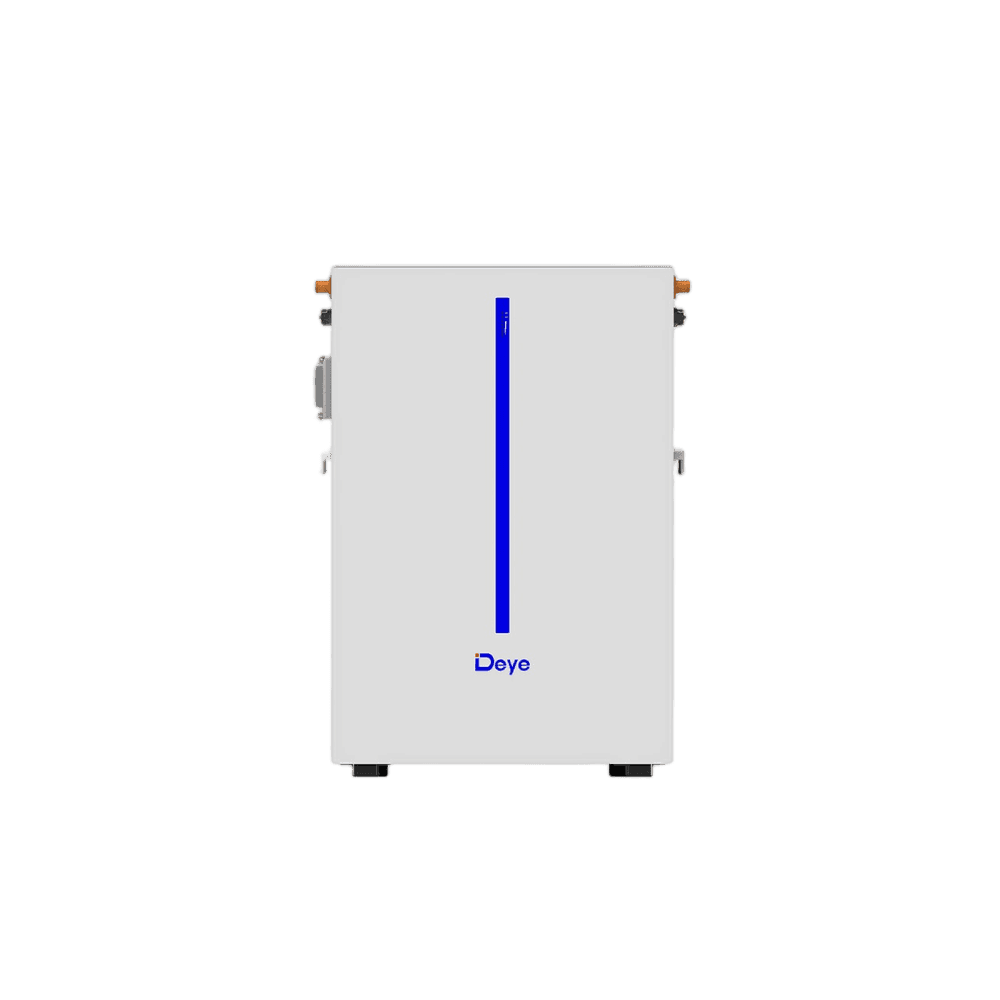
- Energy
- 6.14 kWh
- Usable Energy
- 6.14 kWh
- Nominal Voltage
- 51.2 V
- Cycle Life
- >6000
Price incl. VATAED 6,278
Deye 5.12 kWh 51.2 V Lithium Solar Battery SE-F5
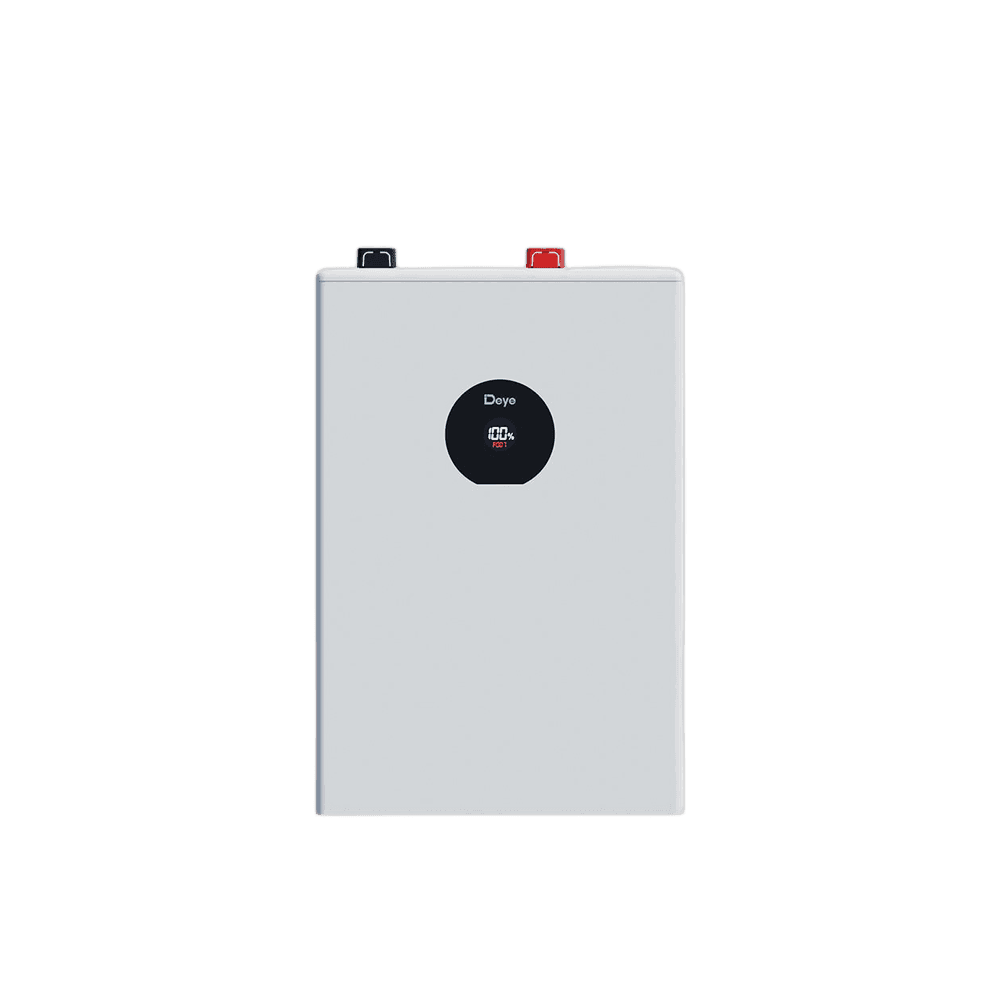
- Energy
- 5.12 kWh
- Usable Energy
- 4.1 kWh
- Nominal Voltage
- 51.2 V
- Cycle Life
- >6000
Price incl. VATAED 2,698
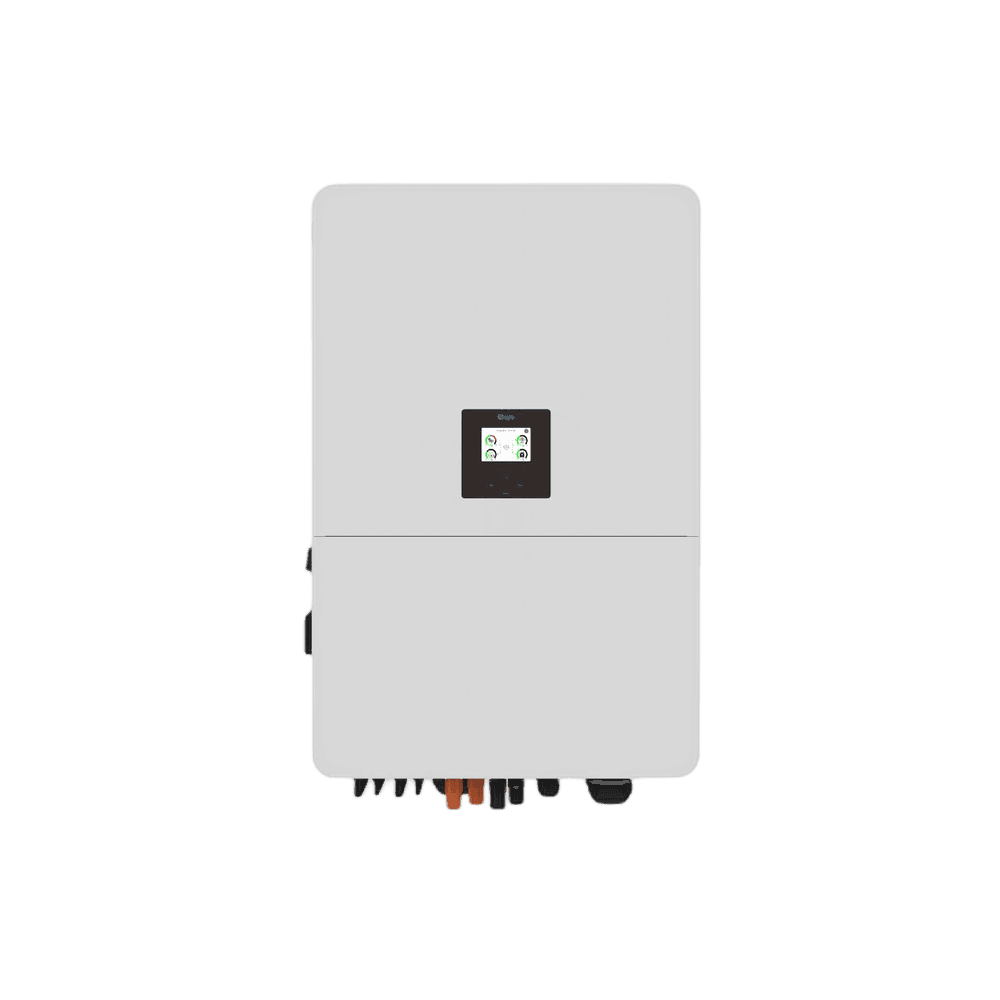
Deye 12 kW Three-Phase Hybrid Solar Inverter SUN-12K-SG04LP3-EU
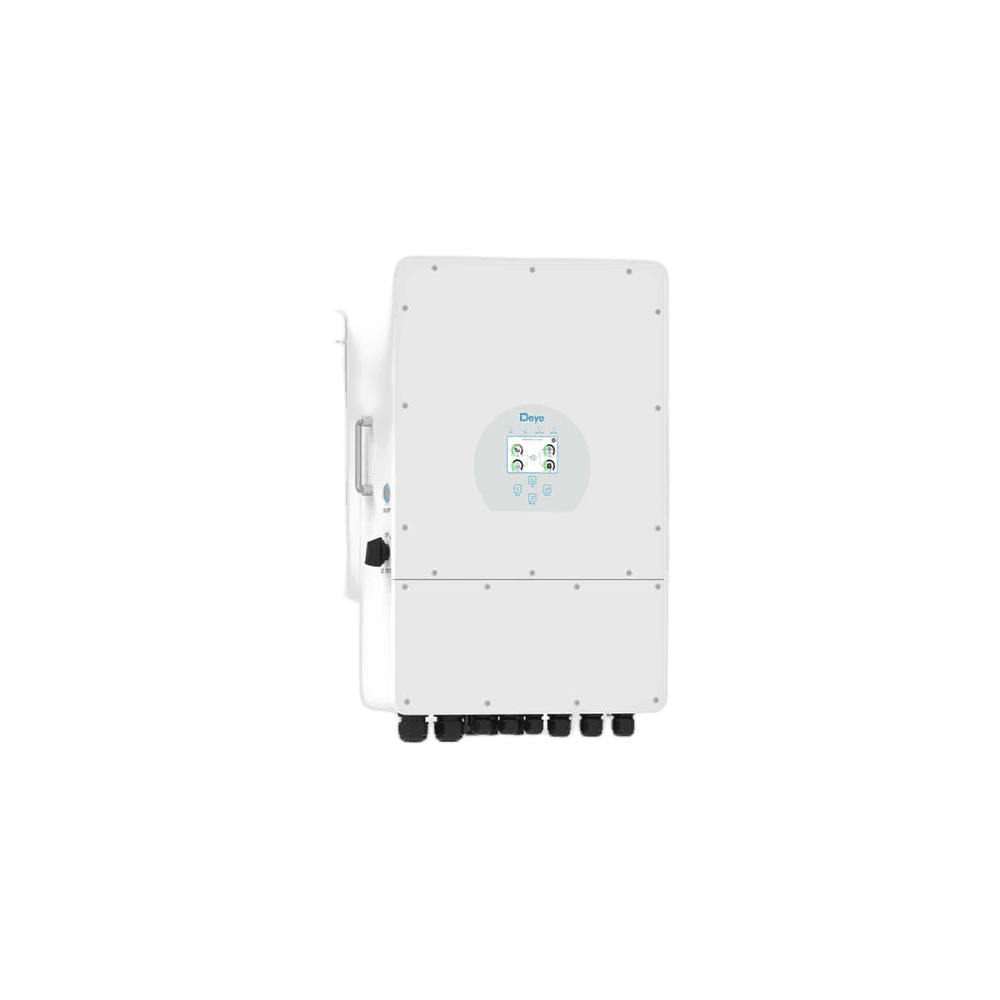
- Rated AC Output Active Power
- 12000 W
- Max. Efficiency
- 97.6 %
- Number of MPPTs
- 2
- Grid Connection Form
- 3L+N+PE
Price incl. VATAED 5,914
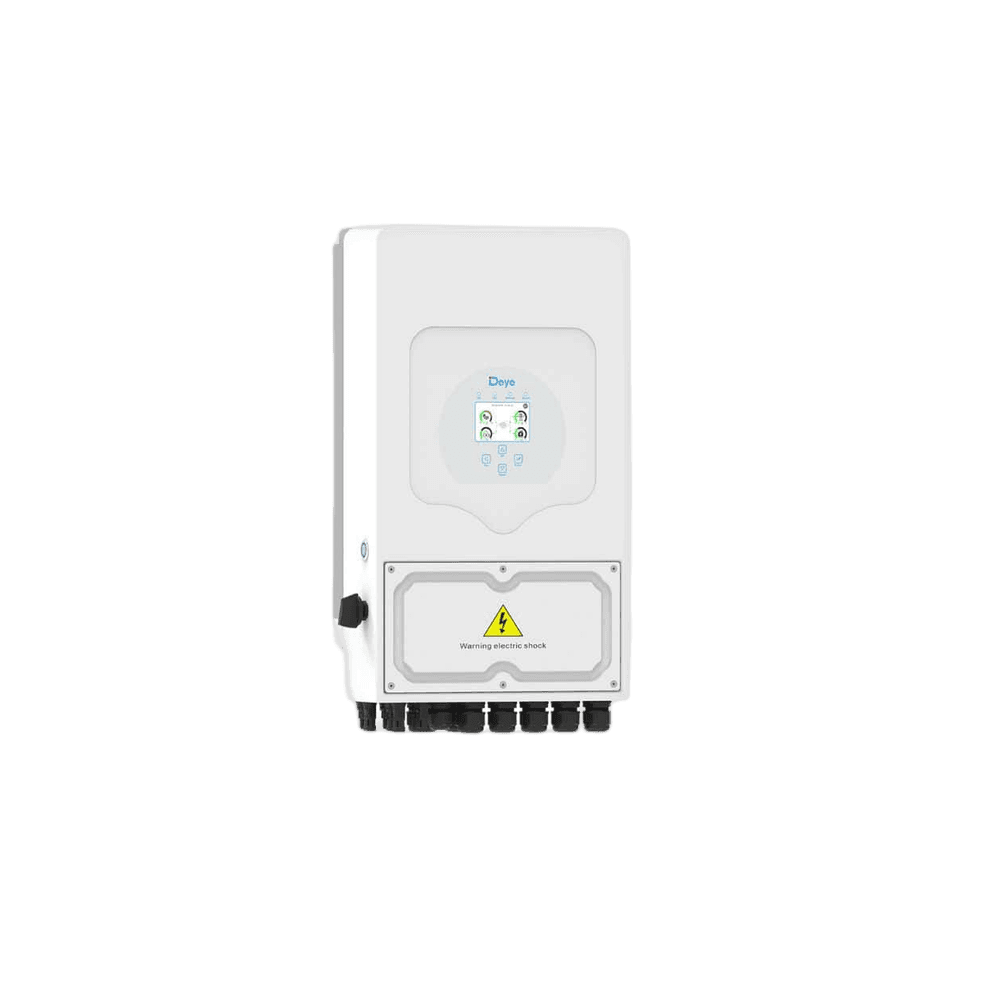
Deye 16 kW Single-Phase Hybrid Solar Inverter SUN-16K-SG01LP1-EU
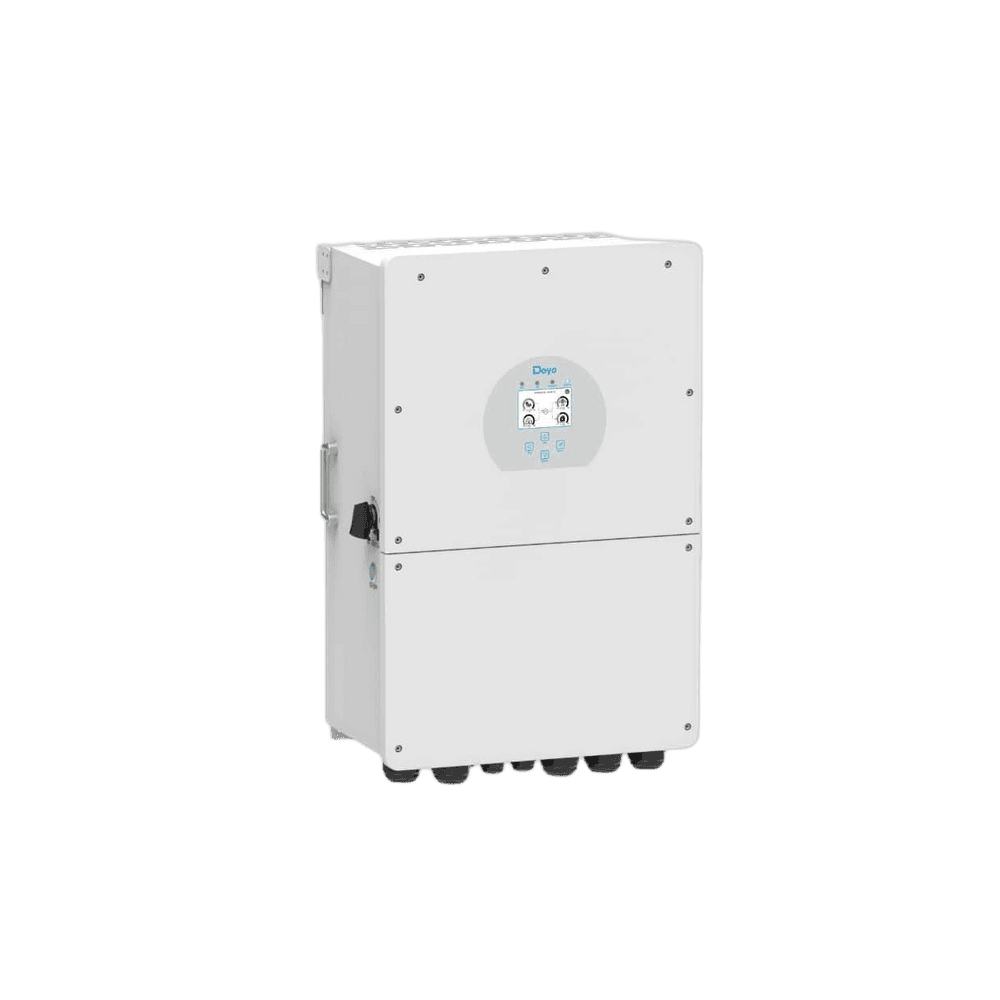
- Rated AC Output Active Power
- 16000 W
- Max. Efficiency
- 97.6 %
- Number of MPPTs
- 3
- Grid Connection Form
- L+N+PE
Price incl. VATAED 8,055
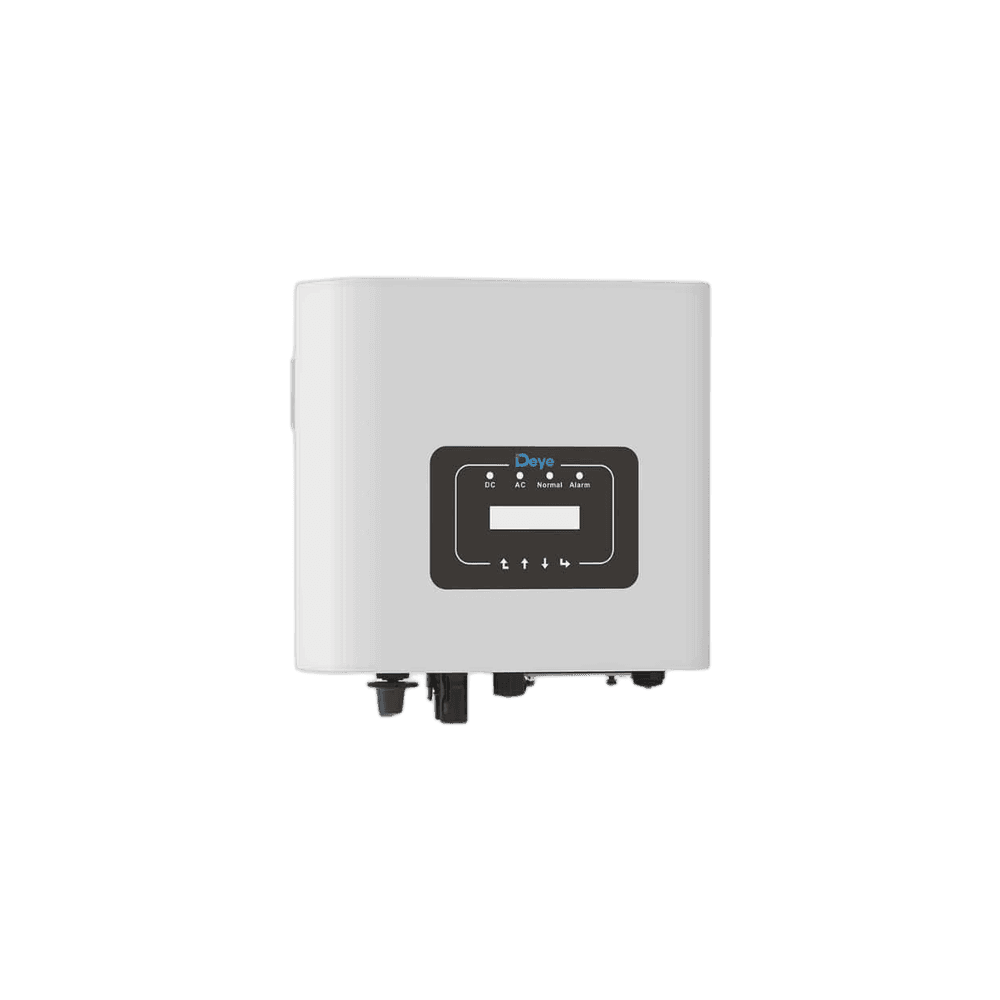
Deye 5 kW Single-Phase Hybrid Solar Inverter SUN-5K-SG05LP1-EU
- Rated AC Output Active Power
- 5000 W
- Max. Efficiency
- 97.6 %
- Number of MPPTs
- 2
- Grid Connection Form
- L+N+PE
Price incl. VATAED 6,135
Deye 12.03 kWh 51.2 V Lithium Solar Battery SE-F12
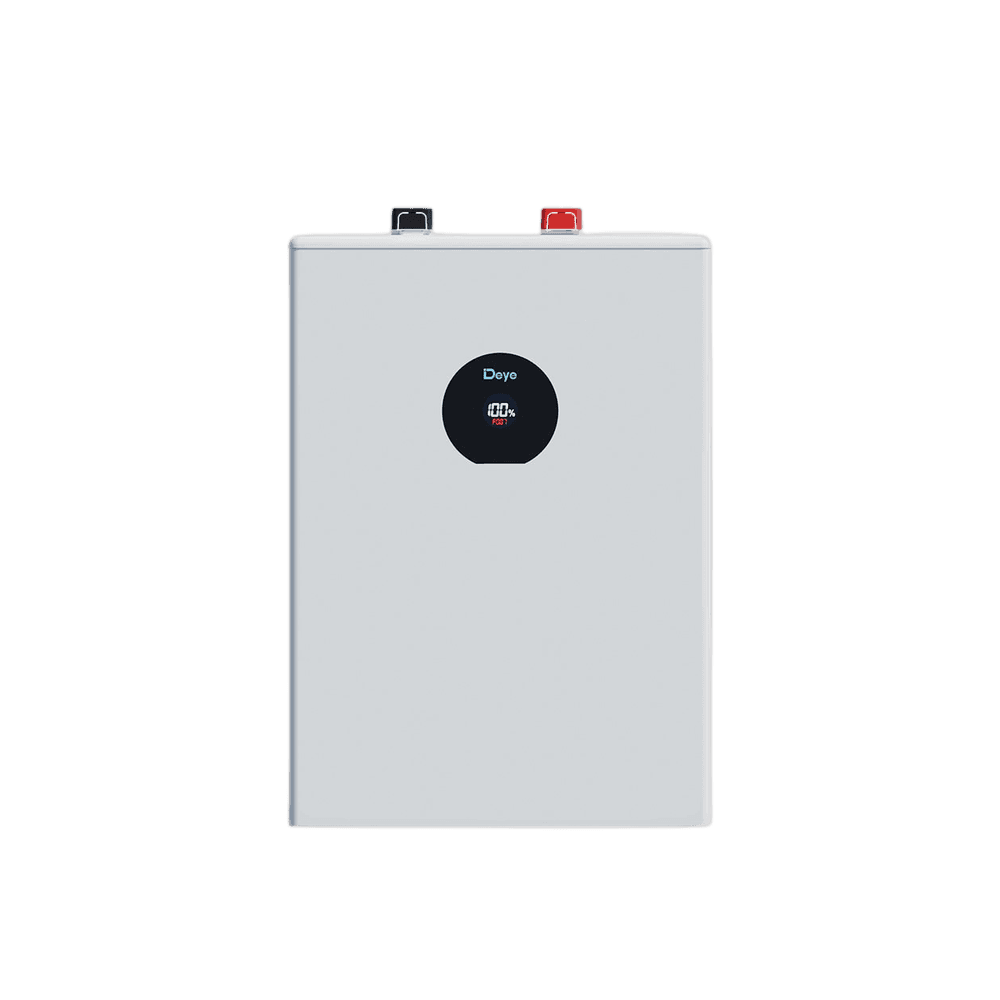
- Energy
- 12.03 kWh
- Usable Energy
- 10.83 kWh
- Nominal Voltage
- 51.2 V
- Cycle Life
- >6000
Price incl. VATAED 7,691
What is the best solar system for a villa in Dubai?
For most Dubai villas the answer is a single-phase Deye hybrid inverter between 5 kW and 16 kW paired with a LiFePO4 battery, or a three-phase hybrid if the villa's supply is three-phase. The SUN-5K-SG05LP1-EU and SUN-8K-SG05LP1-EU cover the common single-phase cases; the SUN-12K-SG01LP1-EU and SUN-16K-SG01LP1-EU cover large villas with heavy air-conditioning; the SUN-12K-SG04LP3-EU is the three-phase equivalent. All of them are rated IP65, all state an operating range of -40 to 60 °C, and all state that output begins derating at 45 °C. On the battery side, one 5 kWh module is enough to hold lights, fans, routers and a fridge through an evening cut; a whole villa riding through a hot afternoon on batteries alone needs several.
Single-phase or three-phase? Check the villa's supply before anything else
This is the one decision that cannot be corrected later without changing the inverter. Of the 134 Deye inverter records, 62 are wired L+N+PE — single-phase — and 72 are wired 3L+N+PE, three-phase. A three-phase inverter will not run on a single-phase supply and a single-phase inverter cannot balance a three-phase board.
Older and smaller Dubai villas are usually single-phase. Larger newer villas — the ones with two or three outdoor condensing units, a pool pump and a lift — are frequently three-phase. Look at the main breaker in the DB: one incoming live conductor means single-phase, three means three-phase. If you are not sure, photograph the main board and send it to us; that photograph settles the question in a minute and saves a返 return.
How big should the inverter be?
Size the inverter to the load it has to carry, not to the roof. A hybrid inverter has two jobs at once: converting what the panels make, and supplying the house when the grid is absent. The second job is the one that fails visibly, because that is the moment when the air conditioning either starts or does not.
Three columns in the record decide it. Rated AC output active power is what the unit will carry continuously. Max PV input power is how many panels it will accept. Max continuous AC passthrough is how much grid current it will pass to the house when it is simply sitting in line — which matters in a villa, because everything downstream of the inverter is limited by that figure.
| Model | Rated AC output | Max PV input | MPPTs | AC passthrough | Noise |
|---|---|---|---|---|---|
| SUN-5K-SG05LP1-EU | 5,000 W | 8,000 W | 2 | 35 A | <30 dB |
| SUN-8K-SG05LP1-EU | 8,000 W | 12,800 W | 2 | 50 A | <30 dB |
| SUN-10K-SG05LP1-EU-SM2-P | 10,000 W | 16,000 W | 2 | 50 A | <30 dB |
| SUN-12K-SG01LP1-EU | 12,000 W | 19,200 W | 3 | 100 A | <50 dB |
| SUN-16K-SG01LP1-EU | 16,000 W | 25,600 W | 3 | 100 A | <50 dB |
| SUN-12K-SG04LP3-EU (three-phase) | 12,000 W | 18,000 W | 2 | 45 A | <55 dB |
Notice the jump at 12 kW: the passthrough doubles from 50 A to 100 A. If the villa has a large ducted air-conditioning system that you want to keep alive on backup, that column matters more than the kilowatt figure on the front of the box.
Which battery, and how many modules?
Every Deye battery in the range is LiFePO4, every record states a cycle life above 6,000 cycles, and every record states 70 % remaining capacity at end of life. So the chemistry question is closed, and the real questions are how much usable energy you need, how fast you want it charged, and where the cabinet is going to stand.
Usable energy is the number to compare, not nominal energy — the two are different on several models. The SE-F5 Pro is 5.12 kWh nominal and 5.12 kWh usable. The SE-G5.1 is 5.12 kWh nominal and 4.1 kWh usable. The RW-M6.1-B is 6.14 kWh nominal and 6.14 kWh usable. If you compare the nominal figures alone you will conclude that two of those are the same battery, and they are not.
| Battery | Nominal | Usable | Max charge current | Enclosure | Mounting |
|---|---|---|---|---|---|
| SE-F5 Pro | 5.12 kWh | 5.12 kWh | 100 A | IP21 | Wall, floor or stacked |
| SE-G5.1 | 5.12 kWh | 4.1 kWh | 50 A | IP20 | Wall, floor or rack |
| RW-M6.1-B | 6.14 kWh | 6.14 kWh | 100 A | IP65 | Wall or floor |
| AI-W5.1-B | 5.12 kWh | 4.6 kWh | 100 A | IP65 | Floor |
| SE-F12 | 12.03 kWh | 10.83 kWh | 230 A | IP21 | Wall, floor or stacked |
Charge current is the column most villa owners overlook. A 5 kW hybrid that states 120 A of maximum charge current can push far more into the bank than a 50 A battery will accept, so the battery becomes the limit and the array spends the afternoon throttled. Match them, or stack modules until the bank's accepted current catches up with the inverter's.
Can the system be set not to export to the grid?
If your connection is approved for export, a hybrid will use the grid as the last place surplus goes. If it is not — a common situation while an application is still in progress, or on a villa with a shared supply — you need a unit whose record states zero-export support.
Here the records are blunt. All 70 Deye string inverters — the G family — state zero-export support explicitly. The hybrid SG records do not state it, so we do not claim it for them on this page; if no-export operation is a hard requirement for your villa, tell us before you order and we will confirm the exact model against its own record rather than against a family assumption.
Where does the inverter go on a Dubai villa?
Almost every Deye inverter is rated IP65 — 122 of the 134 records — with the 12 microinverters rated IP67. IP65 means dust-tight and protected against water jets, which is a wall in a covered car port, a shaded external wall or a service yard. It is not permission to bolt the unit to an unshaded south-facing wall and forget it.
The reason is the derating column. 113 records state that output begins derating at 45 °C ambient. In Dubai, a metre of clearance, a shade hood and a wall that is not in full afternoon sun are what keep the air around the case below that figure — and they cost a fraction of the output you lose by ignoring them. The single-phase SG05LP1 units are also the quiet ones at <30 dB, which is what makes a utility-room or garage-wall installation liveable.
Generator, and what happens during a cut
52 Deye inverter records state diesel generator support and 49 state AC coupling. Between them, that covers the two situations a Dubai villa actually meets: a villa with an existing standby generator that should charge the battery rather than idle, and a villa with an older grid-tied array already on the roof that you want to keep and put a battery behind.
131 of the 134 records state anti-islanding protection, which is the function that disconnects the villa from the street the instant the street goes dead — the reason a hybrid can keep your lights on without energising a cable somebody else is working on.
Three villa shortlists
A small single-phase villa, essential-circuit backup.
SUN-5K-SG05LP1-EU with one SE-F5 Pro. 5,000 W continuous, 8,000 W of panels, <30 dB, and 5.12 kWh usable behind it. Enough to hold lighting, fans, network, and a fridge through an evening interruption.
A large single-phase villa with heavy air-conditioning.
SUN-16K-SG01LP1-EU with two or three RW-M6.1-B. 16,000 W continuous, 25,600 W of panels, three MPPTs for a roof that faces more than one way, and 100 A of passthrough so the ducted system stays on the backup side of the board.
A three-phase villa.
SUN-12K-SG04LP3-EU with SE-F12. 12,000 W across three phases, 18,000 W of panels, 240 A of charge current into a battery that accepts 230 A — a matched pair rather than a throttled one.
Order online: every model in the catalogue shows its price, and checkout takes a minute.
To see the villa systems worked out, open the solar system for a villa with evening backup power, open the off-grid solar system for a villa and work out your own loads in the sizing calculator.
Frequently Asked Questions
What size solar system does a Dubai villa need?
Do I need a battery for a villa in Dubai, or just panels?
Is my Dubai villa single-phase or three-phase?
Can a Deye inverter be set not to export power to DEWA?
Where should the inverter be mounted on a villa?
How many battery modules should a villa start with?
- #solar system for villa
- #Dubai
- #hybrid inverter
- #solar battery
- #DEWA
- #villa solar Dubai
- #inverter sizing
Ready to order?
Every unit in the catalogue carries its price — add it to the cart and order online, then collect it from our store in Dubai or Riyadh.