Of 170 Deye spec records, not one is a pump inverter — and no column mentions a water flow rate or a pumping head. What runs a pump is peak power and unbalanced output, and here are both figures.
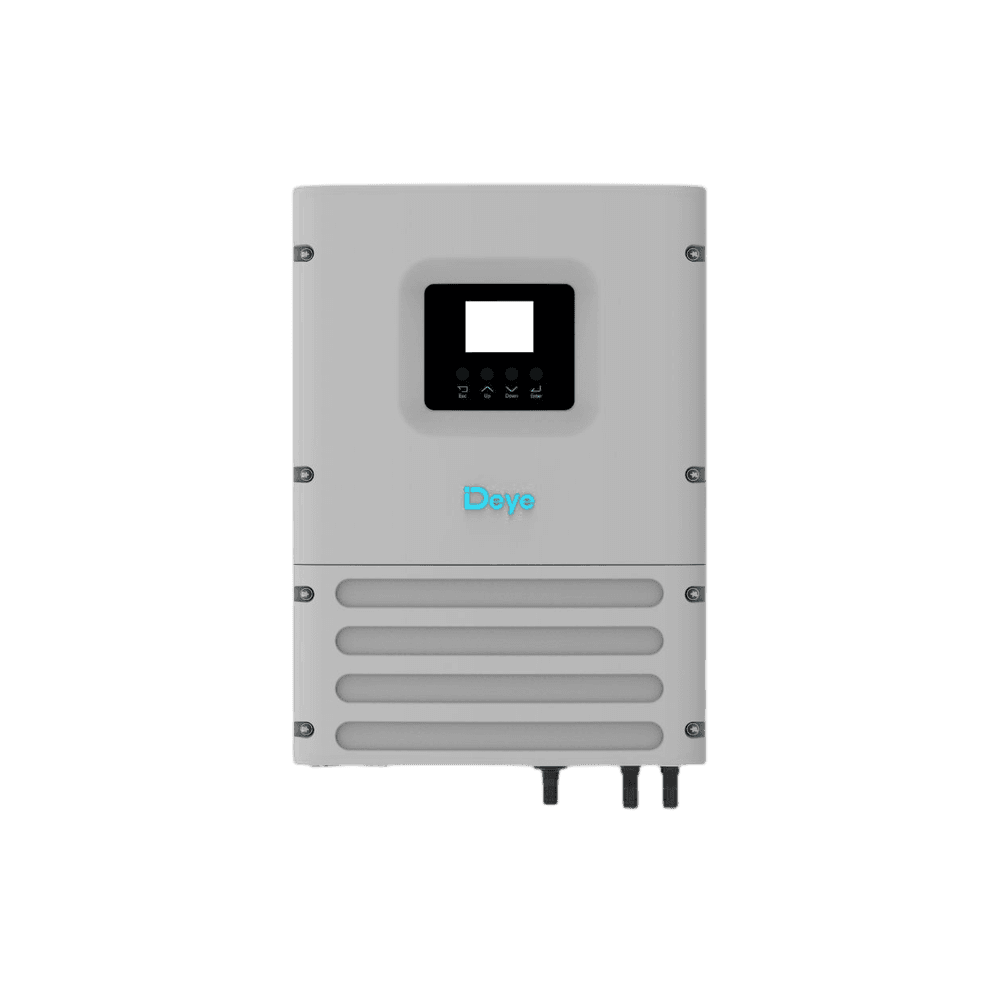
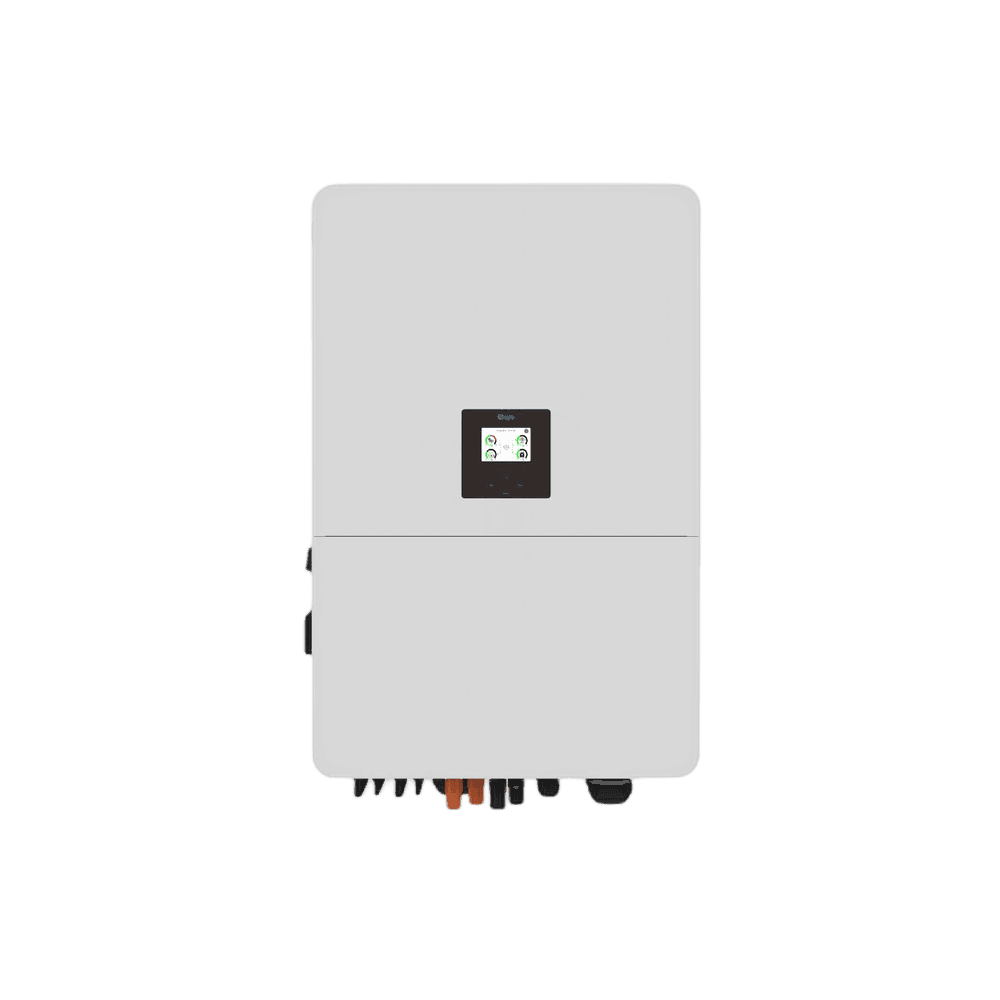
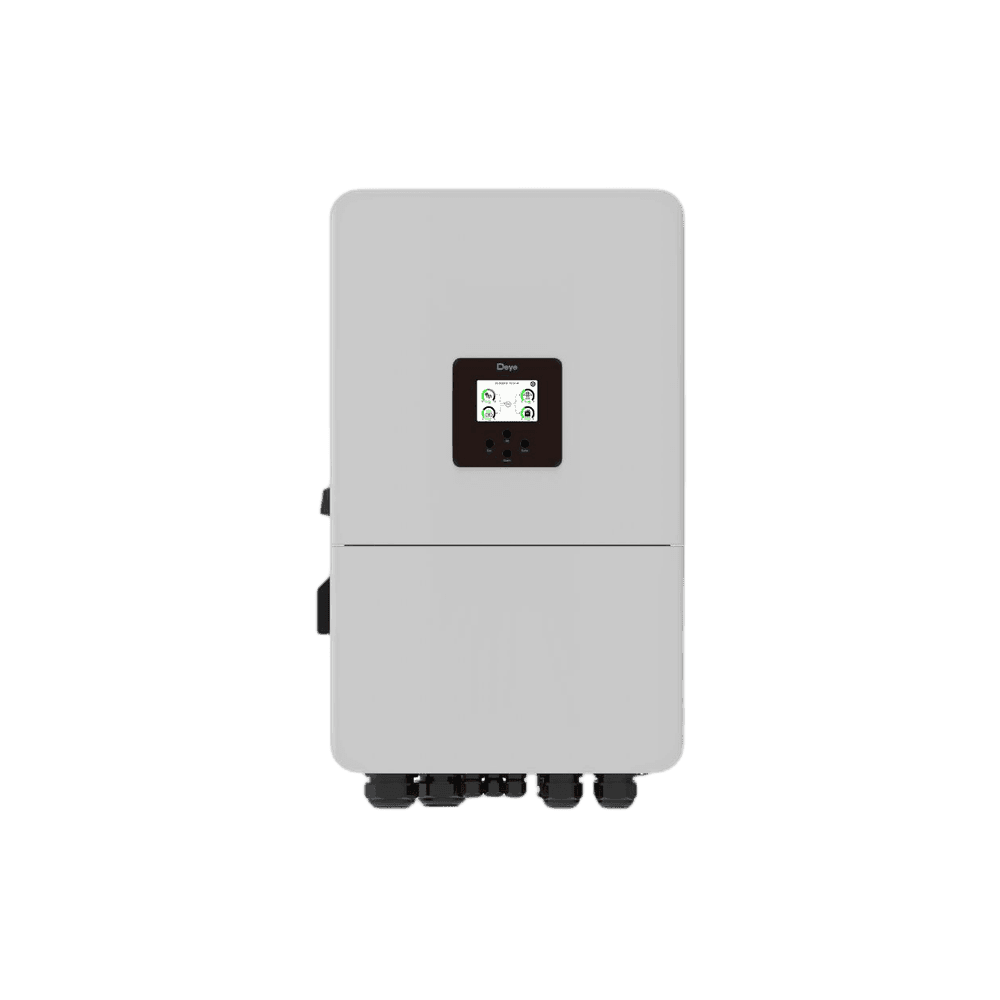
“Solar pump inverter” is a phrase farmers and borehole contractors search every month, and it assumes a product category of its own. The first thing you are owed is the plain answer: there is no model of that name in our records. We publish 170 Deye spec records — 134 inverters, 34 batteries and 2 solar air conditioners — and not one of them is a pump inverter, a variable-frequency drive, or even a single spec column that mentions a pump, a water flow rate or a pumping head. What runs a pump in this range is a general-purpose inverter chosen on a handful of specific rows, and this page is about those rows.
We are an authorised Deye distributor and every figure on this page is copied from a spec record we publish. If you have the pump motor's nameplate and want us to read the available models' rows against it, send it on WhatsApp +971 4 255 0887 or by email to sales@deyeinverters.net.
Why there is no “pump inverter” in our records
What the market calls a solar pump inverter is usually a variable-frequency drive that feeds the pump motor directly and varies its speed with the sun. That is a product category in its own right, and we hold no record of one. When we say we hold none, we mean it literally: across all 196 columns that exist in our records there is no column named drive, no adjustable output frequency, no soft start, no water flow rate and no pumping head. We will not describe behaviour that no record publishes.
The practical consequence is not a closed door. An irrigation pump is, in the end, an electrical load with a running current, a high starting current and a supply type — single phase or three phase — and those are three things the general inverter records answer in numbers. What follows is those rows in order of how much they decide.
The first row: peak power, and who states it at all
The moment the pump motor starts is the hardest thing the inverter will see all day. The row that publishes that capability is called peak power (multiple × duration), and it is absent from most of the range: 82 of the 134 inverter records read Not Applicable on it — the 70 string inverters and the 12 microinverters. Two thirds of our inverters publish no peak figure, and none of them is what we would put in front of a direct motor load.
The remaining 52 split cleanly in two. Thirty-five records state “2× for 10 s” — twice rated power for ten seconds — and those are 32 hybrids plus the three off-grid units. Seventeen records state “1.5× for 10 s”, and all of them are large three-phase hybrids from the HP3 and HP2 families. The detail that matters to a farm: of the 35 records with the 2× multiple, 18 are single phase and 17 are three phase, while all 17 records with the 1.5× multiple are three phase without exception.
A single-phase pump on a three-phase inverter: the row nobody reads
This is the most common situation on farms in the region: the building is on a three-phase supply and the pump — or the smaller of two pumps — is single phase. The question is how much of the inverter's output can come out of one phase before it objects. Our records answer in a row called unbalanced output capability, and it is stated on exactly 34 records: every three-phase hybrid, without exception, at 100 %.
One hundred per cent means the record publishes the ability to deliver the load without spreading it across all three phases. But those 34 have a second row that splits them into equal halves: unbalanced output per phase reads 50 % on 17 records — the low-voltage LP3 families such as SUN-8K-SG05LP3 and SUN-12K-SG04LP3 — and is unstated on the other 17, the high-voltage HP3 and HP2 families. An unstated row is not a figure and we will not give it one; if the per-phase share is what decides your project, work from the seventeen records that publish it.
| Model | Rated AC output active power | Peak power | Unbalanced output | Per phase | Max continuous AC pass-through |
|---|---|---|---|---|---|
| SUN-6K-SG04LP3 | 6,000 W | 2× for 10 s | 100 % | 50 % | 45 A |
| SUN-8K-SG05LP3 | 8,000 W | 2× for 10 s | 100 % | 50 % | 45 A |
| SUN-10K-SG05LP3 | 10,000 W | 2× for 10 s | 100 % | 50 % | 45 A |
| SUN-16K-SG05LP3 | 16,000 W | 2× for 10 s | 100 % | 50 % | 70 A |
| SUN-50K-SG01HP3 | 50,000 W | 1.5× for 10 s | 100 % | Not Stated | 200 A |
Output waveform: three records state it, 131 do not
A pump motor cares about the waveform of its supply, and the question is a fair one. Half our answer is “we do not know”: the output waveform row reads “Pure Sine Wave” on only three of the 170 records — the off-grid SUN-3.6K-OG01LP1, SUN-5K-OG01LP1 and SUN-6K-OG01LP1 — and reads Not Applicable on the other 131.
We will not read into that silence what is not in it. The 131 records do not say their waveform is poor; they simply do not publish the row. What all of them publish instead is total harmonic distortion of current: under 3 % on all 134 inverter records, without exception. And if a written waveform is what you need, the three records that write it are the OG01LP1 family — which happens to be the only family that also publishes a generator input current.
Generator and pass-through: what is left when the sun is gone
A farm does not stop at sunset. Generator support reads “Yes (Diesel)” on 52 records — the 49 hybrids and the three off-grid units — and Not Applicable on the other 82. But the generator input current itself, which is what your electrician needs to size a breaker, is stated on only three records: the three OG01LP1 units, at 35 A. The 49 hybrid records leave the row unstated, and we will not fill it in.
The maximum continuous AC pass-through row is what decides how much grid or generator power crosses the machine into the farm board without going through the battery. It takes eight values across the 52: 35 A on 8 records, 40 A on 8, 45 A on 12, 50 A on 3, 70 A on 5, 80 A on 4, 100 A on 3, and 200 A on the nine largest hybrids — SUN-29.9K-SG01HP3, SUN-30K through SUN-50K-SG01HP3, then SUN-60K through SUN-80K-SG02HP3.
Programming an agricultural solar inverter: what can actually be scheduled
The question after model choice is when the pump runs, and here we have to separate what our records publish from what they do not. Across all 196 columns there is no irrigation schedule, no pump timer and no load-control logic. What there is, is one directly relevant row: the number of programmable charge/discharge time periods, which reads 6 on 49 hybrid records and is unstated on the three OG01LP1 units.
Those six periods schedule the battery, not the pump. But their effect on a farm is direct: they decide whether enough is left in the bank for an irrigation cycle after sunset, or whether the bank is held for charging until morning. Beside them sits the charging strategy row, which reads “Self-adaption to BMS” on all 52 battery-capable records — meaning the charge curve is not a number your contractor dials in. The rest of the limits these models are configured against are set out in our guide to programming a Deye inverter.
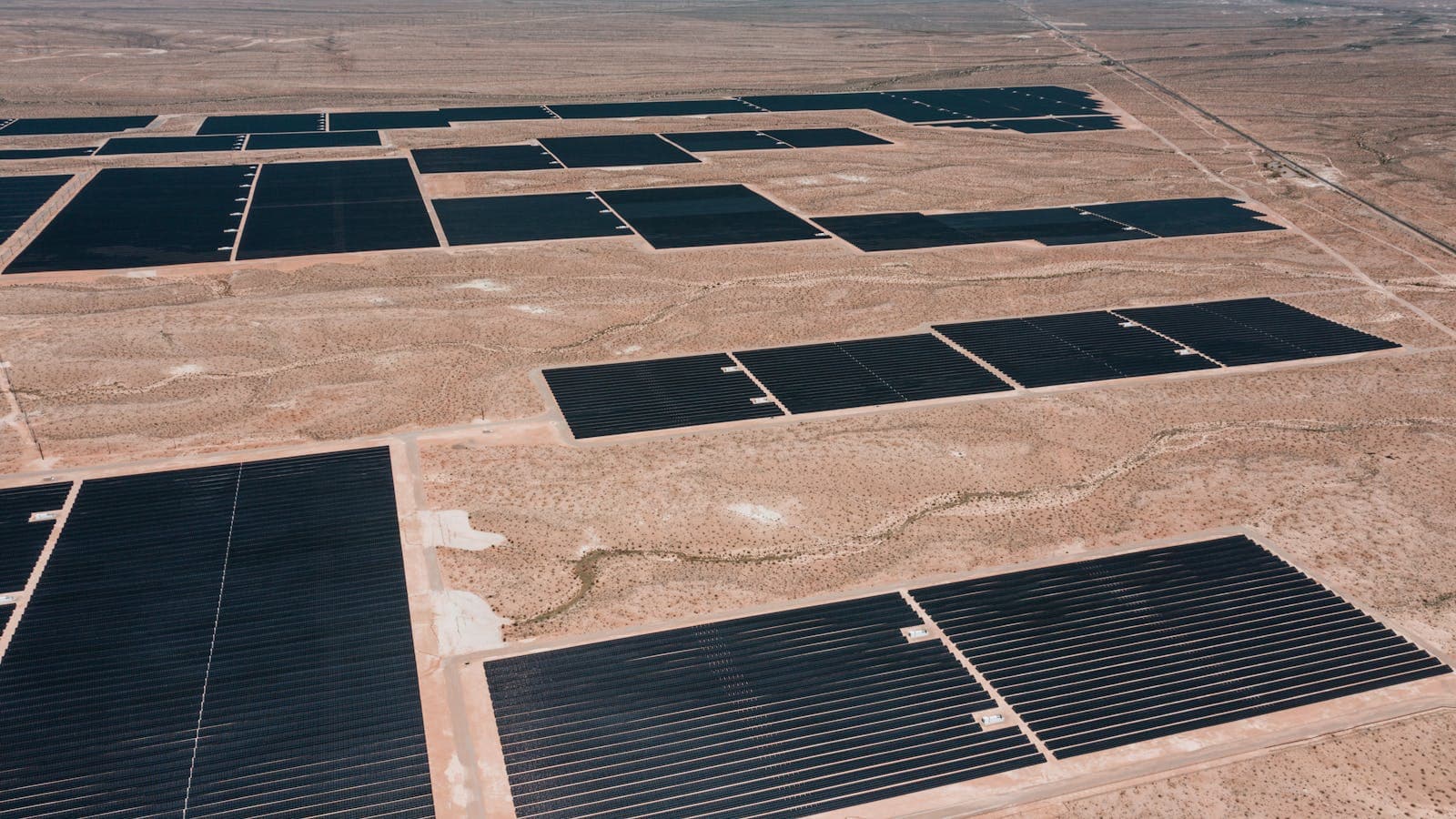
And if your pump runs in daylight only — which is the case on a great many irrigation projects — the question inverts entirely: no battery, no periods, no generator. The 82 records that read Not Applicable on the battery row come back into play, and efficiency becomes the criterion. SUN-70K-G03, for one, states 98.7 % maximum efficiency and 98.1 % European efficiency, and accepts 91,000 W of modules across four trackers.
The pump house: dust, heat and altitude
A pump house is not a clean electrical room, and the records publish four figures aimed squarely at that. The ingress rating is IP65 on 122 records and IP67 on 12 — the microinverters. Permissible ambient humidity is 0–100 % on all 134 records, which is as wide as that row can be written.
The operating temperature range separates the families plainly: the 49 hybrids and the three off-grid units all state −40 to 60 °C, the string inverters state −25 to 60 on 52 records and −25 to 65 on 18, and the microinverters state −40 to 65. And 113 records state that thermal derating begins at 45 °C — a figure to read before the pump house is built rather than after.
Maximum operating altitude is stated on every record: 2,000 m on 63, 3,000 m on 33 and 4,000 m on 38 — and all 38 are three-phase string inverters, which makes them the models publishing the highest altitude ceiling in the range. If your pump sits in a high valley, that row is not a detail.
That leaves noise, which matters when the pump house is near housing. Noise level is stated on all 134 records and runs from under 25 dB on the 12 microinverters to under 65 dB on 17 records. The three-phase hybrids sit in the middle: under 55 dB on SUN-8K-SG05LP3, for example, and under 60 dB on SUN-16K-SG05LP3.
Growing the pumping station: how many units in parallel?
Borehole farms grow by one more well, not by one more project, and the parallel units row is what says whether that growth is possible without replacement. It is stated on 64 records: ten units on 34 hybrid records, sixteen units on 15 hybrid records and on the three OG01LP1 units. The 70 string inverters read Not Applicable on that row — with them, you grow by adding a separate inverter rather than paralleling the first.
What we cannot tell you
So that this page is not read for more than it holds: our records state no water flow rate, no pumping head in metres, no pipe size, no conversion table from pump motor kW to inverter size, and no starting current for any particular motor. They state no variable-frequency drive and no soft start either, because those two simply are not any column we hold.
None of that is a gap in our records so much as a set of figures that belong to your motor. The pump's nameplate carries them, and how it is started is decided by whoever installed it. Read the nameplate, then read the rows above, then let a licensed contractor join the two. We will read you the rows; we will not guess at the nameplate.
Send a photo of the pump nameplate and the supply type reaching the farm — single phase or three phase — and we will send back the rows of the models that publish a peak power and an unbalanced output, exactly as the records hold them, on WhatsApp +971 4 255 0887 or at sales@deyeinverters.net. And if the farm is in Al Ahsa specifically, we gave it a page of its own: a solar system for a farm in Al Ahsa.
Frequently Asked Questions
Does Deye make a dedicated solar pump inverter?
Can I run a single-phase pump from a three-phase inverter?
What output waveform do Deye inverter records state?
How do I program an agricultural solar inverter to run after sunset?
Will the inverter survive the dust and heat of a pump house?
Do I need a battery for an irrigation pump that only runs in daylight?
Ready for a personalized quote?
WhatsApp us — average reply time under 15 minutes.