Which Solar Inverter Is Right for a Jeddah Rooftop? Start With the IP Rating
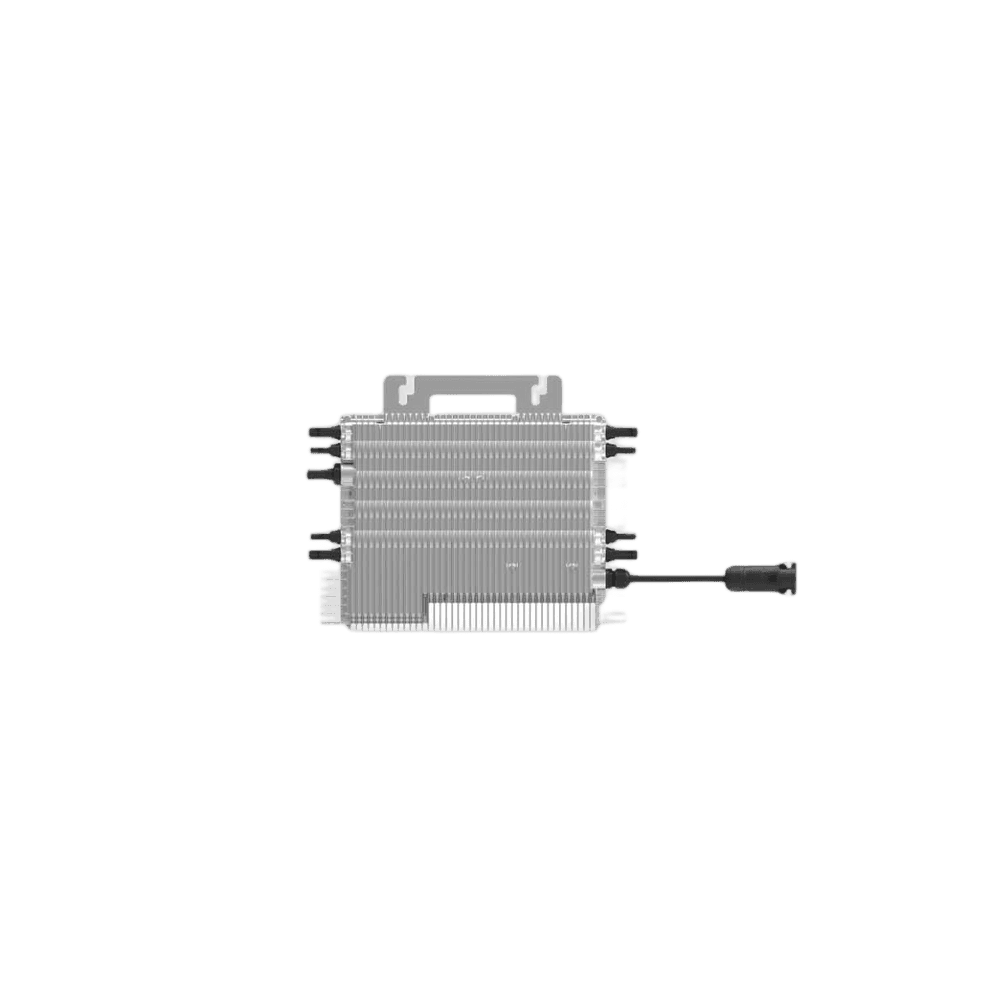
Every Deye inverter is IP65 or IP67 and every one states 0–100 % ambient humidity, so on a Jeddah roof the enclosure row will not separate them. The battery is where the rating actually varies — from IP20 to IP65.
The worry people bring us about Jeddah is always the same: salt air and humidity will eat the equipment. Here is the honest answer for the inverter itself — it almost certainly will not, and the spec sheet will not help you choose between models either. Of the 134 Deye inverter records we publish, 122 are IP65 and the other 12 are IP67, so every one of them is rated dust-tight and sealed against water. And every single one of the 134 states permissible ambient humidity of 0–100 %. That is not a marketing range; it is the same figure on the smallest microinverter and the largest three-phase string inverter. Humidity will not separate one Deye inverter from another on a Jeddah roof. The equipment that genuinely differs is the battery, and that is where a coastal install goes wrong.
We are an authorised Deye distributor with store pickup in Riyadh. To buy, open the catalogue, add the model to the cart and check out online.
Products mentioned in this article
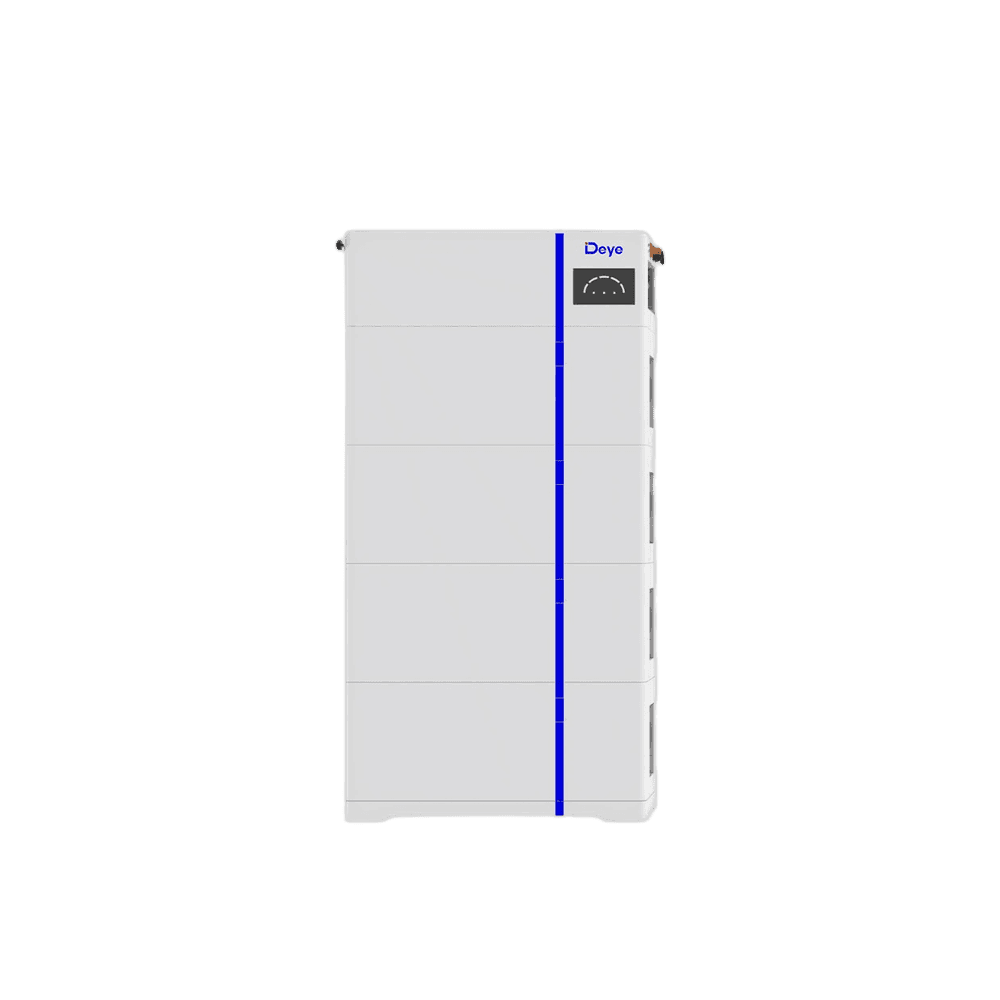
Deye 5.12 kWh 51.2 V Lithium Solar Battery AI-W5.1-B

- Energy
- 5.12 kWh
- Usable Energy
- 4.6 kWh
- Nominal Voltage
- 51.2 V
- Cycle Life
- >6000
Price incl. VATAED 2,530
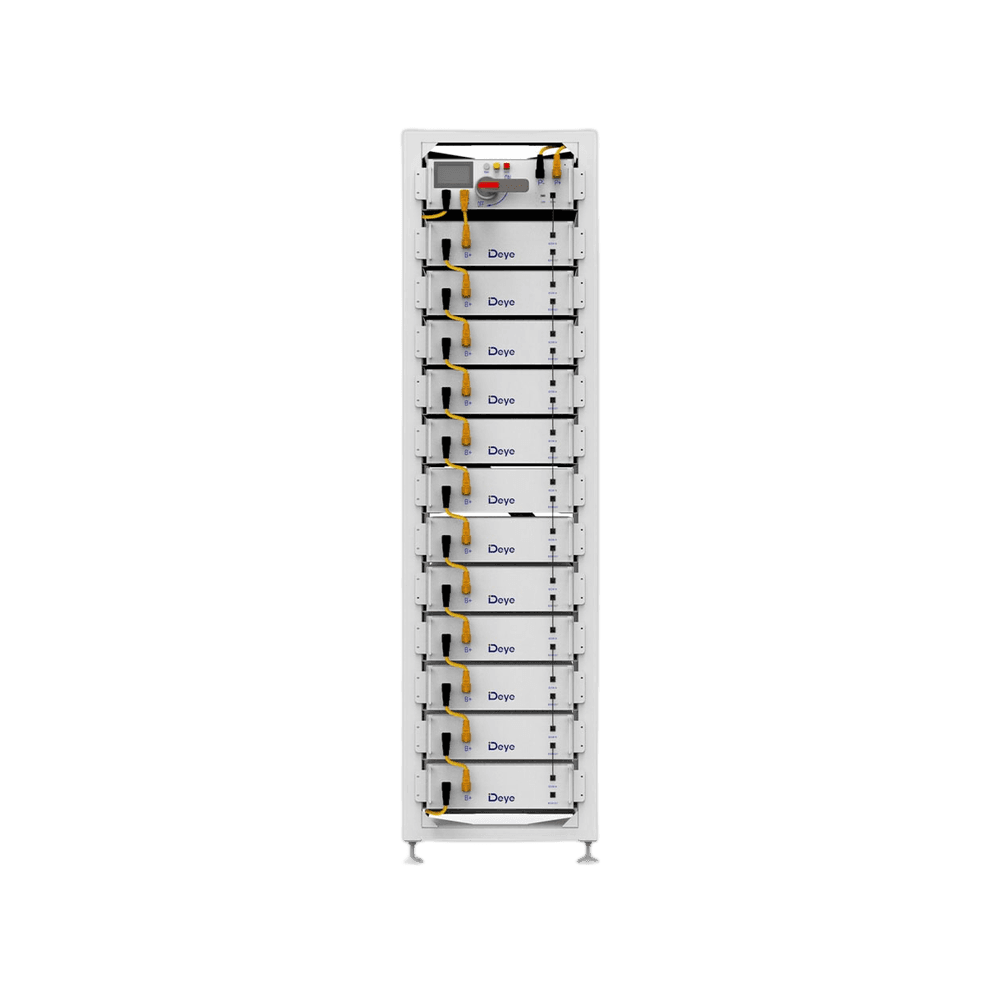
Deye 15.36–61.44 kWh 153.6–614.4 V Lithium Solar Battery BOS-G – High-Voltage Rack Battery System
- System Energy
- 15.36-61.44 kWh
- Usable Energy
- 15.36-61.44 kWh
- System Nominal Voltage
- 153.6-614.4 V
- Cycle Life
- >6000
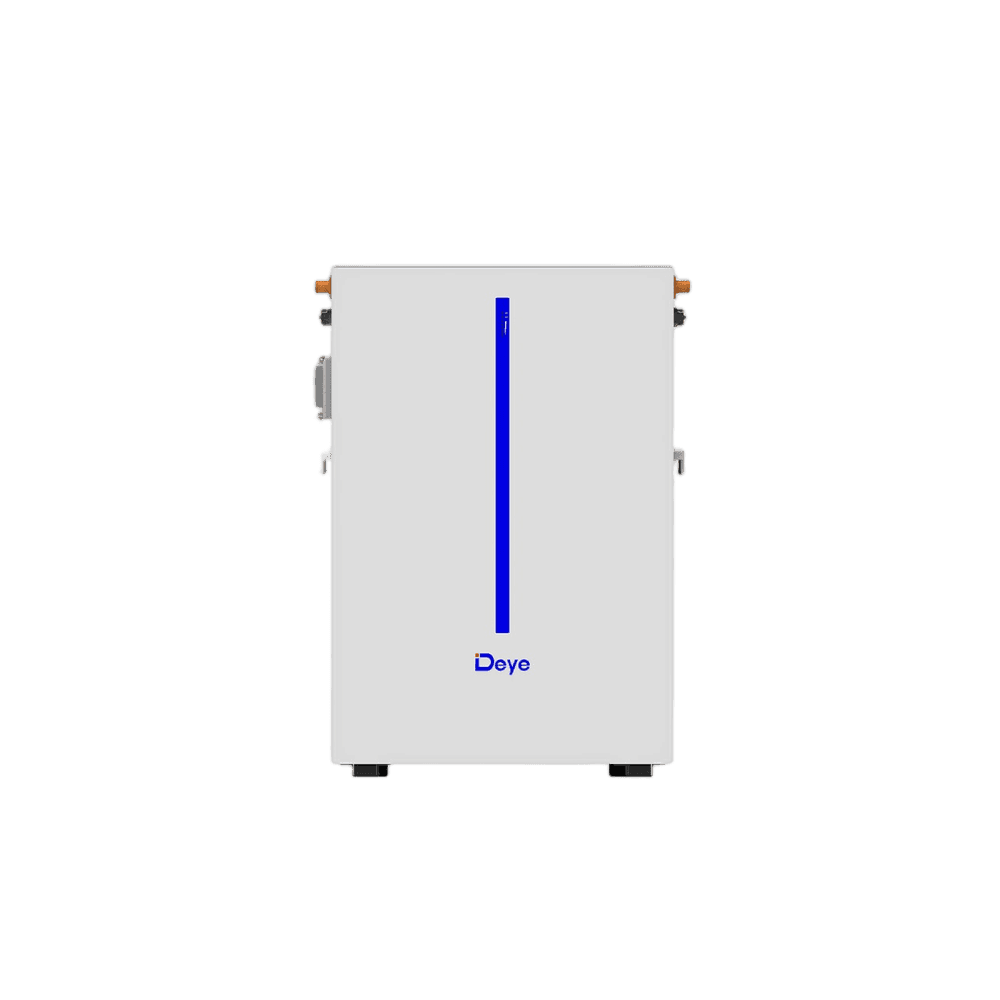
Deye 6.14 kWh 51.2 V Lithium Solar Battery RW-M6.1-B
- Energy
- 6.14 kWh
- Usable Energy
- 6.14 kWh
- Nominal Voltage
- 51.2 V
- Cycle Life
- >6000
Price incl. VATAED 6,278
Deye 5.12 kWh 51.2 V Lithium Solar Battery SE-G5.1
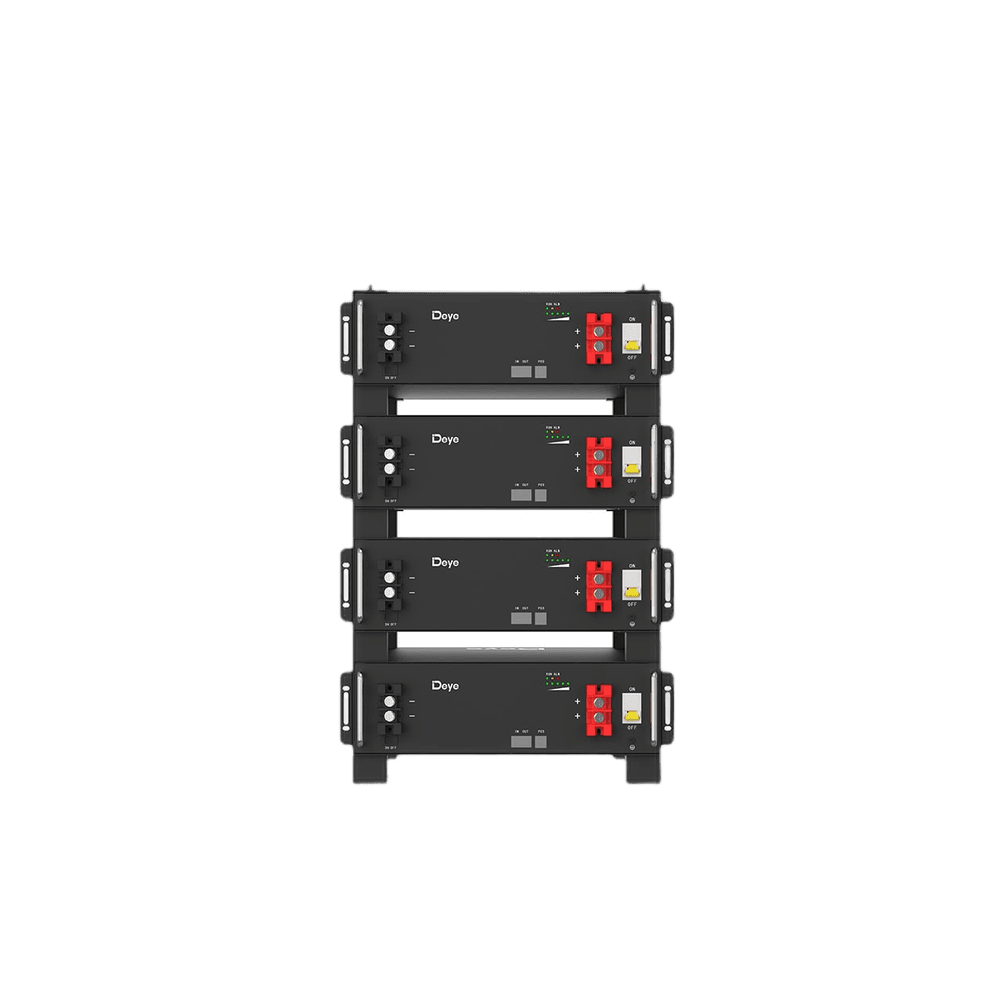
- Energy
- 5.12 kWh
- Usable Energy
- 4.1 kWh
- Nominal Voltage
- 51.2 V
- Cycle Life
- >6000
Price incl. VATAED 2,520
Deye 25 kW Three-Phase String Solar Inverter SUN-25K-G05
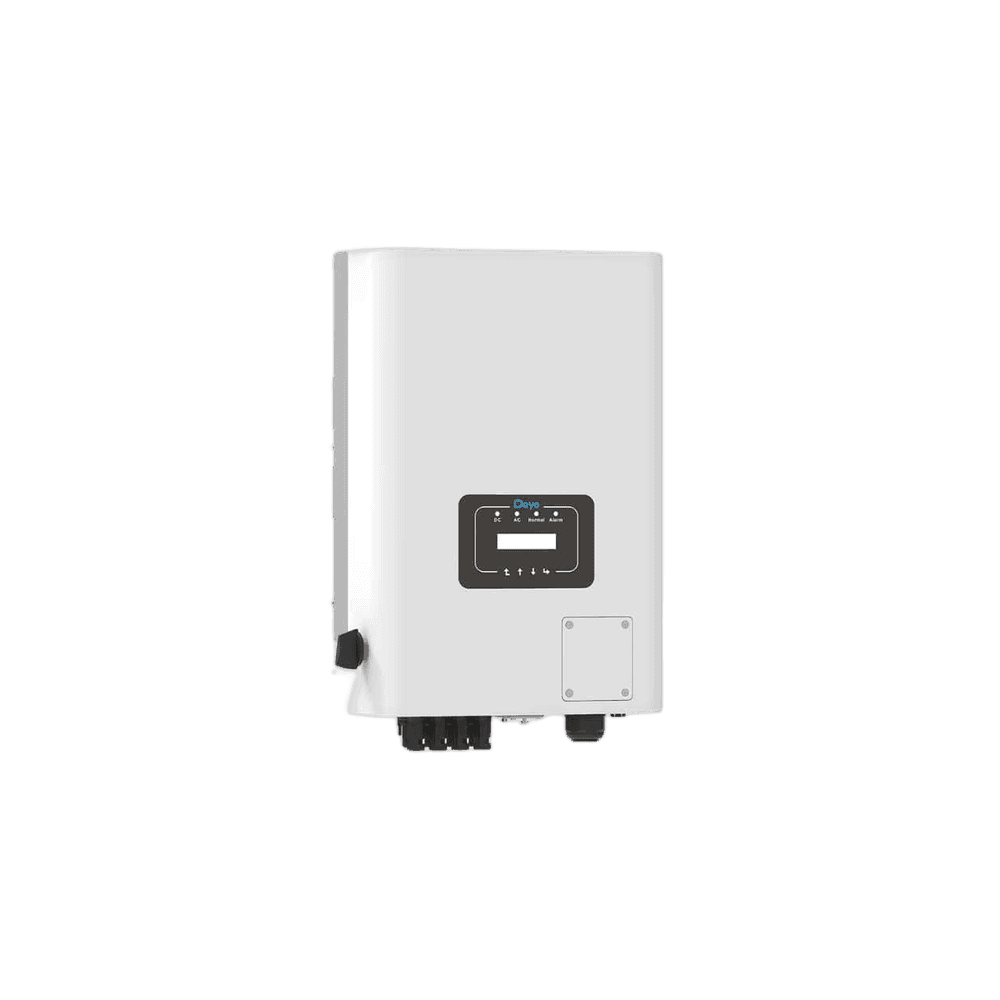
- Rated AC Output Active Power
- 25000 W
- Max. Efficiency
- 98.5 %
- Number of MPPTs
- 2
- Grid Connection Form
- 3L+N+PE
Price incl. VATAED 8,750
What do IP65 and IP67 actually cover?
The two digits answer two questions. The first is solids, the second is water. A 6 in the first position means dust-tight: no ingress at all, which is the rating you want anywhere sand is in the air. The second digit is where IP65 and IP67 part company. A 5 means protected against water jets from any direction; a 7 means protected against temporary immersion. On a rooftop the practical difference is standing water: rain that pools on a flat surface, or a box low enough to sit in a puddle after a wash-down.
What neither digit covers is salt. There is no salt-corrosion figure in the Deye inverter records — no anti-corrosion grade is stated for any of the 134 — so nobody, including us, can rank these models by how well they resist sea air. The rating tells you the enclosure is sealed; corrosion resistance on the outside of it is a question the published data does not answer.
Which Deye inverters are IP67, and does a Jeddah roof need one?
Exactly twelve, and they are all microinverters: the SUN-M series, from the SUN-M30G4 up to the SUN-M225G4. Every other inverter in the range — every hybrid, every string inverter, single and three phase — is IP65. That mapping is not a coincidence. A microinverter is designed to live on the racking under the panels, out in the weather permanently, where a wall-mounted hybrid normally sits under some kind of overhang.
| Model | IP rating | Ambient humidity | Topology | Where it is designed to live |
|---|---|---|---|---|
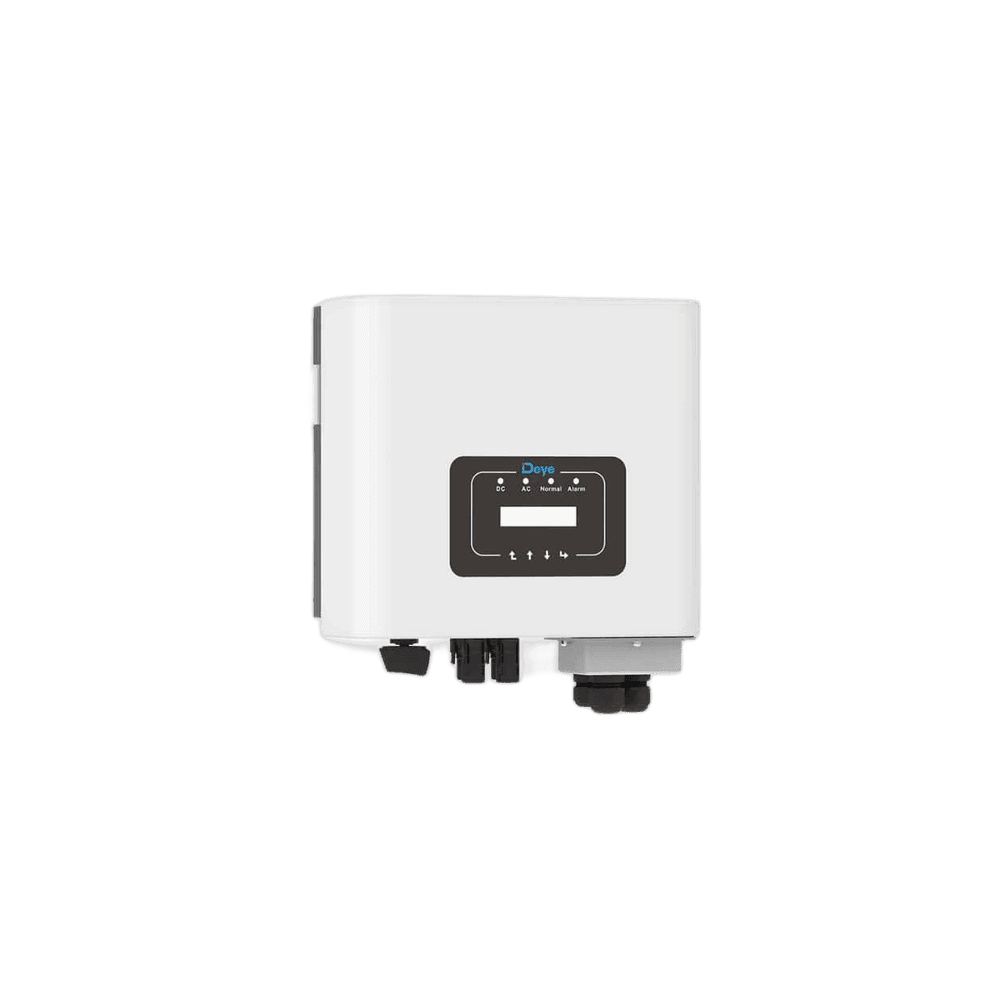
| SUN-M130G4 | IP67 | 0–100 % | Isolated | On the array, under the panels |
| SUN-M225G4 | IP67 | 0–100 % | Isolated | On the array, under the panels |
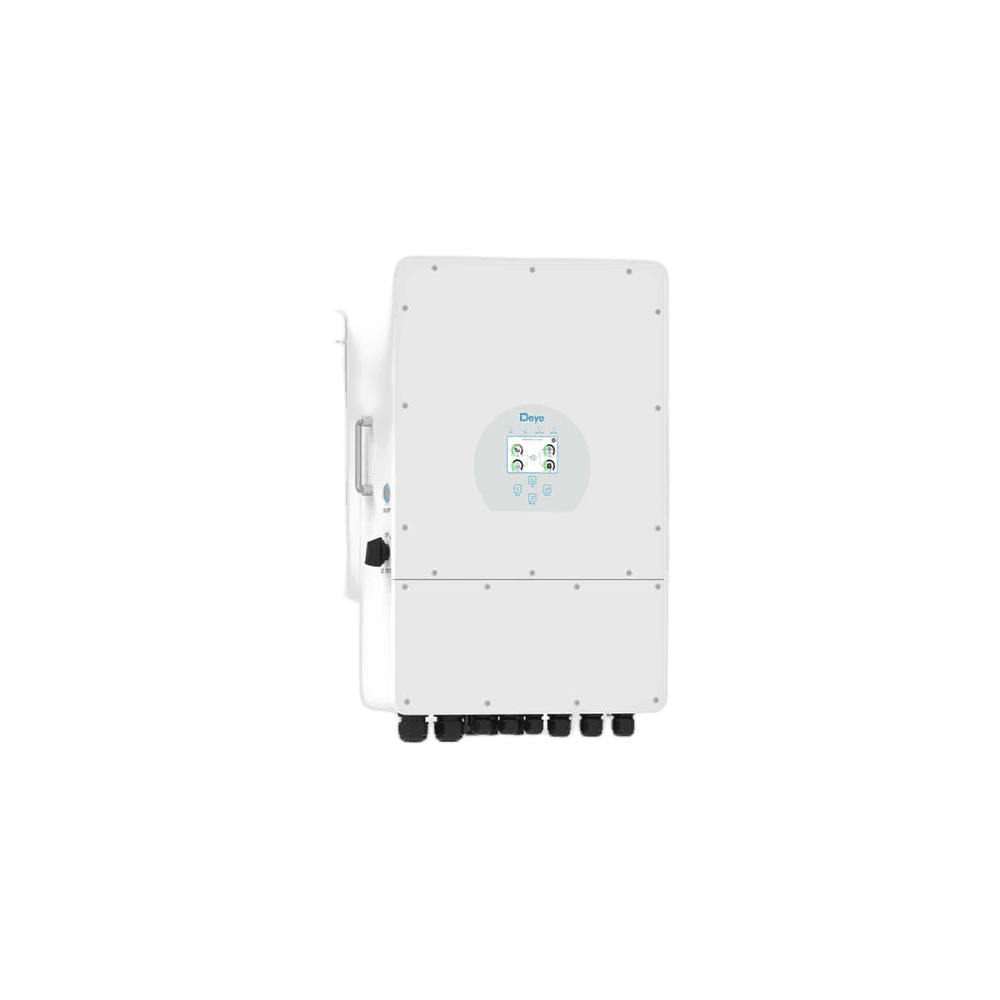
| SUN-5K-SG05LP1 | IP65 | 0–100 % | Non-isolated | Wall-mounted, single phase |
| SUN-8K-SG04LP3 | IP65 | 0–100 % | Non-isolated | Wall-mounted, three phase |
| SUN-25K-G05 | IP65 | 0–100 % | Non-isolated | Wall-mounted, commercial |
The topology column is worth a second look. The 12 microinverters are the only isolated designs in the range; the other 122 are non-isolated. That is a design difference rather than a coastal one, but it travels with the IP67 group, which is also the only group stating a 10-year warranty term throughout.
The real coastal mistake: putting an IP20 battery outdoors
Here is the row people never read. Inverters are uniform on humidity; batteries are not. Across the 34 Deye battery records, the enclosure rating is IP20 on 12 of them, IP65 on 10, IP21 on 5, IP55 on 3, IP54 on 3, and unstated on 1. Permissible operating humidity is equally varied: 0–95 % on 12 records, 5–85 % on 8, 5–95 % on 5, and 15–85 % non-condensing on 3. An IP20 enclosure has no water protection at all. It is an indoor rating, full stop, and a coastal garage that is open to the air on one side is not indoors.
So the pairing matters more than either component alone. An IP65 hybrid on an exterior wall is within its rating; the stack of battery modules beside it may not be. Check the two ratings independently and put each unit where its own row says it belongs — the most common thing we correct on a Jeddah quotation.
- Rated for outdoor placement: AI-W5.1-B and RW-M6.1-B both state an IP65 enclosure.
- Indoors only: SE-G5.1 and the BOS-G rack system both state IP20.
- Every one of the 34 battery records is LiFePO4 chemistry with a cycle life stated as greater than 6,000, so the chemistry is not what you are choosing between — the enclosure and the mounting are.
- Maximum operating altitude on the batteries reads under 2,000 m on 16 records and under 3,000 m on 16. Irrelevant at sea level in Jeddah, relevant if the same package is quoted for a hill site.
Does humidity change how a battery charges?
Not directly, but temperature does, and the two rows sit next to each other. Across the battery records, charge temperature is stated as 0–55 °C on 19 and discharge temperature as −20 to 55 °C on 26. That asymmetry is deliberate: most lithium iron phosphate packs will discharge in conditions they will not accept a charge in. A few records widen the charge window with a heating function — the AI-W5.1-B states 0–55 °C, and −20 to 55 °C when heating is on — but the cold end is not Jeddah's problem. The hot end is, and the ceiling is 55 °C for both charge and discharge on most of the range.
The practical consequence for a coastal install is about placement again, not about buying a different chemistry. A battery in a sealed, unventilated cupboard on a humid August afternoon is being asked to charge near the top of its stated window. A battery in a ventilated indoor space is not. Neither situation appears on a spec sheet, which is exactly why it gets skipped.
What to actually buy for a Jeddah rooftop
Match the box to where it will physically sit, then confirm the two enclosure rows before ordering.
- Panels on an exposed flat roof, no battery: the SUN-M225G4 or SUN-M130G4. IP67, four MPPTs each, 2,250 W and 1,300 W rated AC output, 5.2 kg and 5.1 kg, natural cooling with no fan, and a 10-year warranty term.
- Villa with battery backup, three phase: the SUN-8K-SG04LP3. IP65, 8,000 W rated output, 97.6 % maximum efficiency, 45 A continuous AC pass-through, diesel generator input, and up to 10 units in parallel.
- Apartment or small villa, single phase with battery: the SUN-5K-SG05LP1. IP65, 5,000 W, under 30 dB, 24.9 kg, up to 16 units in parallel.
- The battery beside any of them: if it will not be in a genuinely enclosed indoor space, choose one of the IP65-rated records rather than an IP20 rack.
Maintenance that the rating does not remove
An IP65 or IP67 seal keeps the inside clean. It does not keep the outside clean, and on a coast the outside is what you will be looking at in year five.
- Keep the heat-sink fins and any airflow path clear. Of the 134 inverter records, 71 use intelligent air cooling and 59 use natural cooling — the fanless ones still rely on convection across the fins.
- Inspect cable glands, connectors and the earth path where the enclosure is penetrated. The seal is rated; the terminations you added are yours to check.
- Give the unit somewhere for water to run off rather than pool, especially the IP65 group where the rating covers jets rather than immersion.
- Wash-downs count as water jets. Do not aim a pressure washer at a gland.
Related reading: what happens to output above 45 °C and the quietest inverter for an apartment. Order online: every model in the catalogue shows its price, and checkout takes a minute.
Frequently Asked Questions
Are Deye inverters IP65 rated?
Can a solar inverter handle the humidity in Jeddah?
Which Deye inverter is IP67?
Can I install the battery outside in Jeddah?
Does salt air damage a solar inverter?
Do microinverters work better than a hybrid on a coastal roof?
- #Jeddah
- #solar inverter
- #IP65
- #IP67
- #coastal humidity
- #Saudi Arabia
Ready to order?
Every unit in the catalogue carries its price — add it to the cart and order online, then collect it from our store in Dubai or Riyadh.