Does Dust Ruin Solar Panels in Sharjah and Ajman?
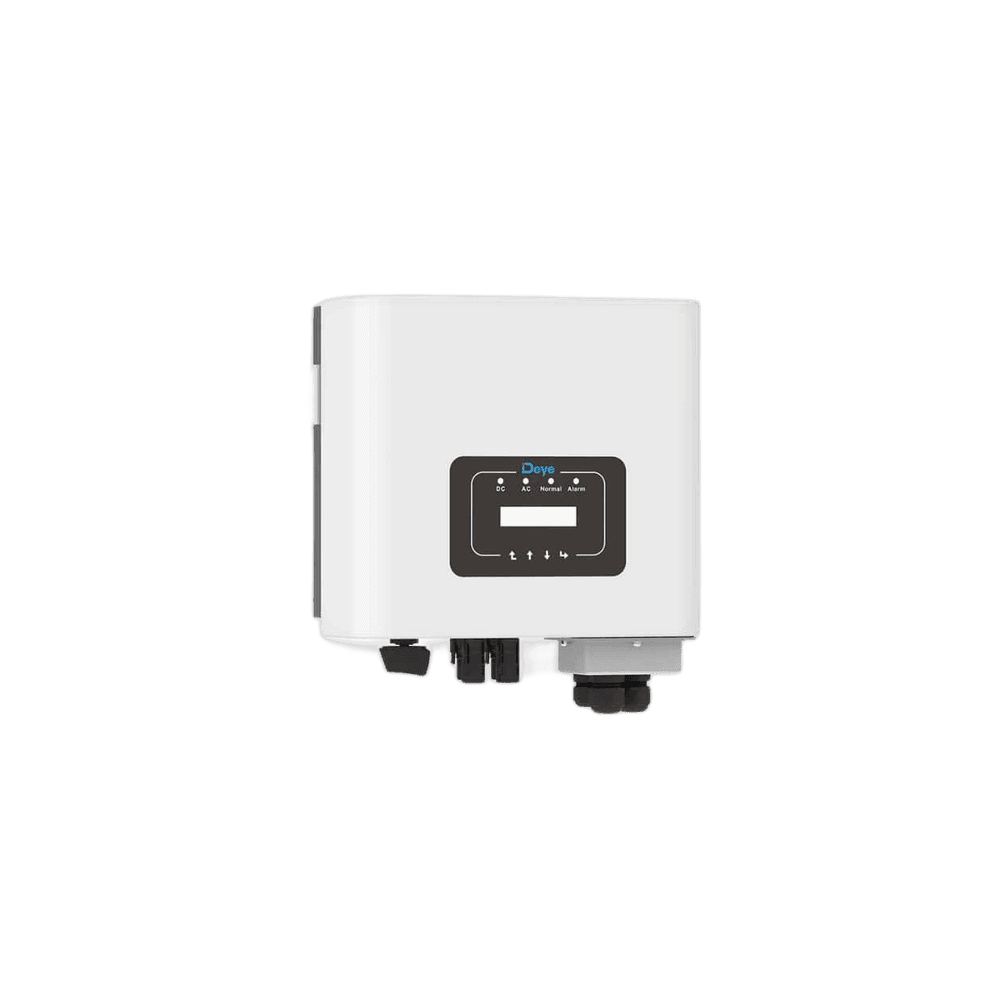
Every Deye inverter is dust-tight — 122 records IP65, 12 IP67. So the dust cost is on the panel glass, not in the box. What an IP rating promises, and how MPPTs and string monitoring contain a dirty roof.
You wash the car on Friday and by Sunday it has a film on it again. So the fair question before spending anything on a roof in Sharjah or Ajman is whether the dust will simply eat the investment — whether panels here are quietly ruined by the same haze that settles on everything else.
They are not ruined. Dust is a cleaning problem, not a destruction problem, and it costs you output only while it is sitting there. But it is worth separating two things that get mixed up constantly: what dust does to the panel glass, where the money actually goes, and what it does to the inverter enclosure, where — according to every one of the 134 Deye inverter records — it does nothing at all.
We are an authorised Deye distributor, and we supply installers across Sharjah and Ajman from our Deira, Dubai office. To buy, open the catalogue, add the model to the cart and check out online.
Products mentioned in this article
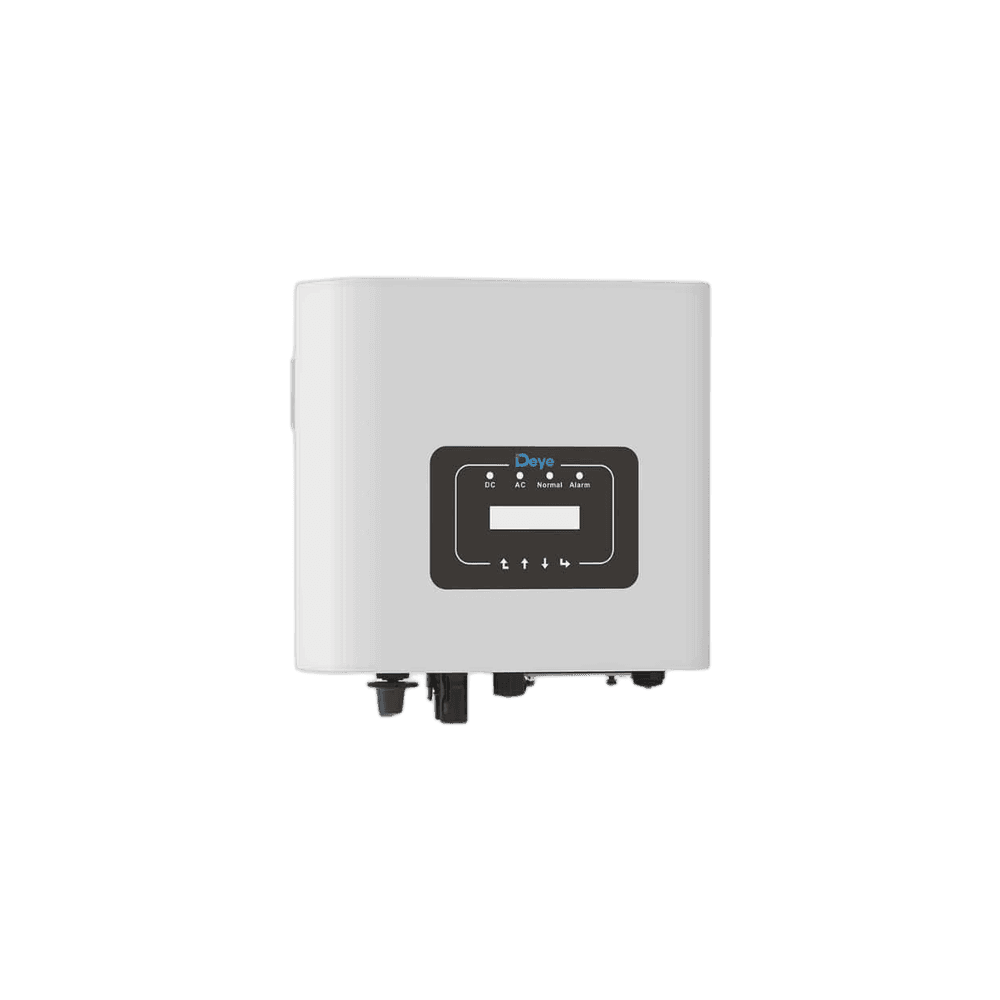
Deye 100 kW Three-Phase String Solar Inverter SUN-100K-G03

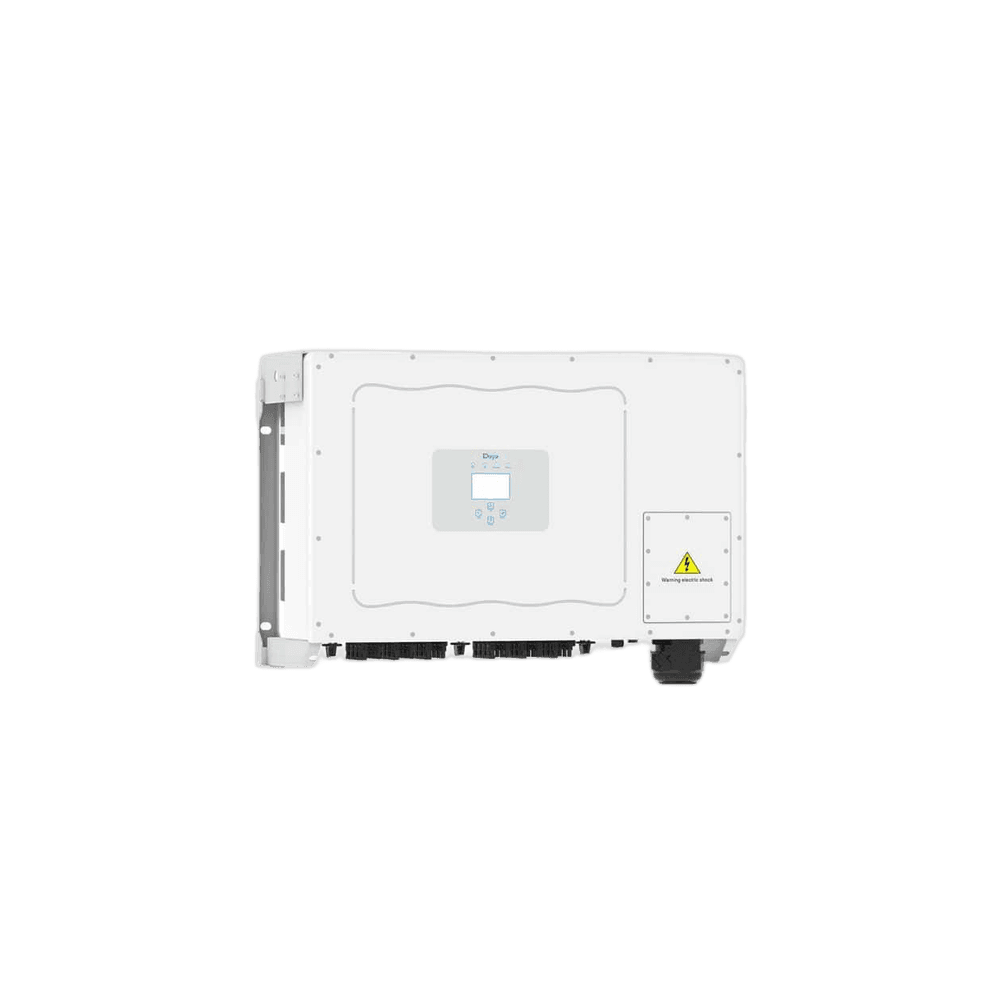
- Rated AC Output Active Power
- 100000 W
- Max. Efficiency
- 98.8 %
- Number of MPPTs
- 6
- Grid Connection Form
- 3L+N+PE
Price incl. VATAED 27,500
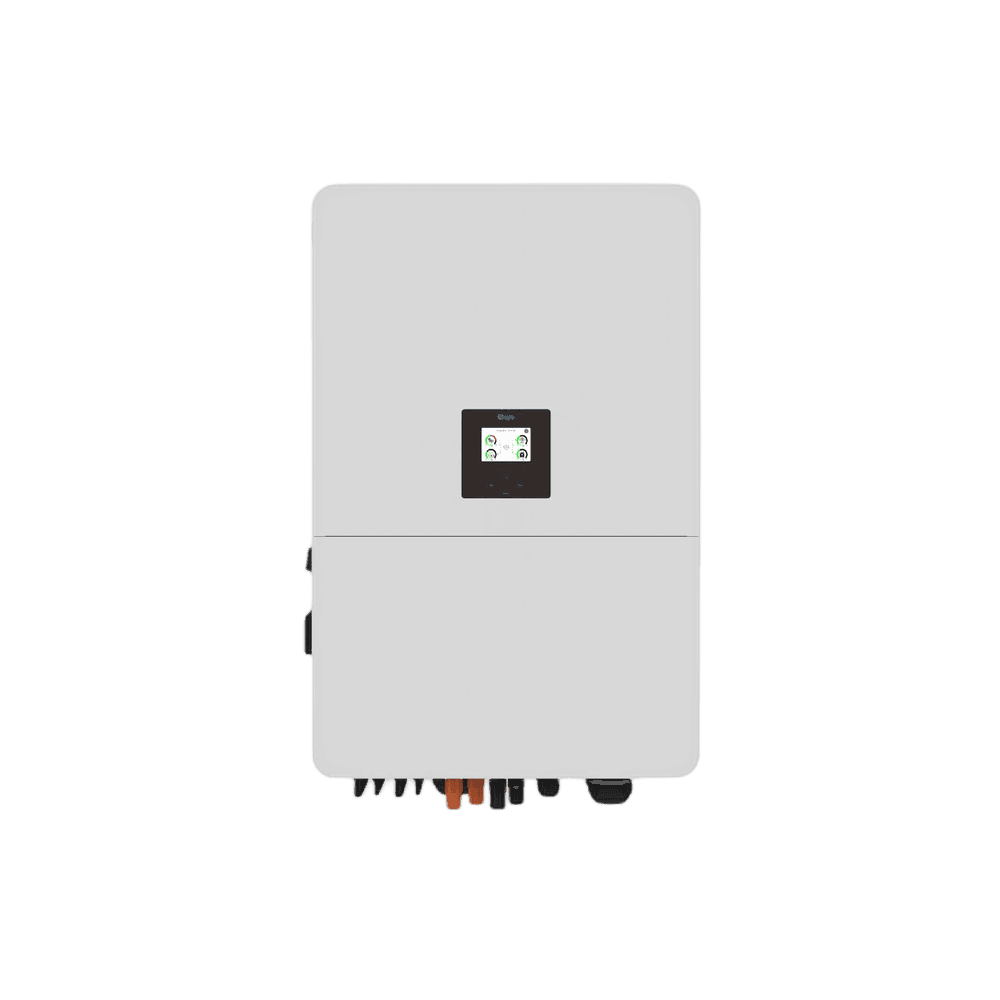
Deye 30 kW Three-Phase String Solar Inverter SUN-30K-G04
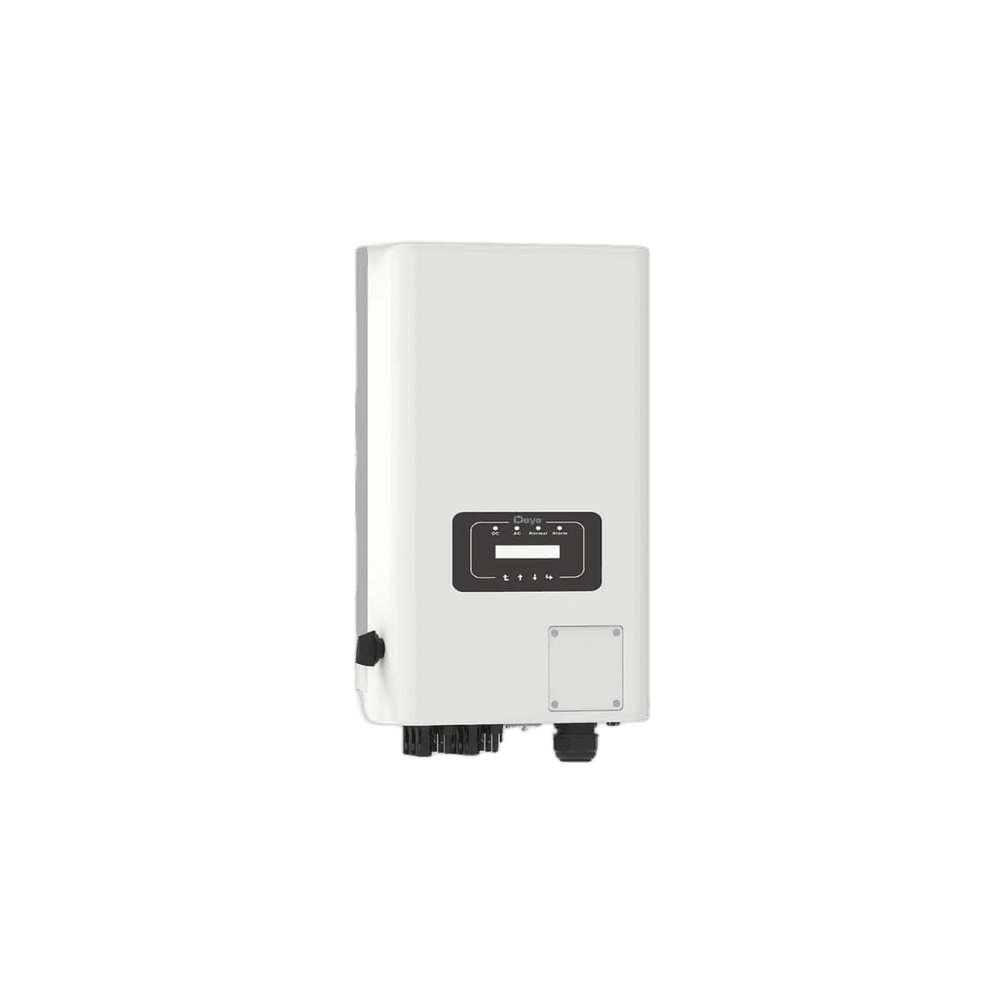
- Rated AC Output Active Power
- 30000 W
- Max. Efficiency
- 98.6 %
- Number of MPPTs
- 2
- Grid Connection Form
- 3L+N+PE
Price incl. VATAED 3,963
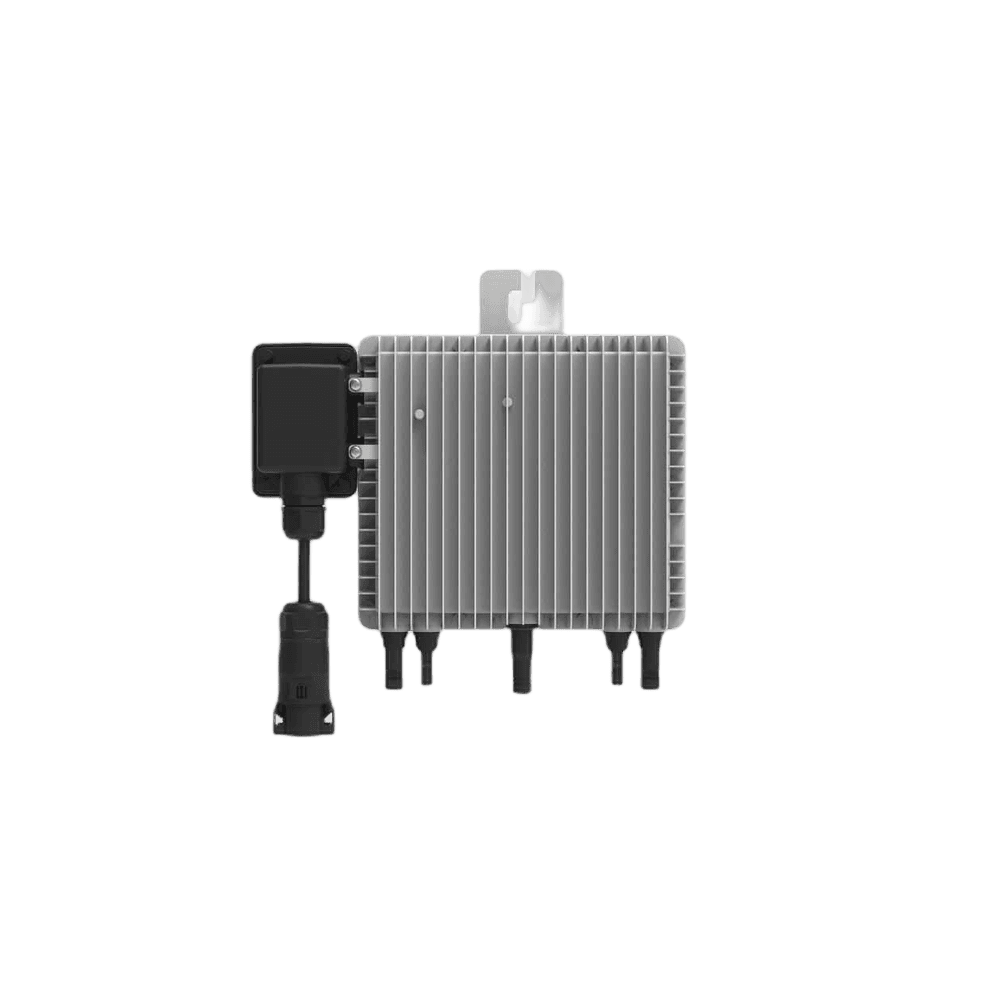
Deye 300 W Single-Phase Micro Solar Inverter SUN-M30G4-EU-Q0-I
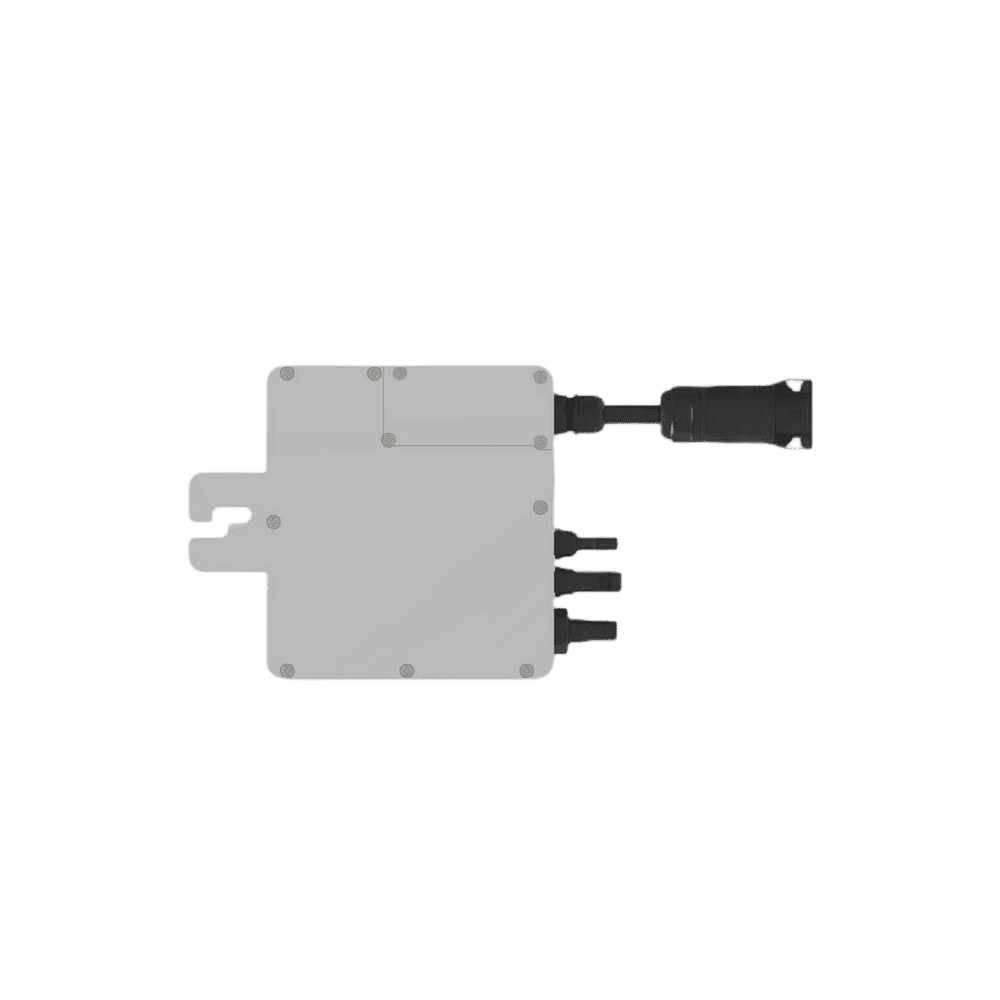
- Rated AC Output Active Power
- 300 W
- Max. Efficiency
- 96.5 %
- Number of MPPTs
- 1
- Grid Connection Form
- L+N+PE
Price incl. VATAED 279
Does dust ruin solar panels in Sharjah and Ajman?
No. Dust reduces the light reaching the cells while it is on the glass, and cleaning reverses it. There is no mechanism by which ordinary settled dust permanently damages a module. The equipment side of the question is answered outright by the records: 122 Deye inverter records are IP65 and the other 12 are IP67, which means every single unit in the range is dust-tight. Not dust-resistant, not well-sealed — dust-tight, which is what the digit 6 in that rating means. So an inverter on a Sharjah industrial rooftop is not going to fill with sand. The real cost of a dusty emirate is a soiled array producing less than a clean one, and the real design response is not a better enclosure — it is an array laid out so that a partly dirty roof does not drag the clean part down with it.
What an IP rating actually promises
An IP number is two digits and they are independent. The first is solids. The second is water. Reading them separately is what makes the rating useful.
| Digit | What it covers | Deye fleet |
|---|---|---|
| First digit 6 | Dust-tight — no ingress of dust at all | All 134 records |
| Second digit 5 | Protected against water jets from any direction | 122 records, IP65 |
| Second digit 7 | Protected against temporary immersion | 12 records, IP67 — the microinverters |
So the choice between IP65 and IP67 in this range is never a dust decision — both are already at the maximum for solids. It is a water decision, and it matters where a unit is exposed to driven rain, hose-down cleaning or a position that can pond.
What an IP rating does not promise
- Nothing about the panel glass. The rating describes the inverter's own enclosure and says nothing about how much light a soiled module passes.
- Nothing about the mounting hardware, the cable glands or the conduit. A dust-tight box on badly finished penetrations is still a badly finished installation.
- Nothing about how often the array needs washing. That is a site question — a roof beside a construction plot in Ajman is not the same roof as one in a settled residential street.
- Nothing about heat. Ingress and temperature are separate columns, and 113 of the 134 records state that output begins derating at 45 °C regardless of how well sealed the case is.
Where the output actually goes
Onto the glass, not into the box. A soiled module passes less light to its cells and produces less current. The size of that loss depends on the site, the season, the tilt and how long it has been since the array was last washed — which is exactly why we are not going to print a percentage here. We publish figures we can point at in a record; site-specific soiling loss is not one of them, and any number quoted without your roof in it is decoration.
What is worth understanding is the shape of the loss rather than its size. Dust rarely settles evenly. A parapet throws a shadow that traps grit along one edge; the row nearest a service road picks up more than the row behind it; a low-tilt array holds more than a steep one. So a real soiled roof is a mismatched roof — some modules producing well, others held back — and mismatch is a problem the inverter architecture can either contain or spread.
The two inverter features that turn dust into information
First, string monitoring. All 70 Deye string inverters list string monitoring as an option; it is not stated on the 49 hybrid records and is marked not applicable on the 12 microinverters. On a multi-string commercial roof in Sharjah, that option is the difference between noticing that one string has drifted below its neighbours and noticing nothing until the annual bill arrives.
Second, the number of MPPTs. Each MPPT tracks its own group of panels independently, so a soiled or shaded sub-array on its own tracker does not pull down the rest. Here is how the fleet is distributed:
| Family | Records | MPPT counts across the records |
|---|---|---|
| String (G) | 70 | 1 on 10, 2 on 42, 3 on 2, 4 on 8, 6 on 3, 8 on 5 |
| Hybrid (SG) | 49 | 1 on 2, 2 on 35, 3 on 6, 4 on 2, 6 on 4 |
| Microinverter (M) | 12 | 1 on 3, 2 on 3, 4 on 6 |
| Off-grid (OG) | 3 | 2 on all three |
For a small roof that dirties unevenly, microinverters take this to its limit: a SUN-M30G4-EU-Q0-I carries one MPPT for one module, so a dirty panel costs you that panel and nothing else. On a bigger array, a SUN-30K-G04 with two MPPTs, a SUN-100K-G03 with six, or one of the G01P3 units with eight, is what keeps one grubby section from setting the pace for the whole roof.
Cleaning the array safely
Washing panels means working around live DC, and the records list the relevant hardware. A DC switch is stated on 122 inverter records and marked not applicable on the 12 microinverters, which convert at the module and have no long DC string to isolate. Insulation impedance detection is stated on all 134 records. Arc-fault circuit interruption is listed as an option on 119 records and as fitted on 3.
- Isolate before you touch anything, using the DC switch the record says is there.
- Wash early in the morning while the glass is cool. Cold water on hot glass is a thermal shock you do not need.
- Use plain water and a soft brush. Abrasives and strong detergents damage the anti-reflective surface, which is a permanent loss where dust is a temporary one.
- Do not stand on modules. Frame-mounted access, or a pole brush from the walkway.
- If the array is high, on a fragile roof, or you are not sure of the isolation sequence, this is a job for the installer rather than a Friday afternoon.
Dust plus humidity: the coastal Ajman problem
Sharjah and Ajman are both close to the water, and overnight humidity is what turns loose dust into something that grips. Dew wets the film, it dries in the morning sun, and the deposit binds to the glass rather than blowing off with the next breeze. That is why an array on the coast can look worse after a still, humid week than after a windy dusty one.
On the equipment side the records are unambiguous: all 134 Deye inverter records state a permissible ambient humidity of 0 to 100 %, and the whole fleet is dust-tight. The humidity problem is a cleaning-interval problem for the glass, not a specification problem for the box.
Specifying for a dusty site
- Take the ingress rating as read. Every unit is dust-tight; you are choosing between IP65 and IP67 on water exposure alone.
- Prefer a naturally cooled unit where the sizing allows. 59 records state natural cooling — no fan is one less thing for grit to find.
- On any multi-string array, specify the string-monitoring option. It is available on all 70 string inverters and it is what tells you a section has gone dirty.
- Count MPPTs against the roof's real geometry, not its area. Two orientations, a parapet shadow and a dusty edge are three reasons to want separate trackers.
- On a small, awkward or unevenly soiled roof, price microinverters as an alternative. Per-module conversion contains the loss to the module that has it.
Where to get the local answers
We can give you the ingress rating, the MPPT count and the monitoring option for any unit in the range, because those are published in the technical record. We cannot tell you how often your particular roof needs washing, what a cleaning contract costs, or what your connection application will involve — those belong to people closer to the site than we are.
For connection in Sharjah that is SEWA and its enrolled contractors. In Ajman, the distribution authority named on your electricity bill is the right first call, and your enrolled contractor will know the route. Get their answer, then send it to us and we will specify the hardware against it.
To buy, open the catalogue, add the model to the cart and check out online.
Frequently Asked Questions
Does dust permanently damage solar panels in the UAE?
Do I need an IP67 inverter for a dusty site in Sharjah?
How does dust actually reduce solar output?
Which Deye inverter is best for an uneven or dusty roof?
Why does my array look dirtier after a humid week than a windy one?
Can I tell from the inverter that panels need cleaning?
- #Sharjah
- #Ajman
- #solar panel dust
- #IP65
- #IP67
- #string monitoring
- #MPPT
- #panel cleaning
Ready to order?
Every unit in the catalogue carries its price — add it to the cart and order online, then collect it from our store in Dubai or Riyadh.